Do Cribs Need Box Springs? (Solved)
Setting up your baby’s crib can feel surprisingly confusing when you’re trying to get every little detail right.
You might find yourself wondering if you’re missing something, like a box spring, since it’s such a standard part of adult beds.
It makes sense why people ask this. If you’re used to adult beds, a box spring feels like part of the “complete setup.” So when you switch to a crib, it’s natural to wonder if something’s missing.
In this post, I’ll explain if a crib needs box springs.
Do Cribs Need Box Springs?
No, cribs don’t need box springs. Cribs come with a built-in support system, usually a sturdy platform or slatted base that holds the mattress in place.
That base is specifically designed to give the right level of firmness and stability for a baby.
Adding a box spring on top of that doesn’t improve comfort or support. It just changes the height and fit of the mattress, which can create problems pretty quickly.
So if you’re setting up a crib and wondering if you forgot something important, you didn’t.
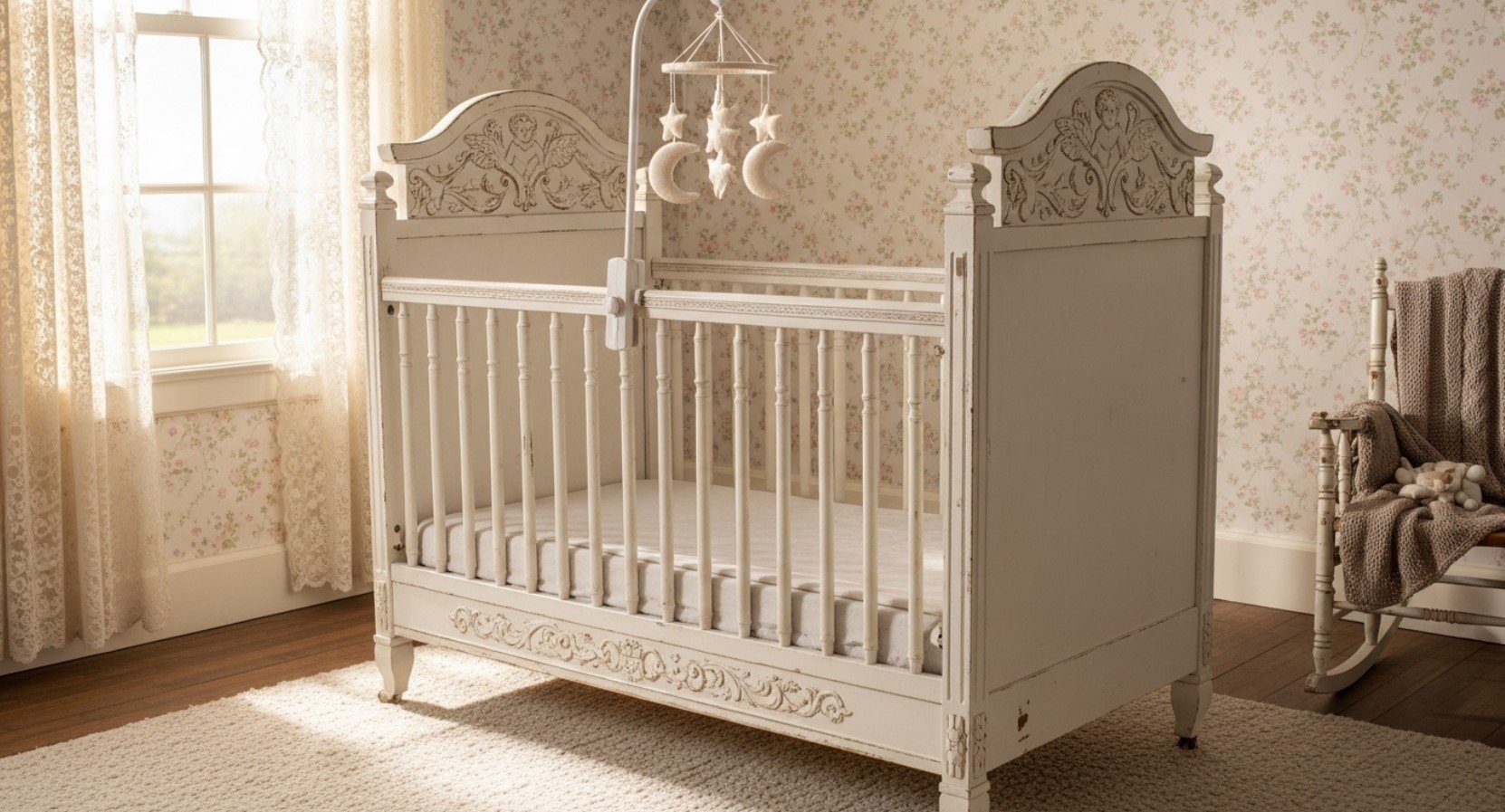
As long as you have the crib and a proper crib mattress, you’re already good to go.
Also Read: Diaper Rash From Luvs
Why You Shouldn’t Use A Box Spring In A Crib
Adding a box spring might seem harmless, but it can introduce a few real safety concerns:
Raises Mattress Too High
One of the biggest concerns is how much a box spring lifts the mattress. Even a few extra inches can make a real difference, especially as your baby grows and becomes more mobile.
At first, it might not seem like a big deal when your baby is mostly lying down.
But once they start rolling, pushing up, or pulling themselves to stand, that added height reduces the distance between them and the top rail of the crib.
Can Create Dangerous Gaps
Crib mattresses are designed to fit snugly inside the crib frame.
Once you add something underneath, like a box spring, the positioning can shift slightly.
Over time, this can create small gaps along the sides or corners.
And while they might seem minor, even a small space can be unsafe for a baby. Babies can wiggle into tight spots surprisingly easily, and once they’re in, it’s not always easy for them to move back out.
This is a big reason why Karen’s Nanny Agency doesn’t recommend it.
Interferes With Crib Safety Standards
Modern cribs are built and tested to meet specific safety standards.
That means no extra layers, no modifications, and no add-ons like box springs.
When you place something additional inside the crib, you’re essentially changing the setup that was originally tested for safety.
This can affect everything from mattress stability to how securely it stays in place. Even if the crib feels sturdy at a glance, it’s no longer functioning in the way it was designed to.
What You Actually Need For A Crib Setup
Here’s the good news: You really don’t need much at all.
In fact, the safest crib setups are the simplest ones. Here’s what you need:
A sturdy crib with its original mattress support base
A firm, properly fitting crib mattress
A fitted sheet made for that mattress
That’s it. No box springs, no extra padding, no fancy add-ons.
It might feel a little too minimal at first, especially if you’re used to cozy-looking beds with layers and cushions, but for babies, firm and flat is exactly what you want.
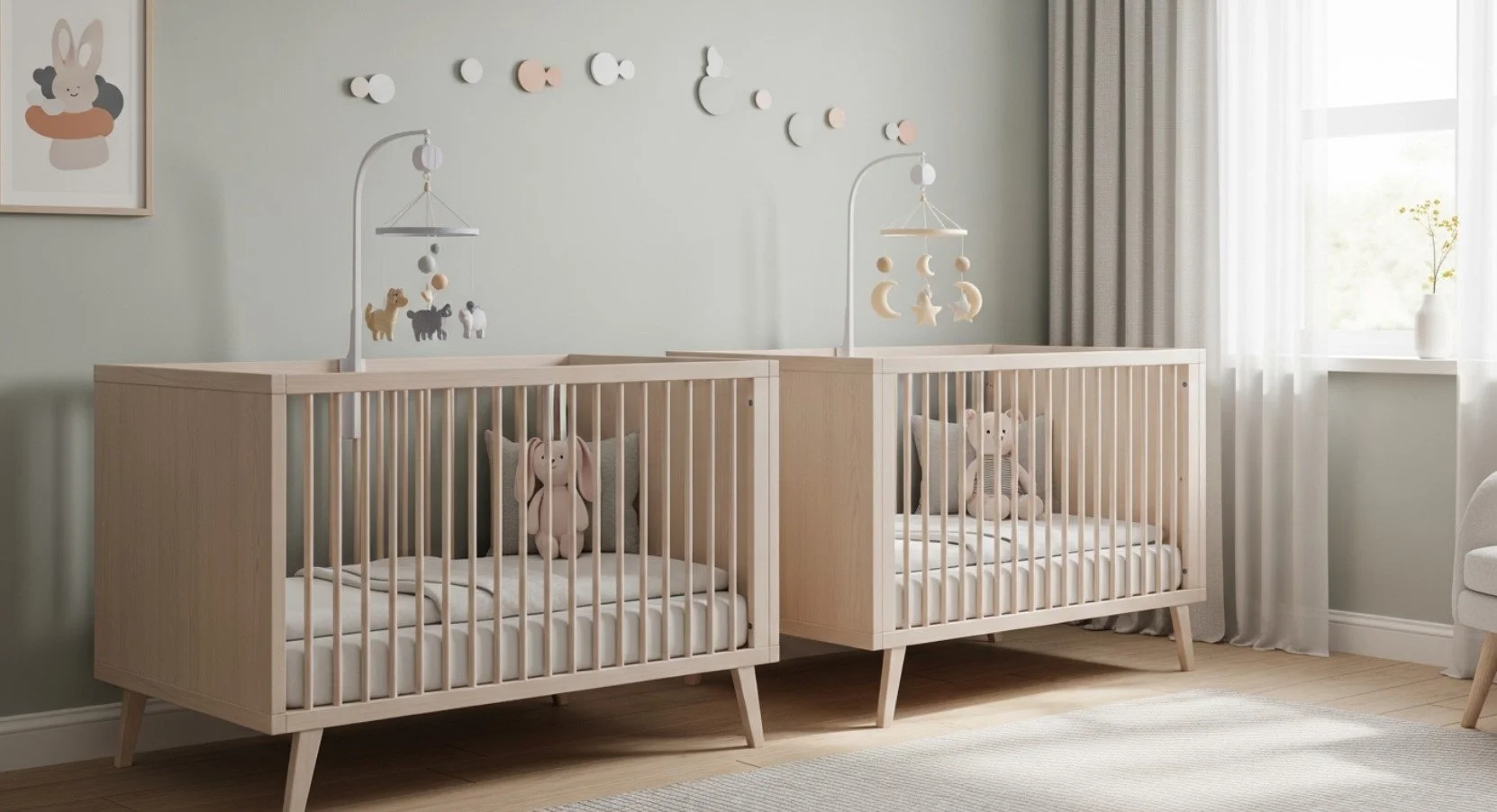
Keeping things simple also makes your life easier. Less adjusting, less worrying, and fewer things to clean or fix.
Also Read: Is It Safe To Put Snuggle Me In Bassinet?
Do Cribs Need Extra Support Boards?
In most cases, no, they don’t.
Cribs are already built with a support system that’s strong enough to hold a crib mattress and a growing baby without any additional help.
Sometimes parents consider adding a board if the mattress feels like it’s sagging or not sitting evenly. But that usually points to a different issue, like a worn-out mattress or a problem with the crib’s support base.
Adding a random board underneath isn’t really a fix - it’s more of a temporary patch that can create uneven surfaces or instability.
If something feels off, it’s better to check the crib assembly or consider replacing the mattress rather than adding extra pieces that weren’t part of the original design.
When To Adjust The Crib Mattress Height
One feature you’ll actually use a lot is the adjustable mattress height.
Most cribs let you move the mattress support up or down as your baby grows, and this is how you manage safety over time, not by adding a box spring.
When your baby is a newborn, the mattress is usually set higher so you can easily lift them in and out without straining your back.
It’s convenient, especially during those early days when you’re constantly picking them up.
As your baby becomes more active, you’ll lower the mattress step by step. Once they start rolling, sitting, or trying to pull themselves up, that’s your cue to bring the mattress down.
This keeps the crib walls high enough to prevent climbs or falls.
Also Read: How To Use Enfamil Checks Online
Bottom Line
Cribs don’t need box springs, and honestly, they’re better without them.
Everything about a crib is designed to work as-is, from the built-in support base to the firm mattress that sits on top.
Adding a box spring doesn’t make things more comfortable or more complete. It just introduces risks like increased height, poor fit, and interference with safety standards.
And when it comes to your baby’s sleep space, safety always comes first.
So keep it simple. A good crib, a firm mattress, and a fitted sheet - that’s the whole setup.