Dropped Phone On Baby’s Head (Is It Serious?)
If you’re here, chances are your heart dropped right along with your phone.
One second you’re scrolling, feeding, rocking, or answering a message, and the next second - thump. Cue instant panic, guilt, and about a thousand worst-case thoughts racing through your head.
First, take a breath. This happens way more often than parents admit. Phones slip. Hands get tired. Babies wiggle at the exact wrong moment. None of that makes you careless or a bad parent. It makes you human.
In most cases, it’s a short-lived scare. Still, a baby’s head is precious, and knowing what matters and what doesn’t can make a huge difference in how you handle the next few hours.
In this post, I’ll go over everything you need to know if you dropped the phone on your baby’s head.
How Serious Is Dropping The Phone On Baby’s Head?
The seriousness usually comes down to three things:
The phone’s weight
How far it fell
How your baby reacts afterward
A phone slipping from your hand while you’re sitting or lying down is very different from a phone falling from several feet up.
Phones are relatively light, especially compared to other things babies accidentally bump into as they learn to move. A short drop often causes nothing more than a quick cry and maybe a small red mark.
Babies also have slightly flexible skulls, which actually helps absorb minor impacts.
That said, babies’ heads are still delicate. Their neck muscles are weak, and their brains are still developing.
So while most phone drops don’t cause serious injury, they do deserve attention and monitoring.
Also Read: How Do People Afford Daycare
What To Do Immediately After It Happens
Your reaction sets the tone right after dropping the phone on your baby’s head. Staying as calm as you can helps you assess things clearly and helps your baby settle faster too.
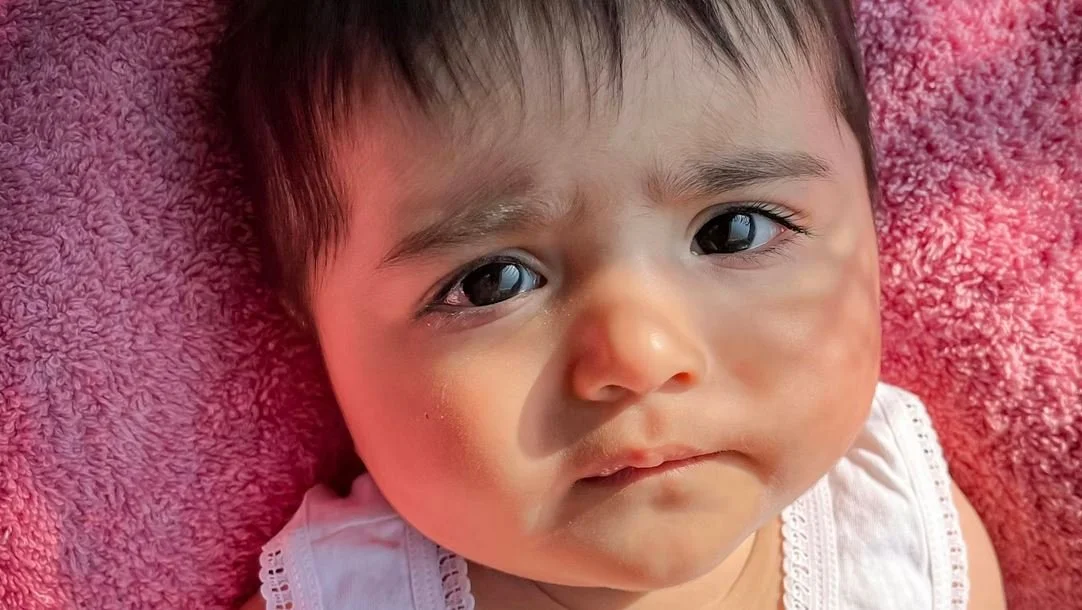
Here’s what to do right away:
Pick your baby up and comfort them. Crying immediately is actually a reassuring sign.
Check the head gently for redness, swelling, or a tender spot.
Use a cold compress wrapped in a cloth for about 5 to 10 minutes if there’s a bump.
Keep your baby close and watch their behavior for a bit.
Avoid pressing hard on the head or poking around too much. A gentle look and light touch are enough.
If the crying settles within a few minutes and your baby goes back to acting like themselves, that’s a very good sign.
Signs Your Baby Is Likely Okay
Most parents are shocked by how quickly babies recover from minor bumps.
One minute they’re screaming, the next they’re trying to eat or smiling like nothing happened.
Signs things are probably fine include normal behavior returning fairly quickly. Your baby might be a little clingy for a bit, but they should still move their arms and legs normally, feed like usual, and respond to you the way they always do.
Another reassuring sign is crying right away after the impact.
Silence right after a hit is more concerning than loud protest. A small bump that doesn’t grow and fades over time is also very common and usually harmless.
Trust what you know about your baby. You notice patterns and moods better than anyone else. If something feels off, even subtly, that instinct matters.
Also Read: What Is The Average Cost Of Daycare
Warning Signs That Need Medical Attention
This is the part no parent loves reading, but it’s important. Some symptoms mean you should call a doctor or go get checked sooner rather than later.
Watch closely for:
Vomiting more than once
Extreme sleepiness or trouble waking up
High-pitched, inconsolable crying
Trouble feeding or refusing to eat
Seizure activity or unusual movements
A soft spot that looks bulging
A bump that keeps getting bigger or feels very firm
Any sudden behavior change that doesn’t improve over time deserves attention. It doesn’t automatically mean something terrible happened, but it does mean a professional should take a look.
Special Considerations Based On Age
Age plays a big role in how cautious you need to be.
Newborns and very young infants need extra care because their neck strength and skull development are still very early.
Babies under three months old should be evaluated more quickly after any head impact, even if they seem okay. Doctors tend to be more cautious with this age group, and that’s a good thing.
Older infants who can hold their heads up and move more independently usually tolerate minor bumps better.
Also Read: What To Pack For Daycare
Toddlers, especially, bump their heads constantly as they learn to walk. A dropped phone on a toddler’s head often ends up being more upsetting for the adult than the child.
Still, age doesn’t cancel out warning signs.
Any baby at any age showing concerning symptoms should be checked.
Can My Baby Sleep After A Head Bump?
This is one of the biggest worries parents have.
The short answer is yes, sleep is okay. In fact, sleep is normal and expected, especially if the incident happened close to nap time or bedtime.
What matters is how your baby sleeps and wakes. You don’t need to keep them awake for hours. Instead, check in periodically. Make sure they can be roused, respond to your voice or touch, and move normally when they wake.
If your baby is impossible to wake or seems unusually floppy or unresponsive, that’s when you seek help right away.
Letting them rest while keeping a watchful eye is usually the best balance.
When To Call The Pediatrician Or Go To The ER
If your baby is very young, the phone fell from a height, or any warning signs show up, don’t wait for it. Call your pediatrician, an urgent care, or head to the emergency room.
Doctors may ask how old your baby is, how the phone fell, what symptoms you’ve noticed, and how your baby has been acting since.
Most of the time, evaluation involves observation and a physical exam rather than scans or invasive tests.
You never need permission to seek care. If your gut says something isn’t right, listening to that instinct is part of good parenting.
Bottom Line
Dropping a phone on your baby’s head is terrifying in the moment, but in most cases, it’s not serious. Short falls usually cause nothing more than a brief cry and a lot of parental guilt.
Monitoring your baby closely, knowing what signs matter, and trusting your instincts go a long way.
Accidents happen, even to the most careful parents. What defines you isn’t the mistake, it’s how you respond.
Comfort your baby, watch them closely, and get help if anything feels off. Most of the time, this turns into nothing more than a story you’ll tell later with a laugh and a wince.
And next time, you’ll probably grip that phone a little tighter.