Toddler Ate ChapStick (What To Do)
You turn around for two seconds, and somehow your toddler has found a tube of ChapStick and taken a bite out of it. It's one of those parenting moments that can make your heart skip a beat.
The good news is that this situation is usually not an emergency.
Most of the time, eating a small amount of ChapStick causes little to no problems.
Still, it's helpful to know what ingredients are inside it, what symptoms to watch for, and when it's time to call for help.
In this post, I’ll go over what to do if your toddler ate ChapStick.
Is ChapStick Dangerous For Toddlers?
In most cases, no. A small amount of ChapStick is generally considered low risk for toddlers.
Most lip balms are made with ingredients like waxes, oils, and moisturizers that aren't highly toxic. If your child licked some off their lips or chewed a small piece, they will probably be just fine.
That said, there are exceptions.
Some lip balms contain ingredients like camphor, menthol, or certain essential oils. Eating a large amount of products containing these ingredients can lead to more serious symptoms.
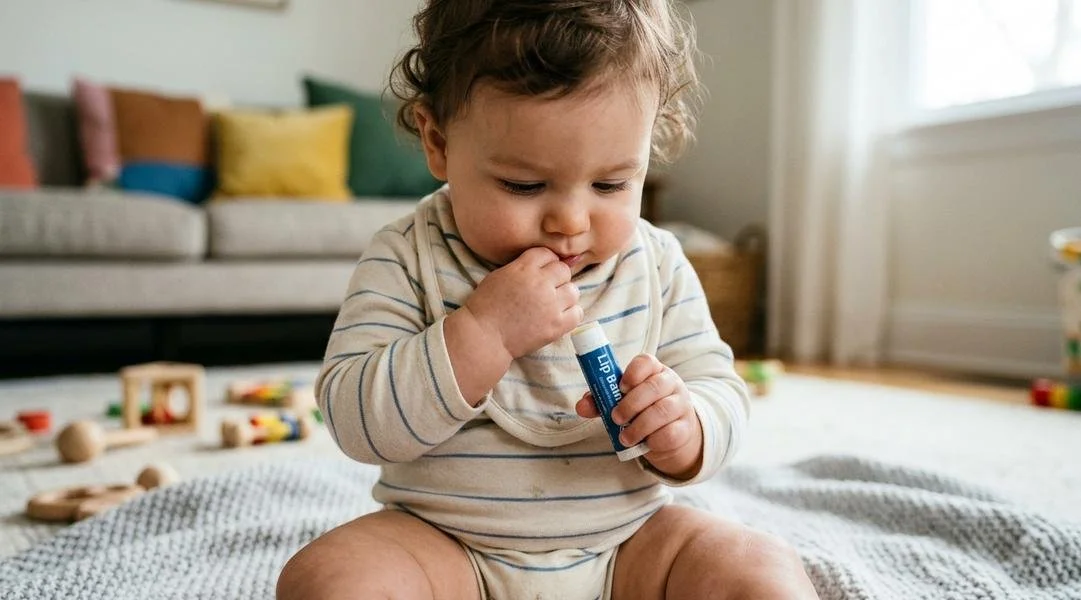
The amount your child ate matters too.
A tiny nibble is very different from swallowing an entire tube. Even then, many children still end up with nothing more than an upset stomach.
Also Read: Does Nutramigen Cause Constipation?
As scary as it feels in the moment, try to stay calm. Panicking won't help, and your toddler is likely watching your reaction closely.
What's Inside ChapStick?
ChapStick and other lip balms usually contain ingredients designed to protect and moisturize the lips. These ingredients aren't considered highly poisonous in small amounts.
Common ingredients include:
Petroleum jelly
Beeswax or synthetic waxes
Mineral oil and moisturizing oils
Flavorings and fragrances
Menthol or camphor in certain formulas
Some lip balms also contain sunscreen ingredients, vitamins, or plant extracts.
While these ingredients can sound concerning, the small amounts found in lip balm rarely cause serious problems after a minor taste or accidental bite.
The biggest issue often isn't toxicity. It's that some ingredients can irritate the stomach if enough is swallowed.
Also Read: Nutramigen Alternatives
What Happens If A Toddler Eats ChapStick?
Many toddlers who eat ChapStick don't have any symptoms at all. You may end up watching your child closely for a few hours only to discover they're completely fine.
When symptoms do happen, they're usually mild. Since lip balm is oily and waxy, it can sometimes upset the digestive system.
Possible symptoms include:
Mild stomach pain
Nausea
Loose stools
Diarrhea
Minor irritation around the mouth
Sometimes, children simply dislike the taste and spit it out right away. In those situations, very little has actually been swallowed.
If your child ate a large amount or consumed a lip balm with ingredients like camphor, you may notice more significant symptoms. These can include repeated vomiting, unusual sleepiness, trouble breathing, or changes in behavior.
Those situations deserve medical attention right away.
Fortunately, severe reactions are uncommon.
What To Do If Toddler Ate Chapstick
The first thing to do is take a deep breath.
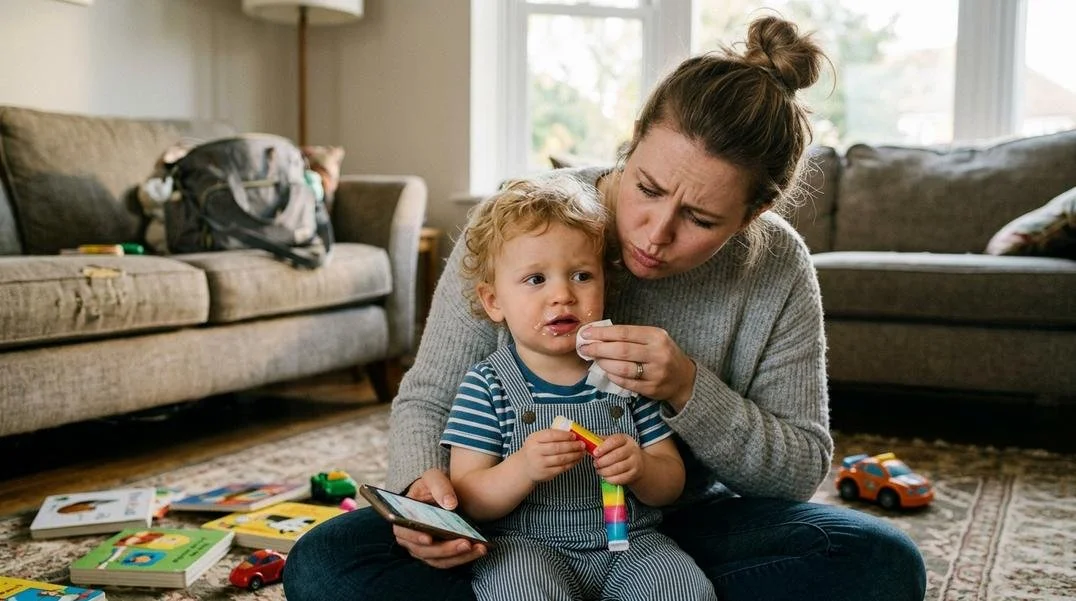
A toddler eating ChapStick can look alarming, especially if the tube has teeth marks all over it, but most situations can be handled calmly at home.
Start by removing any remaining lip balm from your child's hands and mouth.
If they still have a chunk in their mouth, gently take it away.
Next, offer a few sips of water. This can help wash away any residue and make your child more comfortable.
Also Read: Butt Paste Vs Desitin
Then, monitor your child over the next several hours. Pay attention to their energy level, behavior, and any signs of stomach upset.
It's also helpful to look at the product label. Check for ingredients like camphor or menthol, and estimate how much was eaten. Did they take one bite? Did they chew the entire tube?
Having this information makes it easier if you need to contact a doctor or poison control center.
Most toddlers go right back to playing as if nothing happened.
When Should You Call Poison Control Or A Doctor?
Although small amounts of ChapStick usually aren't dangerous, there are situations where getting professional advice is the smart move.
Call poison control or your doctor if:
Your child ate an entire tube or several tubes
The lip balm contains camphor or other concerning ingredients
Your child develops repeated vomiting
Your child seems extremely sleepy or difficult to wake
You notice trouble breathing, seizures, or unusual behavior
You should also reach out if you're simply unsure how much was eaten. Parents don't always witness the whole event, and that's okay. Poison experts deal with these situations every day and can help you decide on the next steps.
Trust your instincts too. If your child seems genuinely unwell, it's always reasonable to seek medical advice.
How To Prevent It From Happening Again
Preventing another ChapStick incident mostly comes down to storage.
Lip balms are small, colorful, and often smell delicious. To a toddler, they can look like little pieces of candy.
Keep lip balm in places your child can't reach.
That means checking purses, bedside tables, backpacks, and coat pockets. Many parents forget about these spots because lip balm tends to travel around the house.
As your child gets older, start teaching them that lip products aren't food.
Toddlers may not remember every time, but simple reminders can help over time.
You can also make a habit of putting lip balm away immediately after using it.
Bottom Line
If your toddler ate a little ChapStick, try not to panic. Most small amounts cause few or no symptoms and don't lead to serious problems. Offering some water and keeping an eye on your child is often all that's needed.
Pay attention to how much was eaten and check the ingredients on the label.
If your child swallowed a large amount, develops concerning symptoms, or you simply need reassurance, contact poison control or your doctor.
In many cases, this ends up being one of those parenting stories you laugh about later, right alongside all the other surprising things toddlers manage to put in their mouths.