8 Month Old Refusing Bottle But Eating Solids (Here's Why)
If your 8-month-old is happily chowing down on solids but suddenly acting like the bottle is the worst thing ever invented, you’re not alone.
This is one of those phases that catches a lot of parents off guard. One week everything’s fine, and the next, they’re pushing the bottle away like they’ve moved on to bigger and better things.
It can feel stressful, especially since you know milk is still a big deal at this age.
But in most cases, this shift is tied to normal development, not something going wrong.
In this post, I’ll explain why your 8 month old is refusing the bottle but eating solids, when it could be a problem, and what you can do about it.
#1 More Interested In Solids
Around 8 months, babies get genuinely excited about food.
It’s hands-on, messy, and way more engaging than a bottle. They can grab, squish, and explore, which makes mealtime feel like playtime.
So when you offer a bottle after they’ve had that experience, it can feel underwhelming in comparison. It’s not that they suddenly don’t need milk - it just doesn’t hold their attention the same way anymore.
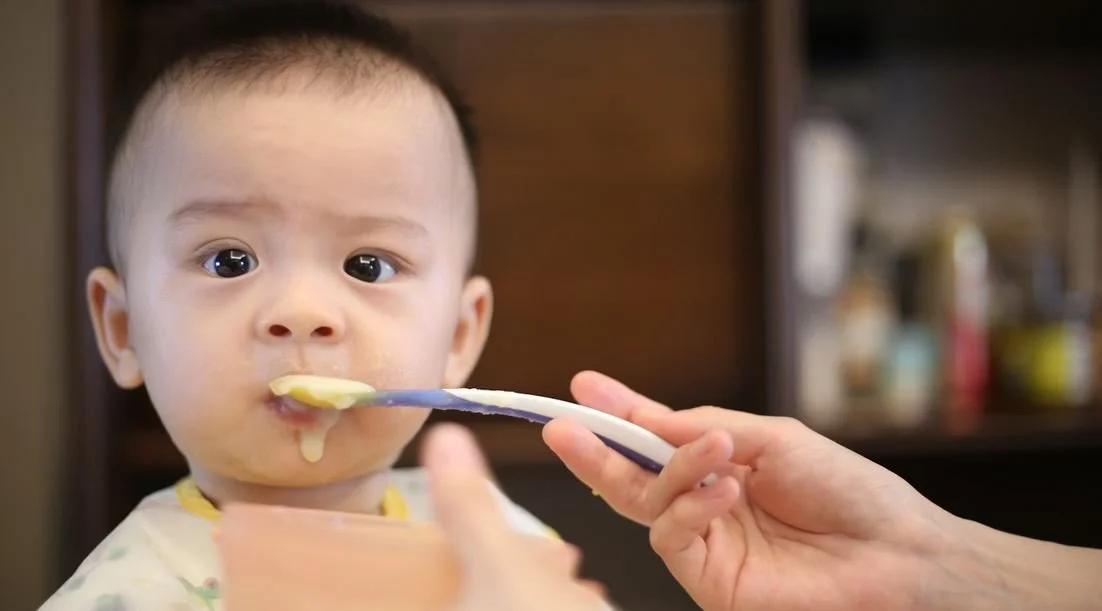
This shift is really about curiosity and development, not rejection of milk itself.
Also Read: Can You Give Colostrum To Older Babies?
#2 Not Hungry Enough
Another reason your 8 month old is refusing the bottle is because they are not hungry.
If solids are offered first, or if portions are getting a bit bigger, your baby might already feel full by the time the bottle shows up.
Even a small amount of food can take the edge off their hunger, especially at this age.
The tricky part is that it can look like bottle refusal, when in reality they’re just not hungry enough to care.
That’s why timing matters so much here. Milk still needs to come first most of the time, since it’s doing the bulk of the nutritional work right now.
#3 They’re More Distracted Now
At 8 months, your baby is basically in full-on discovery mode. Every little thing is worth checking out, and sitting still to drink milk just isn’t high on their priority list.
You might notice them pulling away, turning their head, trying to sit up, or getting frustrated during feeds.
It’s not about disliking the bottle, they don’t want to miss what’s happening around them.
Even small distractions can be enough to throw them off, which is why feeding suddenly feels harder than it did a couple of months ago.
#4 Teething Discomfort
Teething can quietly mess with feeding in a big way.
When gums are sore, the sucking motion from a bottle can feel uncomfortable, even if your baby still seems okay eating certain solids.
Also Read: 3 Week Old Eating 4 Oz
Some babies actually prefer food they can control themselves, especially if it puts less pressure on their gums.
If you’re seeing extra drooling, chewing on toys (or everything in sight), and a bit more fussiness, teething could definitely be part of the picture.
#5 Bottle Preference Issues
Sometimes, the problem really does come down to the bottle itself.
Babies can be surprisingly particular about things like nipple flow, shape, or even the temperature of the milk.
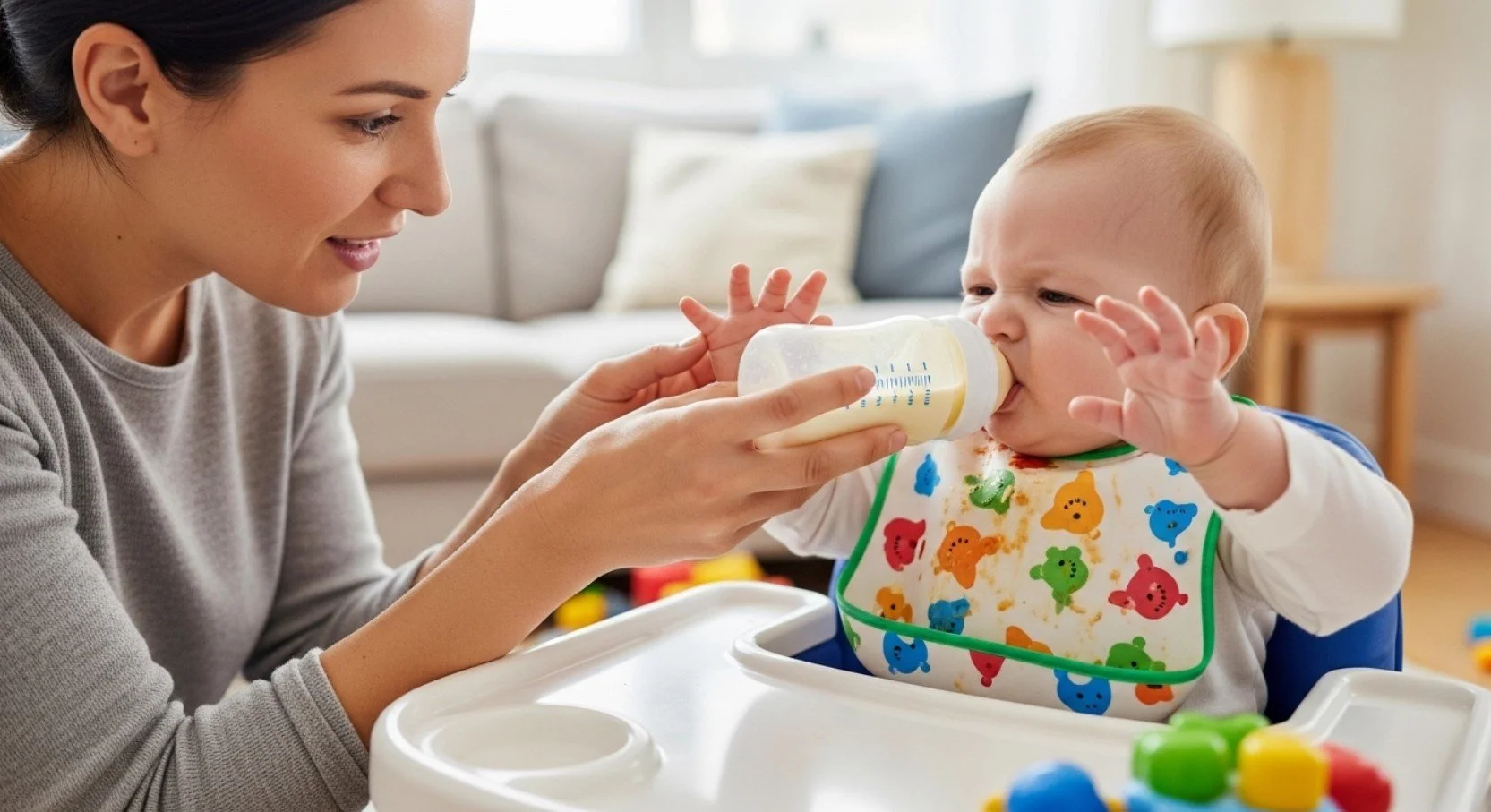
A flow that’s too slow can frustrate them, while one that’s too fast can feel overwhelming.
There’s also the human factor. Some babies will refuse a bottle from one person and take it just fine from someone else.
And occasionally, they just decide they’re done with that specific bottle altogether, no clear reason why.
Should You Be Concerned?
In most cases, this is a phase. Annoying, yes. Stressful, definitely. But still normal.
That said, there are a few things you’ll want to keep an eye on. If any of these pop up, it’s worth paying closer attention or checking in with your pediatrician:
Noticeably fewer wet diapers (think less than 4–5 a day)
Very low milk intake across the whole day
Low energy, unusual fussiness, or lethargy
Slowed or stalled weight gain
If your baby is still getting a decent amount of milk overall, staying hydrated, and acting like their usual self, you’re probably dealing with a temporary shift rather than a real problem.
What To Do If 8 Month Old Refusing Bottle But Eating Solids
If your baby is pushing the bottle away, you can try to make it easier and more appealing in low-pressure ways.
Start by offering milk before solids so they’re actually hungry when the bottle comes out, and try feeding during calmer moments, like right after waking up, when they’re naturally more relaxed.
A quieter environment can help too, since fewer distractions make it easier for them to focus on feeding.
If things still aren’t clicking, it’s worth experimenting a little. A different nipple flow, a new bottle, or even a slight change in milk temperature can sometimes make a surprising difference.
You can also have another caregiver (like Karen’s Nanny Agency) try feeding, since babies often respond differently depending on who’s holding the bottle.
Above all, keep the vibe relaxed.
If they refuse, don’t push it - just take a break and try again later. This phase usually passes, and staying patient goes a long way in helping your baby ease back into it.
Can You Use A Cup Instead Of A Bottle?
Yes, you can start introducing a cup around this age.
Some babies who refuse bottles will happily drink from a straw cup or even a sippy cup. It feels different, and sometimes that’s enough to get them interested again.
Just keep expectations realistic. At 8 months, they’re still learning, so it won’t replace bottles overnight. Think of it more as practice that can help bridge the gap if bottles are a struggle.
You can offer small amounts of breast milk or formula in a cup during the day and see how they respond.
Some take to it quickly, others need more time.
Bottom Line
An 8-month-old refusing the bottle while loving solids is normal development. They’re growing, exploring, and starting to show preferences, even if those preferences make feeding a little more complicated for you.
You need to keep milk intake up while letting them explore solids at a healthy pace.
A few small adjustments like offering milk first and cutting down distractions, can go a long way.
Most importantly, try not to turn it into a battle. These phases tend to pass, even if they feel long in the moment. Stay flexible, keep offering the bottle, and give your baby a little time to figure it out.