Can You Give Colostrum To Older Babies? (Solved)
Colostrum has a bit of a legendary reputation in the baby world, and for good reason.
Often called “liquid gold,” this thick, nutrient-packed first milk is one of the most powerful things a newborn can receive in the first days of life.
It’s loaded with antibodies, immune-boosting compounds, and essential nutrients.
But can you give it to older babies? Or is it not necessary?
In this post, I’ll explain if you should give colostrum to older babies, the situations where it might come up, and when it’s simply not necessary anymore.
When Do Babies Normally Receive Colostrum?
Colostrum is the very first form of breast milk produced after a baby is born.
During pregnancy, the body starts preparing for milk production, and by the time delivery happens, colostrum is already present in small amounts.
For the first few days after birth, this is the main food source for the newborn.
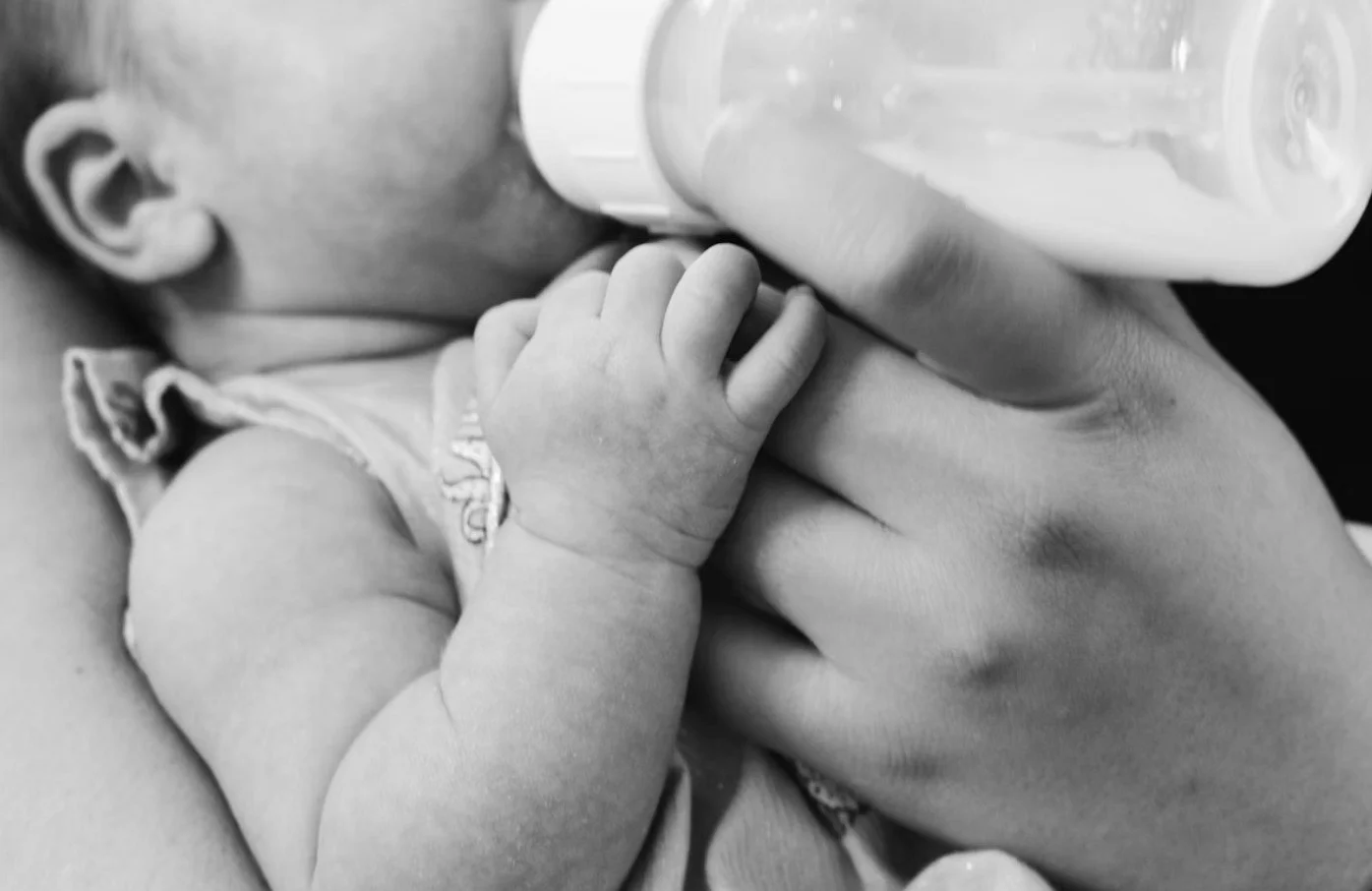
The amount may seem tiny (sometimes just teaspoons at a time) but that small volume is exactly what a newborn stomach can handle.
After those early days, your milk naturally changes. It becomes what people call “mature milk,” which has more volume and slightly different nutritional balance to match your baby’s growing needs.
At that point, colostrum isn’t being produced anymore in typical breastfeeding situations.
Also Read: 3 Week Old Eating 4 Oz
Can You Give Colostrum To Older Babies?
Yes, you can give colostrum to older babies, but it’s not common, and it’s usually not necessary.
An older baby won’t be getting fresh colostrum directly from breastfeeding since your body only makes it right after birth.
That said, there are a few ways an older baby might still receive it, like if it was pumped and frozen early on or sourced from a donor.
Colostrum isn’t harmful to older babies. If anything, it still carries nutrients and immune benefits.
It’s just that by the time your baby is a few months old, they’re already getting what they need from regular breast milk or formula.
So while it’s okay to give it, it’s more of an “extra” than something essential at that stage.
Situations Where Older Babies Might Receive Colostrum
There are a few specific scenarios where colostrum might be used later on. It’s not part of everyday feeding, but it does happen.
Here’s how:
Stored frozen colostrum from the early postpartum days that wasn’t used right away
Donor milk from another mom who recently gave birth
Medical or feeding situations where a healthcare provider suggests using it
Sometimes parents freeze small amounts in those early days and forget about it, then come across it later and wonder if it’s still usable.
In many cases, if it’s been stored properly, it can still be given.
Other times, donor milk banks may provide colostrum for babies who need extra immune support, though that’s more common in newborn care.
Potential Benefits For Older Babies
Even though colostrum is designed for newborns, it doesn’t suddenly lose all its value after a few weeks. It still contains some pretty helpful components.
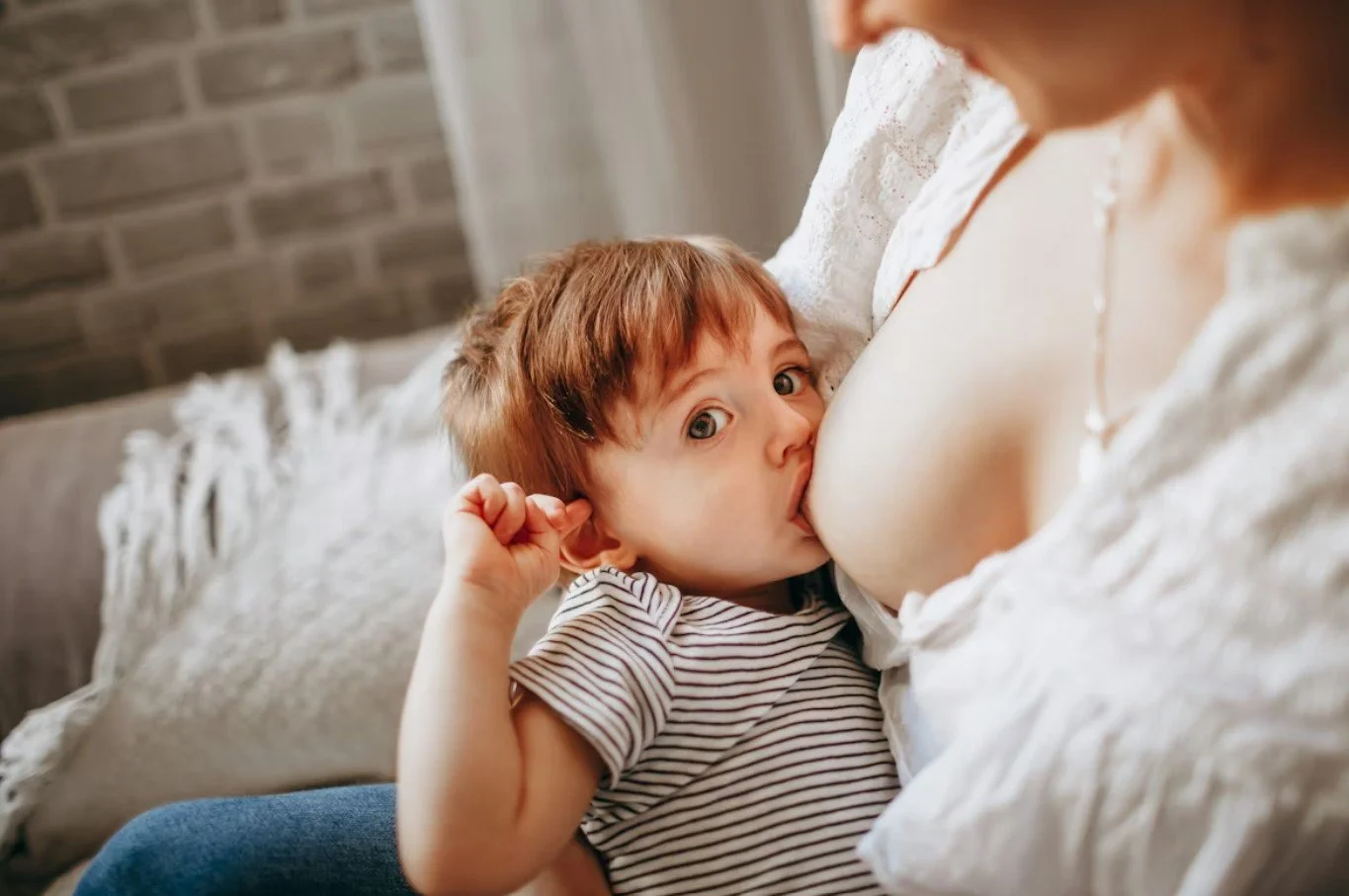
They’ll see benefits like:
Supports the immune system with antibodies and protective proteins
Helps maintain gut health and digestion
Provides a concentrated source of nutrients
May offer extra support when a baby is unwell
That said, these benefits are more like a bonus at this stage.
Older babies already have a more developed immune system compared to newborns, and regular feeding is usually enough to support their growth and health.
Also Read: Nestig Vs Babyletto
Are There Any Risks Or Concerns?
For the most part, colostrum is safe, but there are a few things to keep in mind so you don’t run into avoidable issues.
First, storage matters. If you’re using frozen colostrum, it needs to have been stored properly the whole time. That means consistent freezing, no repeated thawing and refreezing, and staying within recommended storage timelines.
Second, source matters.
If the colostrum is coming from a donor, it should be from a trusted, screened source. This helps reduce any risk of contamination or infection.
Third, be cautious with animal-based colostrum supplements.
These are usually made from cows and marketed for immune support. They’re not the same as human colostrum, and they’re not typically recommended for babies without a doctor’s input.
If anything feels uncertain, a quick check-in with a pediatrician is always a good idea, especially if your baby has health concerns or a sensitive digestive system.
When Colostrum Is Not Needed
In most everyday situations, older babies simply don’t need colostrum.
Once mature milk production begins, that milk provides complete nutrition for a growing baby.
Breast milk changes composition over time to match a baby’s development. It contains the right balance of fats, proteins, carbohydrates, and immune factors. Formula also provides balanced nutrition for babies who are not breastfed.
Also Read: 18 Month Old Can Count To 10
A healthy baby who feeds well, gains weight steadily, and shows normal development already receives everything required for growth.
Parents sometimes feel pressure to find “extra” nutritional boosts, especially after reading about superfoods or immune-boosting ingredients online.
In reality, everyday feeding routines already do the job.
Colostrum is amazing during the newborn stage. After that stage passes, the body naturally produces milk designed for the months ahead.
Bottom Line
You can give colostrum to older babies, and it still has some benefits. But it’s mainly meant for those first few days of life, and older babies usually don’t need it.
Think of it as a helpful extra, not a must-have.
If you happen to have stored colostrum and want to use it, that’s totally fine.
If you don’t, there’s no reason to go out of your way to find it. Your baby is already getting what they need through their regular feeding routine.
If you’re ever unsure, especially in a medical situation, it’s always smart to get a quick opinion from your pediatrician.
Otherwise, you can keep things simple and stick with what’s already working.