Can I Use Regular Dish Soap For Baby Bottles?
If you’ve ever been standing at the sink late at night, half awake, realizing you’re out of baby bottle soap… yeah, you’re not alone.
It’s one of those small parenting moments that somehow feels like a big decision.
You glance at your regular dish soap and think, “Can I just use this?”
The good news is that you aren’t going to ruin everything if you reach for the regular stuff in a pinch. However, there are a few things you might want to keep in mind.
In this post, I’ll explain if you can use regular dish soap for baby bottles.
Is It Safe To Use Regular Dish Soap For Baby Bottles?
Yes, you can use regular dish soap to clean baby bottles.
Regular dish soap is designed to cut through grease and food residue, which is exactly what you need when dealing with milk, formula, or that stubborn film bottles can get.
So from a basic cleaning standpoint, it absolutely does the job.
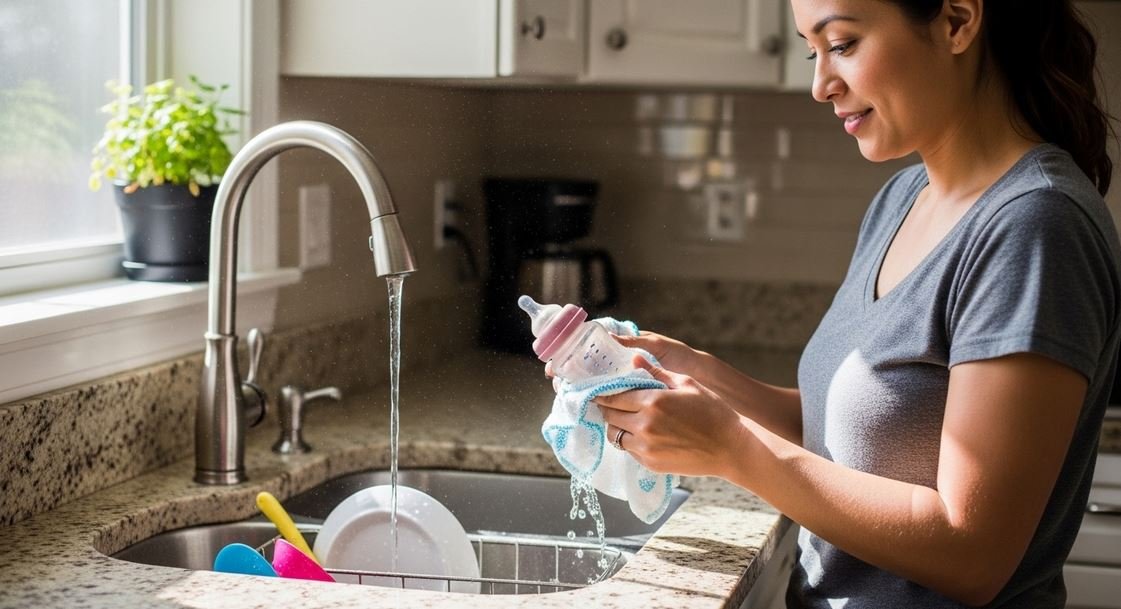
But some dish soaps are packed with strong fragrances or extra additives that aren’t ideal for something your baby drinks from multiple times a day. That doesn’t automatically make them dangerous, but it does mean you want to be a bit more mindful.
So just use a small amount and rinse really well.
If you’re careful with that part, regular dish soap can work just fine for many families.
Also Read: Black Stuff In Formula
What Makes Baby Bottle Soap Different?
So if regular dish soap can work, why do baby bottle soaps even exist?
It mostly comes down to being extra gentle and low-fuss. Baby-specific cleansers are designed with feeding gear in mind, so they try to remove anything that could potentially linger on bottles.
Here’s what typically sets them apart:
Usually fragrance-free or very lightly scented
Made to rinse off quickly and cleanly
Formulated without dyes or harsher additives
Baby bottle soap is built to remove a few extra worries from the equation.
A lot of parents like that peace of mind, especially in the early months when everything feels a little more sensitive and new.
If you think about it, it’s less about strict rules and more about comfort level. Some people stick with regular dish soap from day one, while others prefer something made specifically for babies.
Cons Of Using Regular Dish Soap
Using regular dish soap isn’t a terrible idea, but there are a few downsides worth knowing:
Strong Scents
Most of us love the smell of a fresh, citrusy kitchen, but babies are incredibly sensitive to smells.
Regular dish soaps are often packed with heavy fragrances that can linger on plastic and silicone. If you’ve ever drank water out of a plastic cup that tasted like lemon soap, you know how annoying that is.
For a baby, that scent can be overwhelming and might even make them reject the bottle because the milk tastes "off."
Also Read: Baby Pushing Bottle Away But Still Hungry
Residue Left Behind
Standard dish soap is made to create a ton of bubbles. While suds make us feel like things are getting clean, they can be a nightmare to rinse off completely.
Plastic bottles are porous, and silicone nipples are even worse; they tend to hang onto those soapy molecules.
If you aren't careful, a thin film of soap can stay on the bottle.
This doesn't just taste bad - it can be a literal slip-up for your baby's digestion.
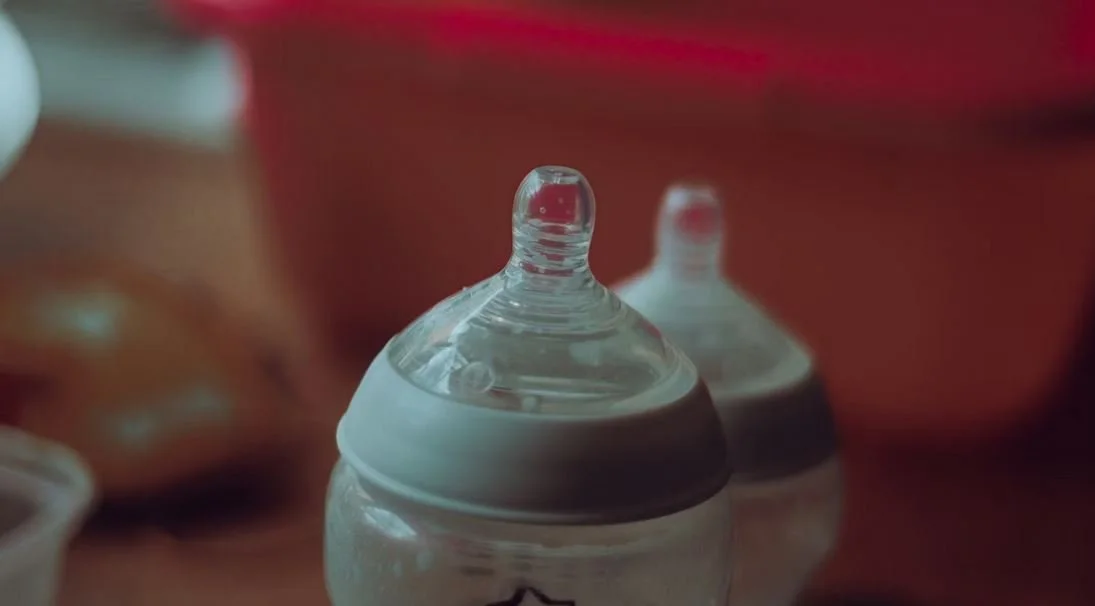
Ingredients That Might Irritate Sensitive Babies
Many big-brand dish soaps contain sulfates like SLS (Sodium Lauryl Sulfate), which are great for bubbles but can be irritating.
If your little one has extra sensitive skin or is prone to things like reflux, these extra chemicals might just be an unnecessary addition to their environment.
It’s one of those things where you’d rather play it safe than sorry, especially in those first few months.
How To Use Regular Dish Soap For Baby Bottles
If you decide to stick with regular dish soap, you don’t need to overcomplicate things. These few simple habits can make it perfectly fine for cleaning bottles:
Choose a mild, fragrance-free dish soap
Use a small amount - more isn’t better here
Rinse thoroughly with warm water
Let bottles air dry instead of towel drying
That rinsing step is the most important part. Seriously, it makes all the difference.
Take a few extra seconds to run warm water through every part of the bottle, including nipples and caps, until there’s no slippery feeling left at all.
Air drying also helps keep things clean without adding lint or bacteria from towels.
Just place everything on a clean drying rack and let it do its thing.
If you ever hired Karen's Nanny Agency, our nannies will take care of all this!
When You Might Want To Switch To Baby Bottle Soap
Even though regular dish soap can work, there are times when switching to a baby-specific option just makes more sense.
The newborn stage is a big one.
During those early weeks, many parents prefer to keep things as gentle and simple as possible.
You might also consider switching if your baby seems extra sensitive.
If you notice fussiness during feeds, unusual reactions, or even just a strong smell lingering on bottles, it could be worth trying a different soap to see if it helps.
Another situation is when bottles start to feel slightly filmy or don’t seem as clean as they should. That can sometimes happen with certain dish soaps, and switching to a baby bottle cleanser can fix it pretty quickly.
At the end of the day, this isn’t an all-or-nothing choice. You can switch back and forth as needed, depending on what’s working best for you and your baby.
Bottom Line
You can use regular dish soap for baby bottles. Many parents do without any issues.
The main thing to focus on is keeping bottles truly clean and making sure no soap is left behind.
A mild formula and a thorough rinse go a long way, and in most cases, that’s enough to keep things safe and simple.
If you want something a bit more tailored for baby gear, bottle-specific soaps are a nice option. They take away some of the guesswork and can feel a little easier, especially in the early days.
Either way, you’re not making a huge mistake by grabbing the regular dish soap.
As long as you’re paying attention to how you clean and rinse, you’re doing just fine.