Can You Have Two Godmothers? (Solved)
If you’ve ever been part of a baptism or naming ceremony, you’ve probably noticed there’s usually one godmother and one godfather.
That’s kind of the “default” setup people expect.
But families today aren’t always that simple, and relationships definitely aren’t either, so it’s totally normal to start wondering… can you have two godmothers instead?
The short answer is yes, you can - but it depends on the situation.
In this post, I’ll explain if you can have two god mothers, when it’s not allowed. Plus, I’ll go over some alternatives as well.
Can You Have Two Godmothers?
Yes, you can have two godmothers in many cases. There’s no universal rule that applies everywhere, which is why you’ll hear different answers depending on who you ask.
In more relaxed or modern settings, having two godmothers is completely fine.
You’re basically choosing two important women in your child’s life to support and guide them, and there’s nothing wrong with that at all.
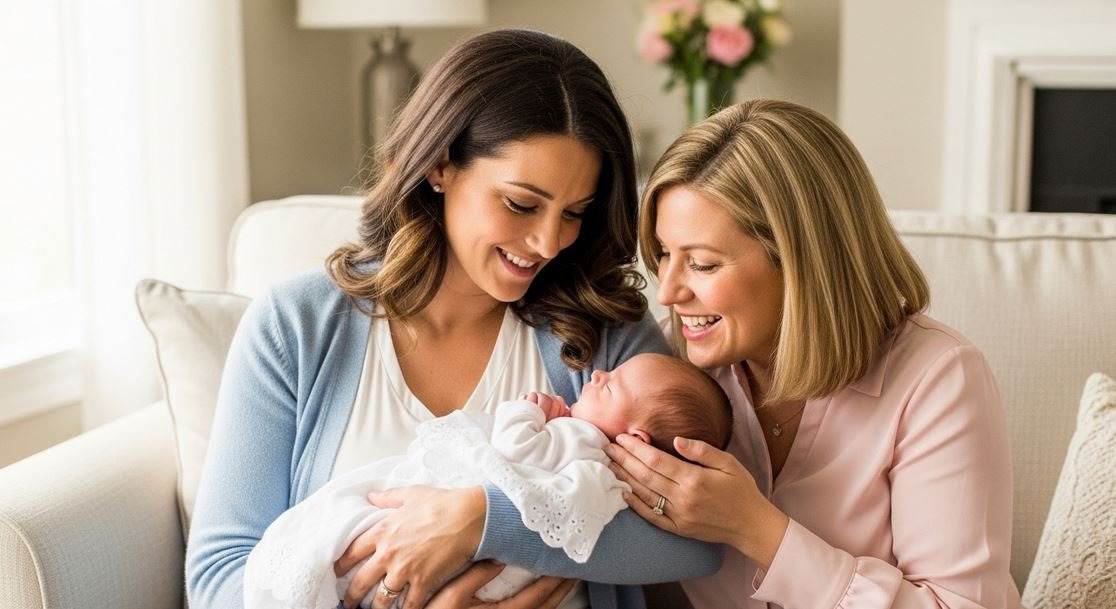
In fact, it can feel even more meaningful if both people play a big role in your life already.
That said, if the ceremony is tied to a specific church, things might not be as flexible. Some churches follow traditional structures quite closely, so they may expect one godmother and one godfather.
Also Read: What Age Is Chuck E. Cheese Good For?
Others are a bit more open and might allow two godmothers, especially if there’s a good reason behind it.
Church Rules And Religious Guidelines
Different Christian denominations have their own guidelines when it comes to godparents. Some are quite traditional, while others are more flexible.
Here’s a quick look at how it usually works:
Catholic churches often prefer one male and one female sponsor, though sometimes additional “witnesses” or honorary godparents are included
Anglican and many Protestant churches tend to be more flexible and may allow two godmothers
Orthodox traditions are usually stricter and often stick to one godparent or one of each
The main thing to remember is that churches see godparents as having a spiritual role, not just a symbolic one.
That’s why they may have rules in place about who qualifies and how many you can have.
If you’re planning a baptism, the best thing you can do is simply ask your church ahead of time. It saves you from last-minute stress and gives you a clear answer based on your exact situation.
Non-Religious Ceremonies
Now, if you’re not going the religious route, things get way more open and, a lot more relaxed.
In non-religious naming ceremonies or family celebrations, there are no official rules about how many godparents you can have or what their titles should be.
You can choose two godmothers, three, or even create your own roles entirely.
Some people even skip the “godparent” title and go for something like mentors or guardians instead.
Also Read: Dented Formula Can
The focus here is more about meaning. It’s about choosing people who will be there for your child, support them as they grow, and be a steady presence in their life.
So if your heart is set on having two godmothers in this kind of setting, you’re completely free to do that.
Modern Practices
Things have definitely shifted over time. What used to be very structured is now a lot more flexible, mainly because families and relationships look different today.
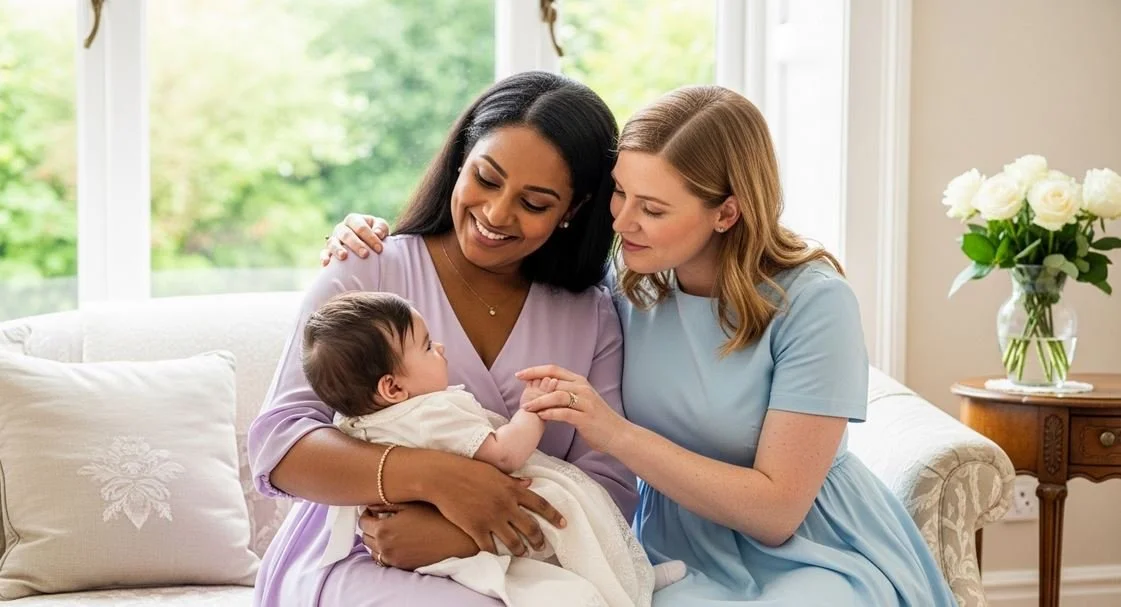
It’s becoming more common to see multiple godparents, same-gender godparents, or even groups of close friends sharing that role.
People are focusing less on “what’s traditional” and more on “what feels right for us,” which honestly makes a lot of sense.
You might see situations where someone has two godmothers and one godfather, or a mix of official and unofficial roles. Some families also quietly include extra godparents without making it formal in the ceremony, just to keep everyone involved.
There’s no one-size-fits-all anymore, and that’s actually what makes it special.
Why Do Parents Choose Two Godmothers?
There are so many reasons someone might want two godmothers, and most of them come from a really genuine place.
Sometimes, it’s as simple as having two women who are equally important in your life. Maybe it’s your sister and your best friend, or your mom and your partner’s mom.
Choosing between them can feel impossible, so including both just feels right.
Other times, it’s about building a stronger support system for your child.
Having two godmothers means more love, more guidance, and more people looking out for them as they grow up.
Here are a few common reasons people go this route:
Two close relationships that feel equally important
Blended families where multiple figures play a motherly role
Wanting a wider support circle for the child
Personal or emotional reasons tied to family dynamics
At the end of the day, it’s less about tradition and more about connection.
Also Read: 4 Month Old Eats Every 2 Hours
Things To Consider Before Choosing
Before you make the final call, it’s worth thinking through a few practical things to avoid awkward situations later.
First, check if there are any rules you need to follow, especially if a church is involved. It’s better to know early than to have to change plans at the last minute.
Then think about the role itself. Are both godmothers going to have the same responsibilities, or is one more symbolic?
It doesn’t have to be super formal, but having a general idea helps avoid confusion.
Also, choosing godparents can sometimes hurt feelings if someone expected to be chosen but wasn’t. If you’re adding a second godmother, it can actually help ease that tension but it’s still something to keep in mind.
Alternatives If Two Godmothers Aren’t Allowed
If you run into a situation where two godmothers aren’t officially allowed, don’t worry you still have options.
Here’s what Karen’s Nanny Agency recommends:
Choose one official godmother and name the other as an honorary godmother
Include the second person in a special way during the ceremony
Recognize both privately, even if only one is listed officially
A lot of families do this, especially in more traditional church settings. That way, you respect the rules but still include the people who matter most to you.
And honestly, titles aside, what really counts is the relationship your child builds with those people over time.
Bottom Line
You can have two godmothers in many cases, and it’s becoming more common.
The only time it might be limited is if you’re working within specific religious guidelines, and even then, there are usually ways to include both people in some form.
The most important thing is choosing people who genuinely care about your child and will be there as they grow.
Titles and rules matter to an extent, but they don’t define the bond.
If having two godmothers feels right to you, it’s definitely something you can make work - you just might need to adjust the approach depending on the setting.