Dented Formula Can (Is It Safe?)
Finding a dented formula can is one of those small things that can instantly make you pause, especially when it’s something your baby is going to consume.
You might be standing there wondering if it’s no big deal or if you should toss it immediately.
The truth is, dents happen more often than you’d expect during shipping, stocking, or even just getting it home, but not all of them are harmless.
Some are purely cosmetic, while others can affect what’s inside.
In this post, I’ll go over what you should do with a dented formula can.
Is A Dented Formula Can Safe?
A denoted formula is generally not safe, but it really depends on how bad the dent is and, more importantly, where it’s located.
Baby formula cans are designed to be airtight. That seal is what keeps moisture, air, and bacteria out. Once that seal is compromised (even slightly) you can’t always tell just by looking at it.
And since babies have sensitive immune systems, even a small risk isn’t something to brush off.
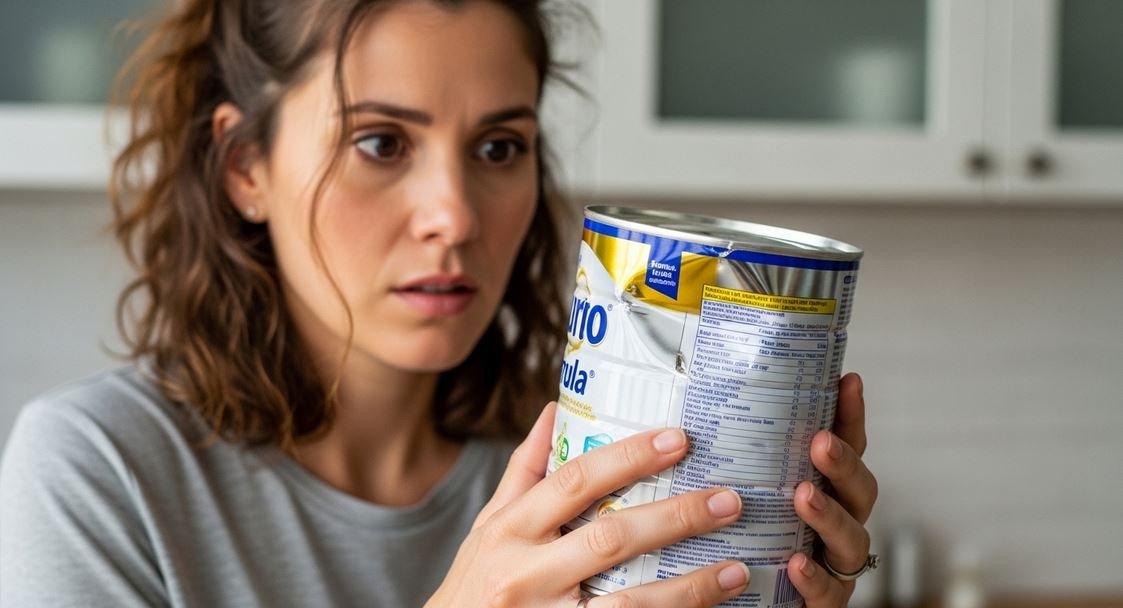
If the dent hasn’t affected the structure or the seal of the can, it’s usually fine. But if there’s any chance the seal has been weakened, it’s just not worth the gamble.
Also Read: 3 Week Old Eating 4 Oz
When It’s Usually Safe to Use
There are definitely situations where a dented can is still okay to use, and you don’t have to panic right away. Here are a few signs that the can is likely still safe:
The dent is small and shallow
It’s on the side of the can, not near the edges
The lid is perfectly intact and sealed
There’s no leakage, swelling, or weird smell
In these cases, the dent is more of a cosmetic issue than a safety concern.
It might not look perfect, but the contents inside are still protected. Still, give it a quick check before using it - just to be sure everything looks normal.
When You Should NOT Use It
This is where you want to be a bit more cautious. Some dents can actually affect the safety of the formula, even if the damage doesn’t look dramatic at first glance.
Here’s when Karen’s Nanny Agency recommends not using it:
#1 Deep Dents
If the dent is deep enough to change the shape of the can noticeably, that’s a red flag.
When the metal gets pushed in quite a bit, it can stretch or weaken, which sometimes leads to tiny cracks or stress points that you can’t see with the naked eye.
Those weak spots can make it easier for air or bacteria to sneak in over time.
Even if the can feels sealed and nothing is leaking, there’s no reliable way to confirm that the protective barrier inside is still fully intact.
#2 Dents On The Top, Bottom, Or Seams
These areas are critical because they’re where the can is sealed.
So when a dent shows up here, it’s not something to brush off. Even a dent that looks small can slightly shift or weaken the seal, and that’s not always something you can detect just by looking.
The tricky part is that the can might still appear perfectly closed, but the airtight protection could already be compromised.
Since baby formula relies heavily on that seal to stay safe and uncontaminated, dents in these spots are treated much more seriously than dents on the side.
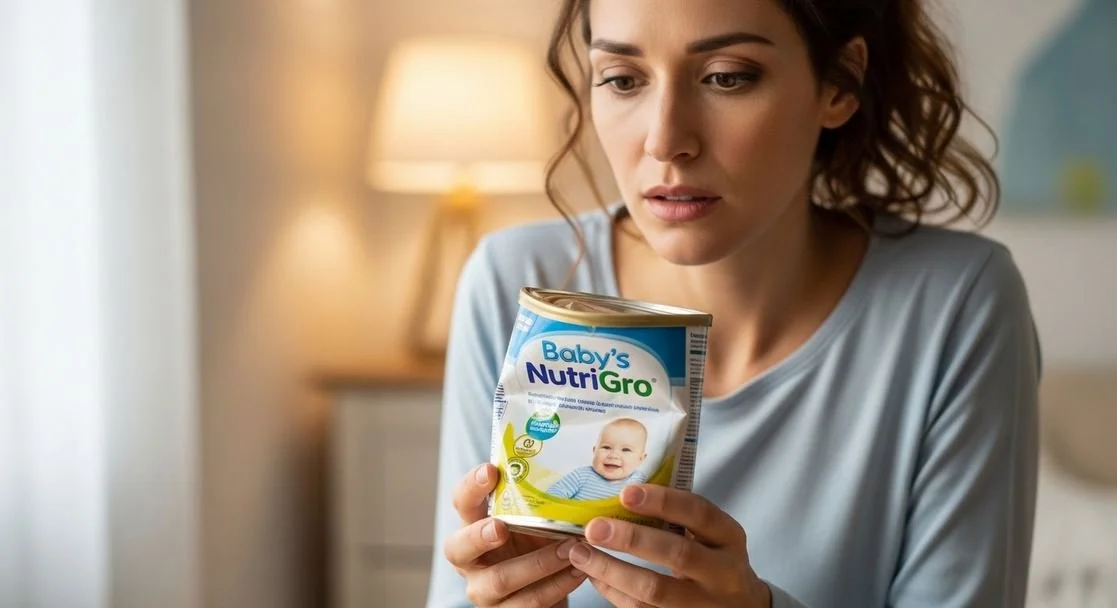
#3 Bulging, Leaking, Or Rusted Cans
This is an immediate no.
Bulging could mean gas buildup from contamination and leaks obviously expose the formula - if anything is coming out, then outside air and contaminants can definitely get in.
And rust, while it might seem like a minor issue at first, can slowly eat away at the metal, weakening the can and making it easier for it to break down or lose its seal.
Sometimes rust can also affect the inside lining, which adds another layer of concern.
Any of these signs point to possible spoilage.
Also Read: 4 Month Old Eats Every 2 Hours
#4 Loose Or Compromised Lids
If the lid doesn’t feel tightly sealed or pops open too easily, that’s a clear sign something’s off.
The whole point of the can is to keep the formula sealed and sterile, so a loose lid defeats that completely. Sometimes this happens because of impact, especially if the can has been dropped or dented near the top.
The issue here is that once the seal is broken, even just a little, the formula is exposed to air and moisture, which can affect both safety and quality.
You might not notice any changes right away, but the protection it’s supposed to have is no longer guaranteed
What Are The Risks Of Using Dented Formula Cans?
The biggest concern here is contamination.
Once the seal of a can is affected, bacteria can find their way inside.
One of the most serious risks people talk about is botulism, which is rare but extremely dangerous - especially for babies.
Even beyond that, exposure to air and moisture can degrade the formula itself. That means it might not just be unsafe, but also less nutritious than it should be.
And here’s the thing: babies don’t have fully developed immune systems yet. Something that might not affect an adult at all could be a much bigger deal for them. That’s why even a small doubt tends to lean toward caution.
What Should You Do If You Bought A Dented Can?
First, don’t feel bad, this happens all the time. Cans can get dented during shipping, stocking, or even while you’re putting groceries away.
If you notice the dent before opening it, your best move is to return or exchange it.
Most stores are pretty understanding about this, especially when it comes to baby products.
If returning isn’t an option, you can also contact the manufacturer since they often have customer support for situations like this.
If the dent looks minor and falls into the “safe” category, you can use your judgment.
But if you hesitate even for a second, it’s probably better to skip it.
Also Read: 8 Month Old Refusing Bottle But Eating Solids
Bottom Line
A dented baby formula can isn’t always dangerous, but it’s also not something to ignore blindly.
Small dents on the sides are usually fine, while deeper dents or damage near the seams, lid, or base are better avoided.
At the end of the day, it comes down to one simple rule: if you’re unsure, don’t use it.
It’s a small decision that can make a big difference, and when it comes to your baby’s safety, playing it safe is always the better choice.