Can You Put A Car Seat In A Single Cab Truck?
If you drive a single cab truck and have a little one in your life, you’ll have this question sooner or later.
You look at that front seat and think… “Okay, so where exactly is the car seat supposed to go?” Unlike regular cars or double-cab trucks, single cabs don’t give you many options.
The short answer is yes, it can be done in some situations.
But it’s not always simple, and it’s definitely not always the safest setup.
There are rules, safety factors, and a few things you absolutely need to think about before putting a child seat in that front passenger spot.
In this post, we’ll explain if you can put a car seat in a single cab truck.
Can You Put A Car Seat In A Single Cab Truck?
Yes, you can put a car seat in a single cab truck, but it comes with some pretty big caveats, and in a lot of cases it’s actually not recommended.
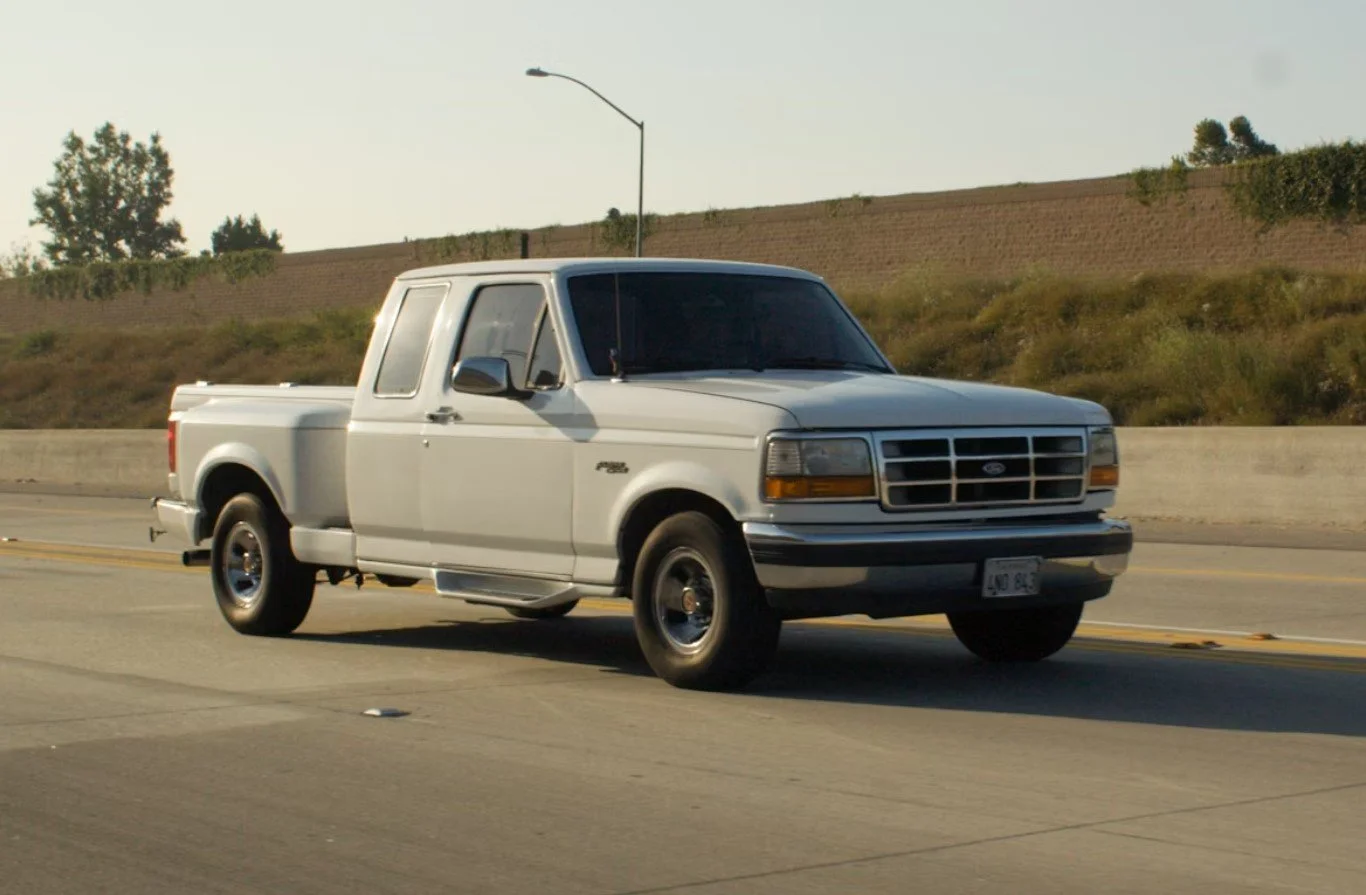
In most single cab trucks, there’s only a front seat and no back seat at all.
That means any car seat would have to go in the front passenger seat, which is where things get complicated.
If the truck has an active passenger airbag, that’s a hard no for rear-facing car seats. Airbags deploy with serious force and can cause severe injury or worse to a baby or young child.
That’s why rear-facing seats are only considered safe in the front seat if the airbag can be completely turned off, not just “sometimes” or “automatically”.
For forward-facing car seats, some manufacturers and laws allow them in a front seat only if:
the seat is properly installed using approved anchors or seat belts
the child meets the minimum age and weight requirements
the seat is pushed as far back as possible
the airbag situation meets local safety regulations
Even then, it’s still not the safest option compared to a back seat in a larger vehicle.
Also Read: I Have Court But No Babysitter
Airbags Are The Biggest Safety Concern
Airbags are amazing for adults. They save lives every day. But for babies and small children, they can be extremely dangerous.
Here’s why: when an airbag deploys, it does so at incredible speed and force. That force is designed to protect an adult body sitting upright. A child in a car seat, especially a rear-facing one, sits much closer to the dashboard.
If an airbag goes off in that situation, it can cause serious injury in a split second.
That’s why this issue gets so much attention from safety experts.
In general, here’s how airbags affect your decision:
A rear-facing seat should never be placed in front of an active airbag
Some trucks allow you to manually disable the passenger airbag
If the airbag cannot be turned off, the setup may not be safe at all
Always check the vehicle manual before installing anything
This single factor often determines if putting a car seat in a single cab truck is workable or not.
Rear-Facing Vs Forward-Facing Car Seats
Rear-facing seats are designed for babies and younger toddlers. They offer the best protection for tiny necks and spines during a crash.
In normal vehicles, they’re considered the gold standard for safety.
But in a single cab truck, they create a tricky situation because they place the child extremely close to the dashboard.
That’s why rear-facing seats in the front passenger area are usually discouraged unless the airbag is fully disabled. Even then, many safety experts still consider it less than ideal.
Forward-facing seats, on the other hand, are often more workable. The child sits upright, facing forward, with more distance from the dashboard.
Also Read: Toddler Ate Tums
This setup reduces some of the risks tied to airbag deployment.
Still, forward-facing doesn’t mean risk-free. Proper installation and the child’s age are critical factors.
Can You Install The Car Seat Properly?
A car seat is only safe if it’s installed correctly, and single cab trucks don’t always make that easy.
Some older trucks lack modern anchor systems. Others have seat shapes that don’t support a tight, stable fit. And if a seat moves too much, it can’t protect a child properly during a collision.
Before installing, check a few key things:
Look at the seatbelt design, see if anchor points exist, and make sure the car seat sits flat and secure. If it wiggles more than an inch side-to-side, it’s not properly installed.
This is one area where taking extra time really pays off. A perfectly installed seat can make a huge difference.
Age And Size Of The Child Matters
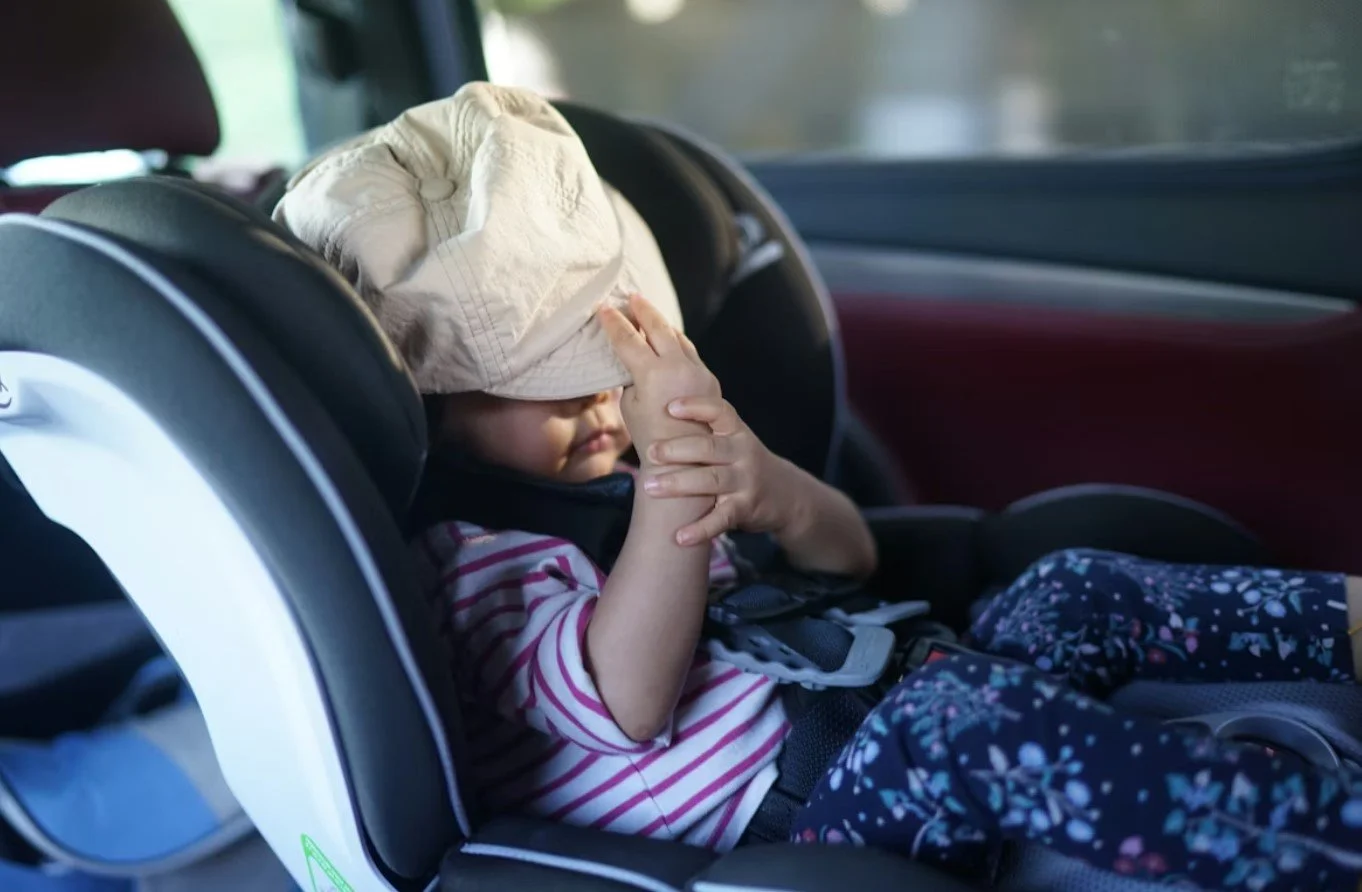
One of the biggest factors in this whole conversation is the child’s age. What works for a school-aged kid might be completely unsafe for an infant.
Babies and very small toddlers are the most vulnerable.
They need rear-facing seats, which, as you already know, don’t mix well with front airbags.
Because of this, many experts strongly advise against transporting infants in single cab trucks unless absolutely necessary.
Older children in forward-facing seats or booster seats tend to have more flexibility. They sit farther back, and their bodies can handle impact forces better than newborns.
Also Read: Great Nicknames For Marilyn
Alternatives If You Drive a Single Cab Truck
If a single cab truck is your main vehicle, you’re not stuck without options. Plenty of parents deal with this situation and find ways to make things safer and more manageable.
Some practical alternatives include:
Using another family car for trips with young children
Carpooling with a partner or relative who has a back seat vehicle
Renting a suitable vehicle for longer trips
Waiting until a child is old enough for forward-facing seating
Sometimes even small adjustments, like planning errands differently, can make a big difference in safety.
What Safety Experts Recommend
Ask any child safety professional, and you’ll hear the same general advice: the back seat is always safest. That’s not a debate - it’s a well-established fact backed by years of research.
Since single cab trucks don’t offer that option, experts usually frame them as a “last resort” vehicle for transporting young children.
Their recommendations usually include:
Use a different vehicle if one is available
Disable passenger airbags if possible
Install the seat exactly according to manufacturer instructions
Avoid transporting infants in single cab trucks when possible
Bottom Line
In many cases you can put a car seat in a single cab truck. But it’s not as simple as just placing it in the front seat and hitting the road.
Airbags are the biggest concern, followed closely by the child’s age, seat direction, and installation quality.
For older kids in properly installed forward-facing seats, it can be manageable under the right conditions. For infants and rear-facing seats, the risks increase significantly.
At the end of the day, safety experts agree on one thing: single cab trucks are not ideal for transporting young children regularly. If another option exists, it’s usually the better choice.
Still, life isn’t always perfect, and sometimes you work with what you have.