Is Dreft Bad For Babies? (Solved)
If you’ve spent even five minutes looking into baby laundry detergents, you’ve probably seen Dreft pop up everywhere.
It’s one of those products that almost feels like a parenting tradition at this point.
But then you start reading online forums, mom groups, TikTok comments, and suddenly things get confusing fast. One parent swears by it, another says it caused a rash, and now you’re standing in the laundry aisle Googling ingredients while holding tiny baby socks.
The truth is a lot less dramatic than the internet makes it seem.
In this post, we’ll break down if Dreft is bad for babies, why some parents avoid it, and what pediatricians usually recommend.
Is Dreft Safe For Babies?
For many babies, yes, Dreft is completely fine.
Plenty of families use it daily without any irritation or problems at all. It’s specifically marketed for baby clothes and designed to be gentler than some regular detergents.
That said, “safe” doesn’t always mean “best for every baby.”
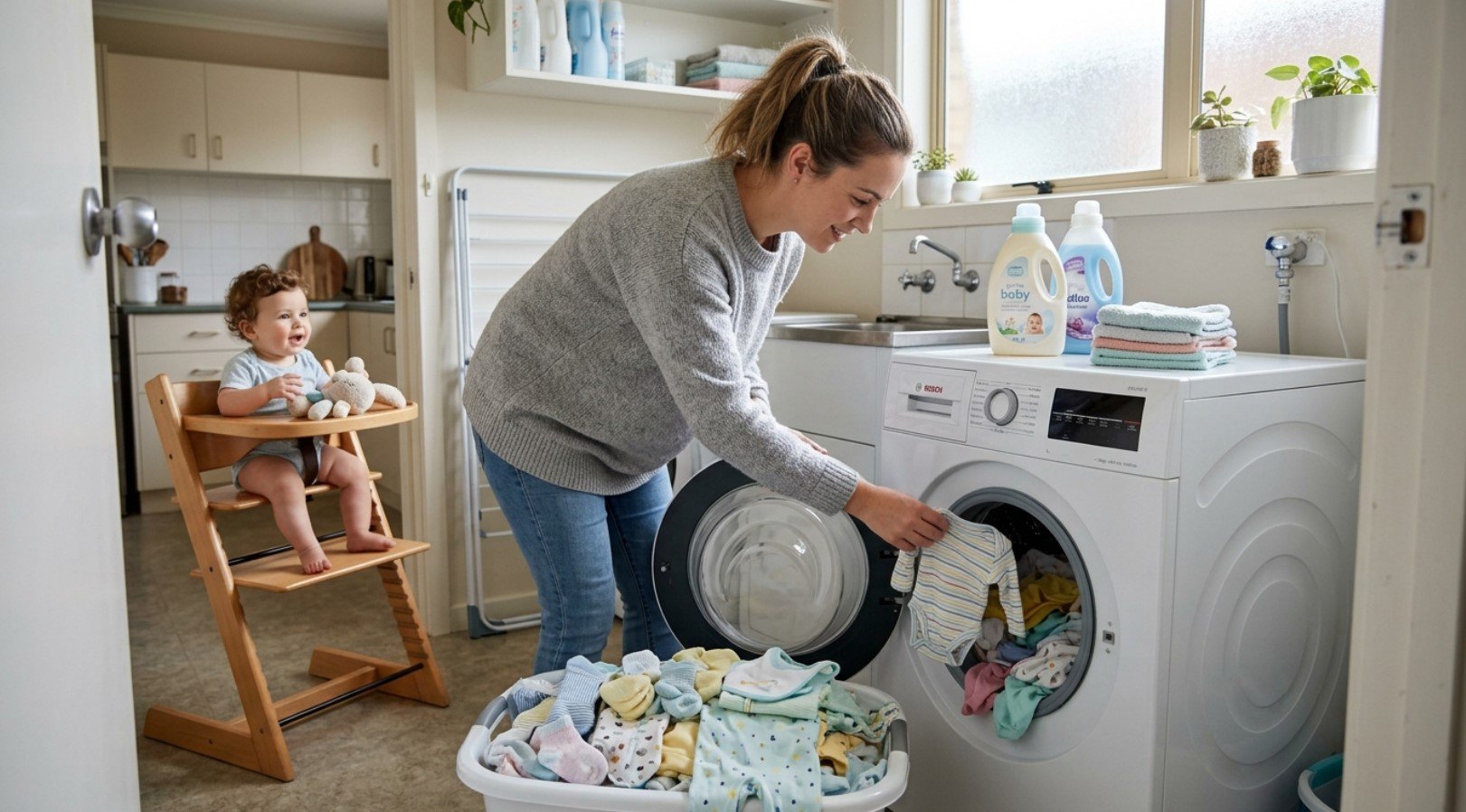
Some infants have extremely sensitive skin, and even mild ingredients can sometimes trigger irritation. Babies with eczema or allergy-prone skin tend to react more easily to scented products, including laundry detergents.
Why Some Parents Think Dreft Might Be Bad For Babies
The concern around Dreft mostly comes down to skin sensitivity.
Parents aren’t usually worried about serious danger. They’re more concerned about irritation, rashes, dryness, and eczema flare-ups.
Here are the biggest reasons some parents choose to skip Dreft:
#1 Added Fragrance Concerns
Fragrance is probably the number one reason parents question Dreft.
A lot of people associate that “clean baby smell” with comfort and freshness, but fragrances can sometimes irritate sensitive skin. Even products labeled gentle or baby-friendly may still contain scented ingredients that don’t agree with certain infants.
The tricky part is that reactions aren’t always immediate. Sometimes irritation builds slowly over time. Parents might notice dry skin first, then mild redness, then itching a few days later.
Babies also spend nearly all day in contact with fabric. Their clothes, swaddles, crib sheets, towels, and pajamas all touch their skin constantly.
So if detergent residue irritates them, the exposure happens over and over again.
Also Read: Burnt Flour For Diaper Rash
Possible Allergic Reactions
True detergent allergies aren’t incredibly common, but mild reactions can happen.
A baby might react to fragrance, preservatives, or certain cleaning agents in the formula.
The reaction can look different from child to child, which sometimes makes it hard to figure out what’s causing the problem.
Common signs can include:
Red patches on the skin
Small bumps or irritation
Dry or flaky areas
Increased fussiness after wearing freshly washed clothes
Scratching or rubbing against fabric
The hard part is that babies already deal with a lot of skin changes naturally. Heat rash, drool rash, dry winter skin, and newborn acne can all show up around the same time.
So parents don’t always connect the issue to detergent right away.
If symptoms improve after switching to a fragrance-free detergent, that’s usually a pretty strong clue.
Eczema And Sensitive Skin Issues
Babies with eczema often have extra-sensitive skin barriers, which means irritants can sneak in more easily. Fragrance tends to be one of the biggest triggers doctors talk about when managing eczema flare-ups.
For babies already struggling with dry, itchy patches, a scented detergent may sometimes make things worse.
Not always, but enough that many parents prefer to avoid the risk completely.
Many families end up switching to detergents labeled “Free & Clear” because they remove a lot of the common irritants found in scented formulas.
That doesn’t mean Dreft is terrible. It just means some babies need an even gentler option.
Also Read: Great Names With Beau
Signs Your Baby May Be Reacting To Dreft
If you recently started using Dreft and your baby’s skin suddenly seems irritated, it’s worth paying attention. Most reactions aren’t severe, but they can definitely make a baby uncomfortable.
We recommend you watch out for these:
Persistent dry patches
Redness that keeps returning
Small unexplained bumps
Skin irritation after wearing clean clothes
Worsening eczema symptoms
Frequent rubbing or scratching
Switching to a fragrance-free detergent often helps these issues within days.
You can also try rewashing clothes in a gentler detergent to remove leftover residue from previous washes.
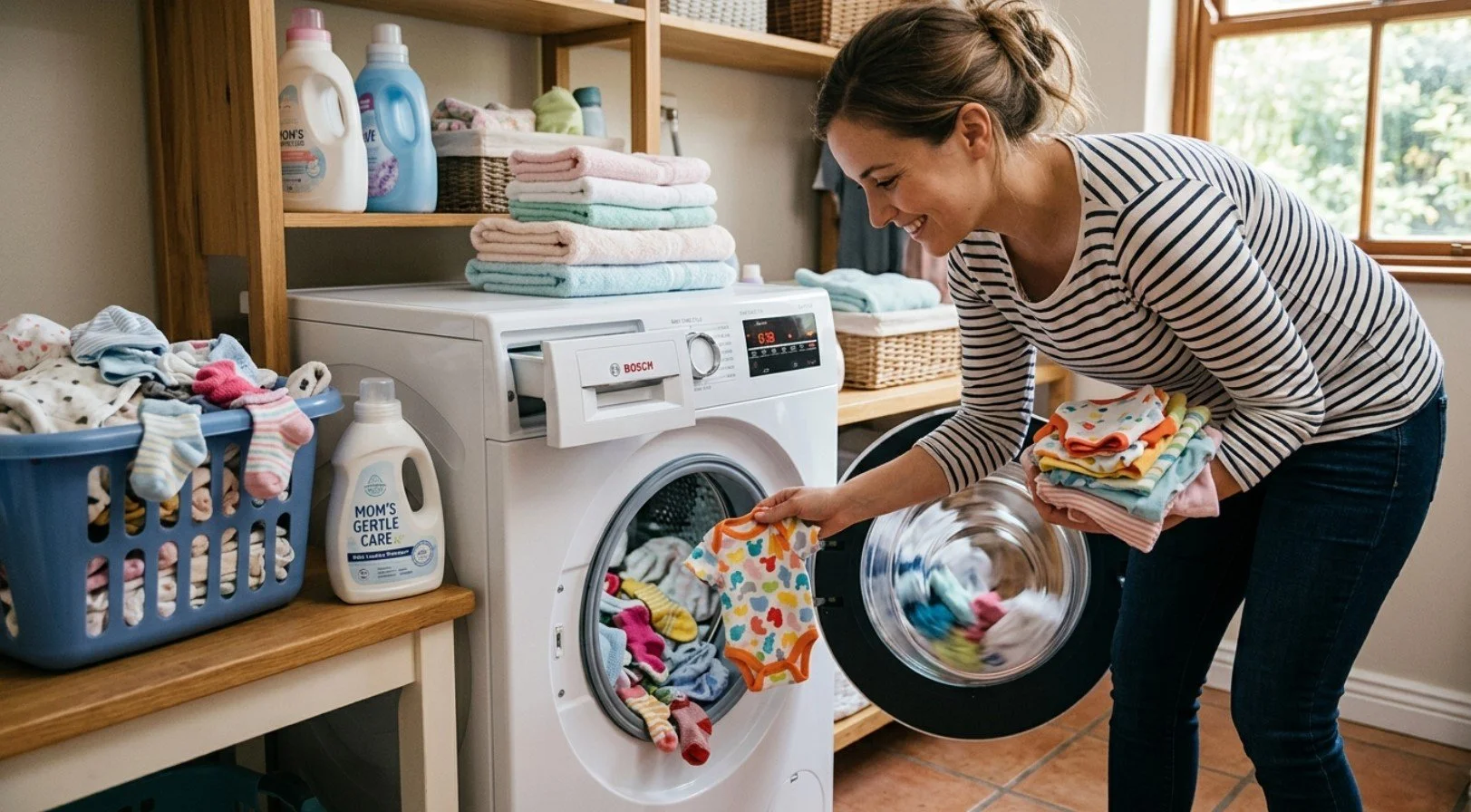
Another helpful tip? Avoid fabric softeners and heavily scented dryer sheets. Those products can sometimes irritate skin even more than detergent itself.
What Pediatricians Usually Recommend
Most pediatricians usually recommend using mild detergents with fewer potential irritants.
Fragrance-free and dye-free products are commonly suggested, especially for newborns or babies with sensitive skin.
At the same time, many doctors also point out that families don’t necessarily need special “baby detergent” at all. A gentle regular detergent can work perfectly fine.
Parents often feel pressured to buy products specifically labeled for babies, but the label itself doesn’t automatically make something safer.
Ingredients matter more.
Pediatricians also tend to recommend:
Wash new baby clothes before use
Use smaller amounts of detergent
Rinse clothes thoroughly
Skip strong fabric softeners and dryer sheets
Monitor for skin changes after switching products
Also Read: Pacifier Alternatives
Should I Talk To A Pediatrician?
Mild irritation from detergent often clears up quickly after changing products, but there are times when it makes sense to check with your pediatrician.
If your baby develops severe rashes, broken skin, swelling, or intense itching, it’s best to get professional advice.
The same goes for symptoms that keep returning no matter what detergent you use.
Eczema flare-ups can also become uncomfortable enough to need medical treatment. Babies may scratch constantly, lose sleep, or develop irritated patches that don’t improve with simple home changes.
A pediatrician can help figure out if the issue is actually detergent-related or connected to something else entirely, like eczema, allergies, heat rash, or another skin condition.
Bottom Line
Dreft is not bad for babies, and many families use it without any issues at all. But for babies with sensitive skin, eczema, or fragrance sensitivities, it may cause irritation that shows up as redness, dryness, or itching.
A lot of the concern comes from the added fragrance in some Dreft formulas.
Some babies handle that perfectly fine. Others do much better with fragrance-free detergents designed for sensitive skin.
If things look calm and comfortable, you’re probably fine. If irritation keeps appearing, switching detergents is a pretty easy change to try.