10 Good Pacifier Alternatives
Pacifiers can be incredibly helpful for calming babies, helping them sleep, and surviving those extra fussy moments that seem to appear out of nowhere.
But not every baby falls in love with a pacifier.
The good news is that pacifiers aren’t the only way to comfort a baby.
There are plenty of simple, safe, and effective substitutes that can help babies relax, self-soothe, and settle down.
In this guide, I’ll show you 10 pacifier alternatives that parents are using right now.
#1 Teething Toys
Teething toys are probably one of the easiest pacifier alternatives to try, especially once babies start chewing on literally everything they can grab.
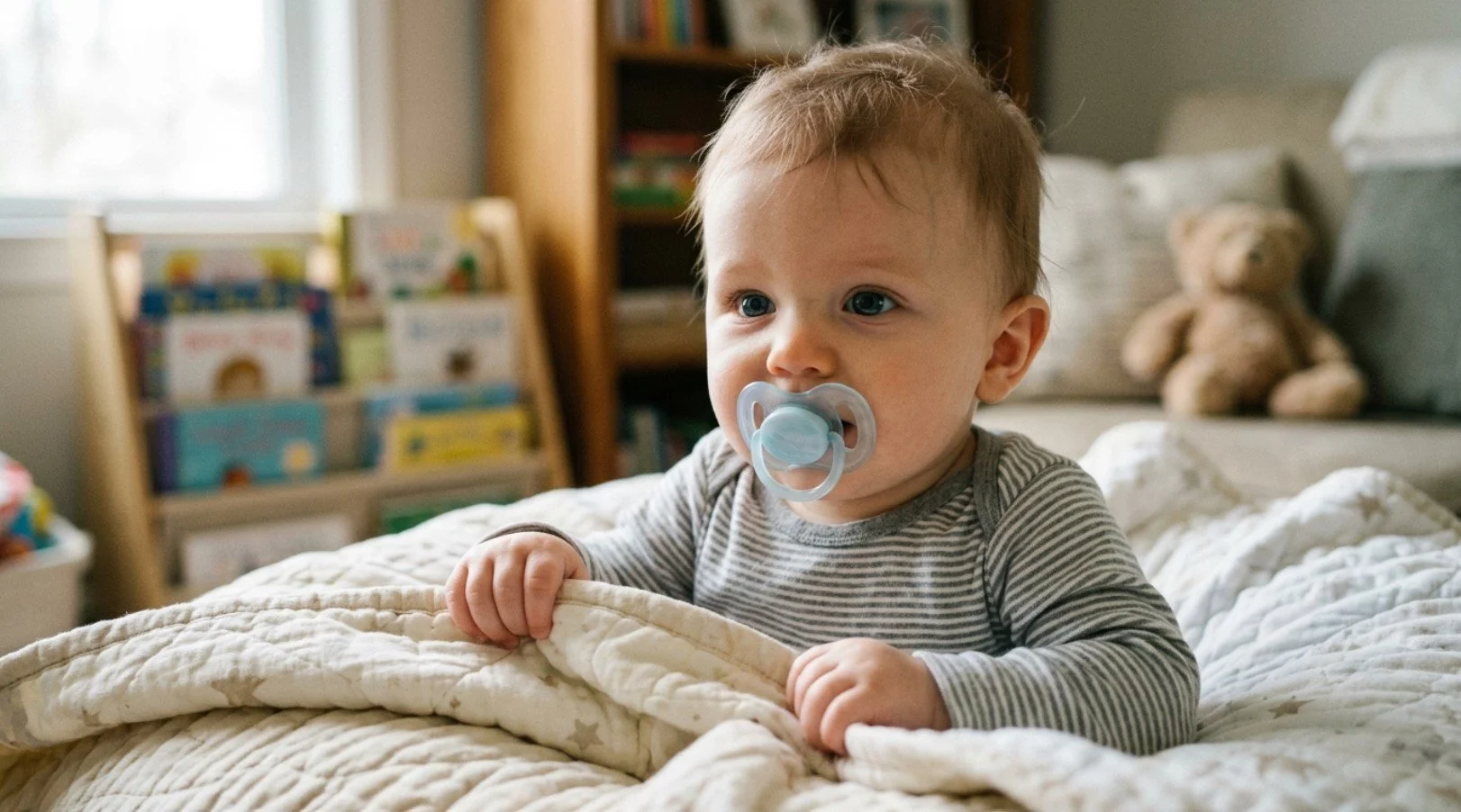
A good teething toy gives babies something soothing to bite and explore. The pressure can help calm sore gums, and many babies enjoy the different textures.
Silicone teethers are especially popular because they’re soft, flexible, and easy to clean.
Some parents keep a few teethers in the fridge for extra cooling comfort. That cold sensation can feel amazing during rough teething days when babies are cranky and uncomfortable.
Karen’s Nanny Agency recommends looking for these things in the teethers:
BPA-free materials
Easy-to-hold shapes
Textured surfaces for gum relief
Simple cleaning instructions
Teething toys also work well because they grow with your baby.
#2 Comfort Blankets Or Loveys
Some babies become attached to a soft blanket or tiny comfort toy instead of a pacifier.
These little comfort items, often called loveys, can help babies feel secure and relaxed during naps, bedtime, or stressful moments.
There’s something magical about soft textures for babies. A familiar blanket can quickly become part of their sleep routine, almost like a signal telling their brain it’s time to calm down.
Parents usually introduce loveys once babies are old enough for safer sleep habits, and many choose lightweight breathable materials.
The funny part is that adults aren’t that different.
Plenty of grown-ups have favorite hoodies, blankets, or pillows they refuse to replace.
Also Read: Kirkland Diapers Vs Pampers
#3 White Noise Machines
White noise machines can work wonders for babies who mainly use pacifiers to settle down for sleep. Constant soft sound helps create a calm environment and blocks sudden noises that might wake a light sleeper.
Think about it from a baby’s perspective. They spent months hearing constant noise inside the womb. Complete silence can actually feel strange.
White noise gives babies a steady comforting background sound. Rain sounds, fan noises, ocean waves, and heartbeat sounds are all common options.
Some babies love one type instantly while others seem personally offended by certain sounds.
Many parents notice that white noise becomes part of a predictable bedtime routine. Once babies recognize the sound, they start associating it with rest and relaxation.
#4 Rocking And Gentle Movement
Babies love movement. It’s one of the oldest soothing methods in the world, and for good reason. Gentle rocking, swaying, bouncing, or walking around the room can calm many babies faster than a pacifier ever could.
There’s something naturally comforting about rhythmic movement.
It reminds babies of being carried during pregnancy, so it often helps them settle quickly.
Parents use all kinds of movement techniques:
Rocking chairs
Baby swings
Slow walks around the house
Gentle bouncing while holding the baby
Stroller rides
Sometimes the simplest methods work best.
Plenty of exhausted parents have spent late nights pacing the hallway while whispering random nonsense songs just to keep a baby calm for ten more minutes.
Also Read: Burnt Flour For Diaper Rash
#5 Thumb Or Finger Sucking
Some babies skip pacifiers completely and go straight to sucking their thumb or fingers.
It’s a natural self-soothing habit that starts very early for many babies. In fact, some babies even suck their thumb before birth.
One advantage here is convenience. Babies always have their hands nearby, so parents aren’t constantly hunting for missing pacifiers at 2 a.m. under the crib.
Thumb sucking can help babies relax, fall asleep, and manage stress.
A lot of children naturally stop the habit as they grow older. Still, some parents eventually try to limit it if it continues for many years.
#6 Silicone Feeders
Silicone feeders are another great pacifier alternative during teething stages.
These feeders let parents place soft fruit, frozen treats, or chilled food inside a silicone pouch that babies can safely chew on.
They’re especially useful during hot weather or intense teething periods. Cold fruit can feel incredibly soothing on sore gums while also giving babies a fun sensory experience.
Some popular foods parents use inside silicone feeders include bananas, strawberries, watermelon, or chilled mango pieces.
The feeder design helps reduce choking risks while still letting babies explore new tastes and textures.
Babies often enjoy the independence too. Instead of simply sucking on a pacifier, they’re actively chewing, tasting, and playing.
#7 Baby Wearing
Baby wearing has been around forever, and there’s a reason parents still swear by it today.
Keeping babies close through wraps or carriers provides warmth, comfort, movement, and reassurance all at once.
For babies who mainly want closeness instead of sucking comfort, baby wearing can make a huge difference. The gentle motion from walking combined with hearing a parent’s heartbeat can calm fussy babies almost instantly.
It also gives parents their hands back, which feels incredibly valuable during busy days. You can walk around, tidy up, or simply drink coffee before it turns cold for once.
Also Read: 1 Year Old Birthday Party Venues
#8 Soft Plush Toys
Soft plush toys can become comforting pacifier alternatives for older babies and toddlers. These toys offer emotional comfort and familiarity, especially during sleep or stressful moments.
Some children become deeply attached to one specific stuffed animal.
These toys can help children feel safe during transitions like daycare, bedtime, or travel. They also encourage emotional independence because kids learn to comfort themselves using familiar objects.
Of course, parents still need to choose age-appropriate plush toys without loose buttons, beads, or choking hazards. Safety always comes first.
But once babies reach the right stage, soft toys can become surprisingly powerful comfort items.
#9 Swaddling
Swaddling is one of the oldest calming techniques for newborns, and many parents find it incredibly helpful during those chaotic first months.
A snug swaddle helps babies feel secure and prevents the startle reflex from waking them constantly.
Some newborns sleep dramatically better once swaddled properly.
The cozy wrapped feeling reminds babies of the tight environment inside the womb, which can make the outside world feel less overwhelming. For babies who struggle to settle without sucking on something, swaddling sometimes provides enough comfort on its own.
Like most baby-related things, some babies adore swaddling while others immediately fight their way out like tiny escape artists.
Final Thoughts
Pacifiers can absolutely be helpful, but they aren’t the only way to comfort a baby. Many babies naturally prefer movement, closeness, chewing, soft textures, or soothing sounds instead.
Trying different pacifier alternatives can help you discover what truly calms your baby while also building healthy soothing habits along the way.
Some families end up using several methods together!
There’s no perfect formula. No secret parenting cheat code hidden somewhere on the internet. Just lots of experimenting, patience, and figuring things out one day at a time.