Why Do Babies Like Fans? (Solved)
If you’ve ever caught your baby staring up at a ceiling fan like it’s the most fascinating thing in the world, you’re definitely not alone.
It’s one of those quirky baby behaviors that feels a little funny at first, but it actually makes a lot of sense once you understand what’s going on in their tiny, rapidly developing brain.
Babies aren’t randomly obsessed with fans. There are real reasons behind it, and most of them are tied to how they see, hear, and experience the world early on.
In this post, I’ll explain why babies like fans.
#1 Attraction To Movement
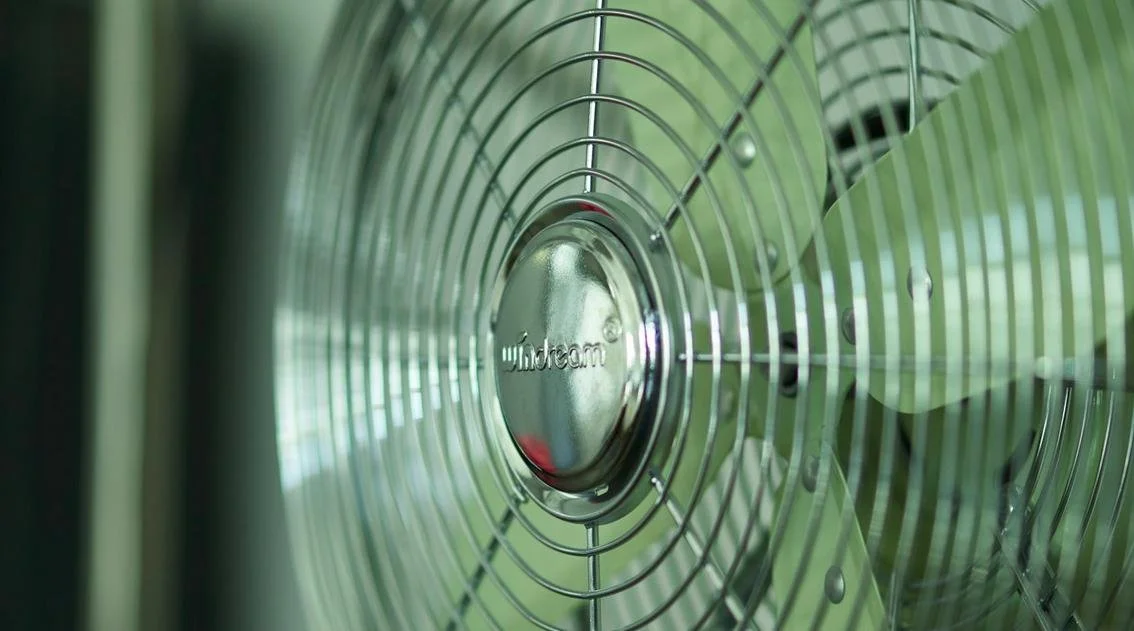
Babies are naturally drawn to motion. It’s almost like their brains are wired to notice anything that moves, because movement signals something interesting or important.
A ceiling fan spins in a steady, smooth way.
It’s not too fast, not too chaotic, just enough to grab attention and hold it.
For a baby, that’s basically entertainment. Imagine watching something that’s constantly moving but never overwhelming and that’s exactly what a fan is for them.
Still objects don’t offer much stimulation at this stage, but moving ones? That’s where things get exciting.
Also Read: Infant Chewing On Crib
#2 Developing Vision
Newborns don’t see the world the way adults do. Their vision starts off blurry and gradually sharpens over time. Early on, they can only focus on things that are relatively simple and not too far away.
A fan fits perfectly into this stage of development.
The shape is simple, the movement is predictable, and it’s often within their line of sight when they’re lying down.
It gives their eyes something manageable to track without being confusing.
As their vision improves, they’ll slowly start paying attention to more complex things, like faces, toys, and everything else around them.
#3 High Contrast And Patterns
Another reason fans are so captivating comes down to contrast.
Babies are especially good at noticing differences between light and dark.
Think about it: a fan spinning against a ceiling creates changing shapes and shadows.
That contrast makes it easier for babies to see what’s happening. Even if the colors are subtle, the movement creates a pattern their brain can follow.
And babies love patterns. Repetition mixed with slight changes is basically their version of a good show.
Also Read: How To Stop Acidic Poop In Babies
#4 Soothing White Noise
Babies like fans because of the noise too.
Fans don’t just move, they also make a soft, steady sound. That gentle hum can be surprisingly calming for babies.
It works a bit like white noise. Inside the womb, babies were surrounded by constant background sound - heartbeat, movement, and muffled noise.
So when they hear a fan, it can feel familiar and comforting.
That’s why some babies seem extra relaxed or even sleepy when a fan is on.
It’s not magic, just a sound that feels safe and steady.
#5 Repetition Feels Safe
Babies thrive on predictability. When something happens the same way over and over again, it helps them feel secure.
A fan does exactly that.
It spins at the same speed, makes the same sound, and never surprises them.
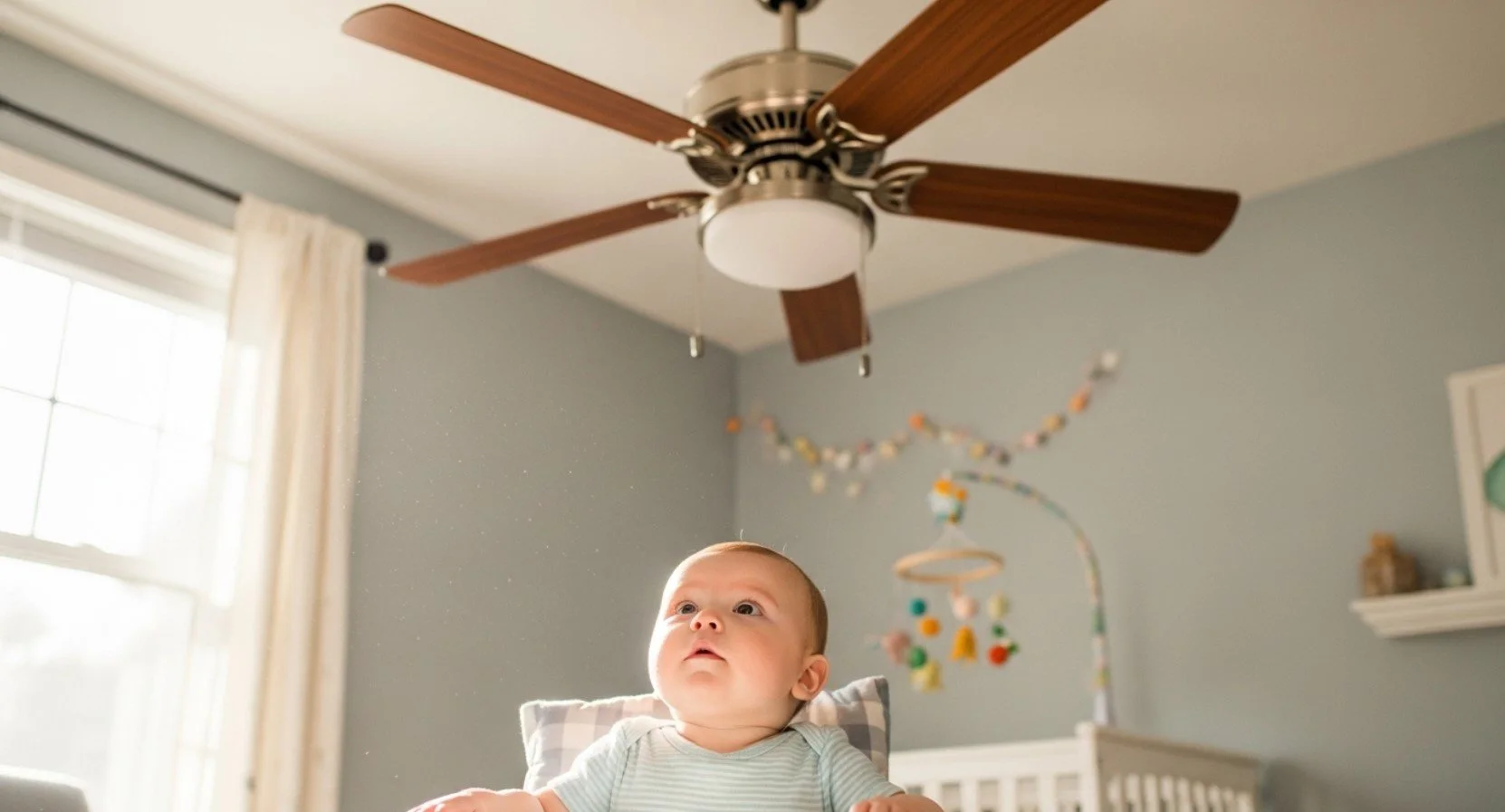
That consistency is incredibly soothing, especially in a world that’s still very new and sometimes overwhelming.
So when your baby locks onto the fan, they’re not zoning out, they’re actually engaging with something that feels stable and easy to understand.
Is It Normal For Babies To Stare At Fans For Long Periods?
Short answer: yes, it’s completely normal.
Babies can focus on things like fans for longer than you might expect, especially during those early months. Their attention works differently from ours.
When something clicks, they stick with it.
That said, it’s good to keep things balanced. If your baby spends all their awake time staring at the fan and shows little interest in people, faces, or interaction, that’s worth paying attention to. But in most cases, it’s just a phase.
You’ll probably notice that as they grow, their interest shifts naturally. Suddenly, your face becomes way more interesting than the ceiling.
Also Read: Do Godparents Have To Be Married?
Are There Any Benefits To This Behavior?
Believe it or not, this little fan obsession can actually be helpful for development.
Tracking a moving object helps strengthen eye muscles and coordination. It’s a simple way for babies to practice focusing and following motion, which are important visual skills.
It also gives their brain a chance to process patterns, rhythm, and repetition.
These are all early building blocks for how they learn to understand the world.
So while it might look like they’re just staring into space, there’s actually quite a bit going on behind the scenes.
Should You Let Your Baby Watch The Fan?
You don’t need to stop your baby from looking at the fan. It’s harmless, and in small doses, even beneficial.
Babies still need interaction, play, and connection with you. Talking, smiling, making eye contact and those things are far more important for their overall development.
If the fan becomes their go-to distraction every single time, it might help to gently redirect their attention now and then.
Bring in a toy, make a funny face, or just chat with them. They’ll usually respond pretty quickly.
Think of the fan as a nice little bonus, not the main event.
When Should You Be Concerned?
Most of the time, there’s nothing to worry about. But there are a few signs that might be worth checking in on, just to be safe.
Here’s when Karen’s Nanny Agency recommends you keep an eye out for:
Your baby rarely makes eye contact
They don’t seem interested in faces or voices
They fixate on spinning objects almost all the time
You notice delays in basic developmental milestones
Seeing one of these once in a while isn’t a big deal. Babies have their moments.
But if it’s a consistent pattern, it’s a good idea to bring it up with a pediatrician.
Bottom Line
Babies like fans because they’re simple, soothing, and visually interesting. The movement grabs their attention, the sound calms them, and the repetition makes everything feel safe.
It might seem a little odd at first, but it’s actually a very normal part of early development.
Over time, their focus will shift to more interactive and complex things, and the fan will lose its superstar status.
Until then, it’s just one of those small, funny baby phases that you’ll probably look back on and smile about.