2-Month-Old Not Eating As Much (Here’s Why)
It can feel a little unsettling when your 2-month-old suddenly doesn’t seem as interested in feeding as they were before.
One day they’re happily finishing every feed, and the next they’re pulling away, getting distracted, or just not eating as much.
Naturally, your mind starts racing: Are they getting enough? Is something wrong?
The good news is, this kind of change is actually pretty common at this age. Babies go through small but important shifts in growth, awareness, and even digestion, all of which can affect how much they eat from day to day.
In most cases, it’s completely normal and nothing to worry about.
In this post, I’ll go over a few reasons behind why your 2 month old is not eating as much, and how you can tell what’s going on with your little one.
#1. Growth Spurts
Babies don’t grow at a steady pace. It’s more like bursts with big stretches of growth followed by quieter periods.
During a growth spurt, your baby might eat a lot more than usual, almost like they can’t get enough. Then once that phase passes, their appetite can dip a bit.
So if your baby was eating more just a few days ago and now seems to have slowed down, it might simply be the other side of that cycle.
Their body isn’t demanding as much at the moment, and that’s okay.
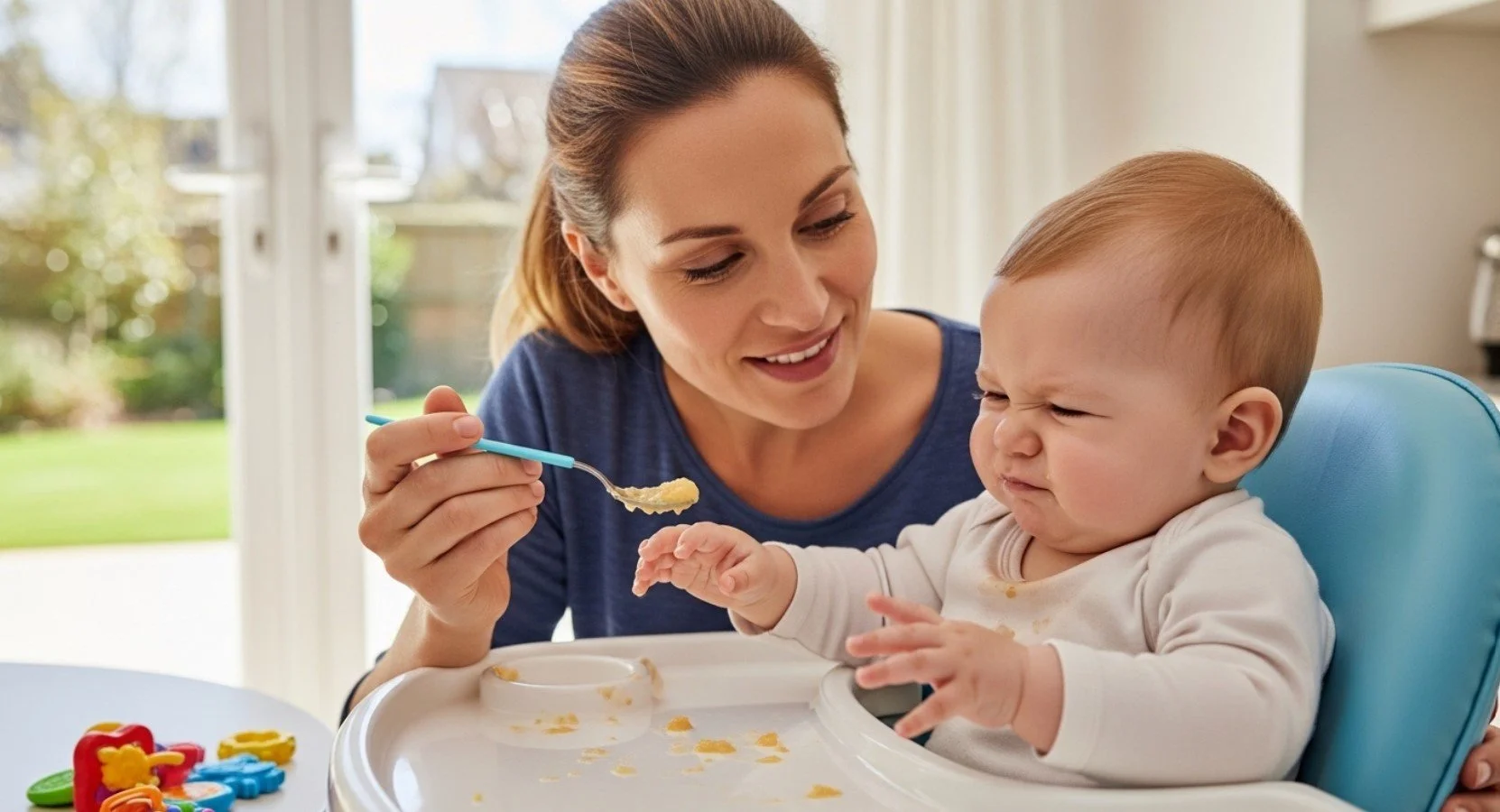
It can feel like a sudden drop, but in reality, it’s just their system balancing itself out.
Also Read: Why Is My Child Rubbing On Furniture?
#2. They’re More Aware Of The World
Around the 2-month mark, babies start waking up to the world in a whole new way. Lights, sounds, movement - everything becomes way more interesting.
And yes, that includes during feeding time.
So instead of focusing fully on eating, they might:
Pull off to look around
Get distracted by noise or people
Fuss because they want to engage instead of feed
It’s not that they don’t want to eat. It’s more like they’ve discovered there are other things happening, and they don’t want to miss out.
Feeding in a quieter, dimmer space can sometimes help bring their attention back.
#3. Mild Tummy Discomfort
Sometimes a baby won’t eat as much because their tummy isn’t feeling great.
It doesn’t have to be anything serious. Even mild gas or slight digestive discomfort can make feeding less enjoyable.
You might notice things like squirming during feeds, pulling legs up or fussiness right after eating
At this age, their digestive system is still figuring things out, so little ups and downs are pretty normal. Taking breaks during feeds to burp them or adjusting feeding positions can make a noticeable difference.
Also Read: 2 Month Old Baby Breath Smells
#4. They Ate More Earlier
This one is easy to overlook.
Babies don’t always follow a perfectly even pattern across the day. Sometimes they load up earlier (maybe during the night or in the morning) and then naturally eat less later.
So instead of looking at one feed in isolation, it helps to zoom out a bit.
Think about their total intake over the whole day.
You might realize they’re actually getting enough, just spread out differently than before.
It’s a bit like how some days you feel hungrier at breakfast and other days you’re not really into lunch. Babies can have that same kind of variation.
#5. Early Signs Of Illness
Occasionally, eating less can be one of the first signs that your baby isn’t feeling well.
Even something minor like a stuffy nose or slight discomfort can affect how they feed.
At this stage, babies rely a lot on being able to breathe comfortably while eating, especially during breastfeeding or bottle feeding.
So if they’re congested or just a bit off, they might not feed as well.

You don’t need to jump to conclusions here, but it’s something to keep in mind if the reduced feeding comes with other changes like unusual fussiness or sleepiness.
Warning Signs To Watch For
It’s usually not a big deal if your 2 month old is not eating as much, but there are a few signs that tell you it’s worth taking a closer look or getting advice.
Here are the warning signs Karen’s Nanny Agency has seen a lot:
Fewer wet diapers than usual (less than about 5–6 a day)
Very sleepy or hard to wake for feeds
Refusing multiple feeds in a row
No weight gain or noticeable weight loss
Signs of dehydration like dry mouth or no tears when crying
If you notice one or more of these, it’s better to check in with a doctor sooner rather than later, just to be safe.
When To Call A Doctor
There’s no need to rush to the doctor for every small change, but certain situations definitely call for a check.
If your baby continues eating less for more than a couple of days, or if you notice any of the warning signs we talked about, it’s a good idea to reach out.
The same goes if your baby seems unusually irritable, lethargic, or just not themselves.
Sometimes it turns out to be nothing, and that reassurance alone is worth it.
What To Do If 2 Month Old Not Eating As Much
If your baby seems fine otherwise like their alert, having enough wet diapers, and not unusually fussy, you can try a few simple things at home to support their feeding.
Here are some ideas:
Feed in a calm, low-distraction environment
Offer smaller, more frequent feeds instead of spacing them out too much
Burp them more often during feeds
Try different feeding positions to keep them comfortable
Also, trust your instincts here.
You’re around your baby all day, so you’ll pick up on patterns pretty quickly. If something feels off, even if you can’t quite explain it, it’s always okay to get a second opinion.
Also Read: Is Frozen Colostrum Good For A Sick Baby?
Bottom Line
A 2-month-old not eating as much can feel worrying, but in many cases, it’s just part of normal development. Growth patterns shift, awareness increases, and little physical discomforts come and go.
Look at the bigger picture like diapers, mood, overall behavior, not just one or two feeds. If those things look good, chances are your baby is doing just fine.
And if they don’t, or if your gut is telling you something’s not right, don’t hesitate to check in with a professional.
A quick conversation can give you clarity and peace of mind.