Adult In Crib (Can You Fit?)
People get curious about all kinds of random things, and this is one of those questions that pops up more than you’d expect.
You see a crib sitting there and start wondering… could an adult actually fit inside it?
Maybe for a joke, a photo, or just to see if it’s possible.
At first glance, a crib kind of looks like a small bed with railings. So it’s easy to assume it might hold a person the same way a regular bed does. But once you look a little closer at how cribs are designed, things start to make more sense.
In this post, I’ll explain if a crib can hold an adult.
Can An Adult Fit In A Crib?
In terms of pure space, some adults can physically fit inside a crib.
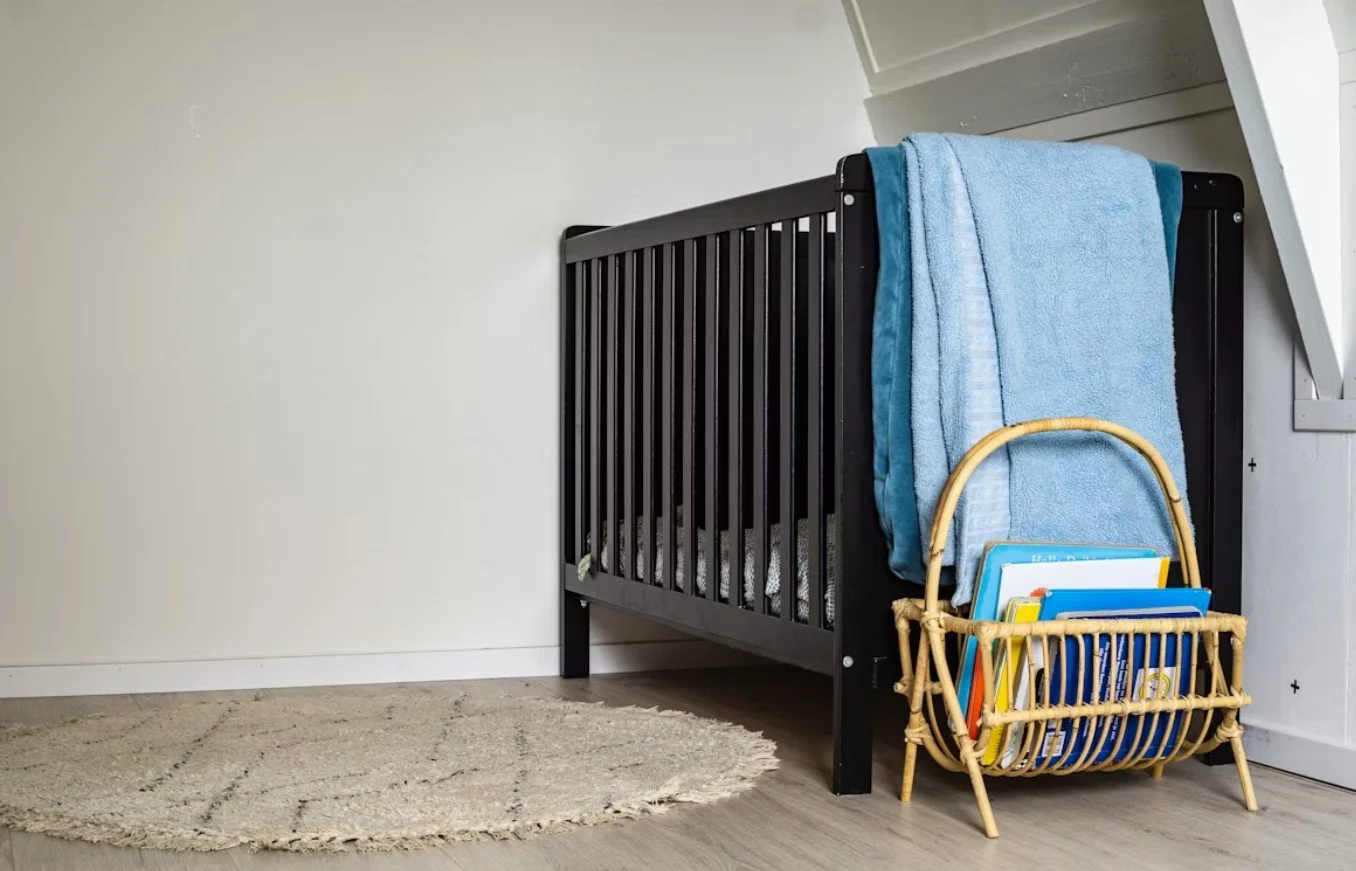
Standard cribs are usually about 52 inches long and 28 inches wide, which is roughly the size of a small toddler bed. For a full-grown person, that space feels extremely cramped.
Most adults would have to curl up tightly, bend their knees, or lie diagonally just to make it work.
Taller people would find it almost impossible to stretch out.
Even sitting inside can feel awkward because the side rails are designed to contain babies, not accommodate adult movement.
But fitting inside is only half the story.
The bigger issue is weight and structural support. A crib might hold a little pressure for a moment, especially if someone carefully sits in it.
Also Read: Why Is My Child Rubbing On Furniture?
Still, the structure isn’t designed to support adult weight for long. The mattress support, the wooden slats, and even the joints in the frame can experience stress far beyond their intended limits.
So technically, yes, some adults can fit. Comfort and safety are a totally different matter.
Average Weight Limits For Baby Cribs
Cribs aren’t built with adult use in mind, and their weight limits reflect that.
Most manufacturers design cribs specifically for babies and toddlers, and they provide guidelines to keep things safe.
Typical crib limits include:
Maximum child weight around 50 pounds
Designed primarily for infants and toddlers under 35 inches tall
Mattress support built to handle small movements and rolling, not heavy pressure
Safety standards in the US are regulated by the Consumer Product Safety Commission, which sets rules for crib design. These regulations focus on protecting babies from falls, gaps, and unsafe materials.
Strength for adult weight isn’t part of that equation.
The mattress platform inside most cribs is supported by thin wooden boards or a metal spring grid. That system works perfectly for a small child.
Add the weight of a grown adult, though, and the stress on those supports increases dramatically.
What Happens If An Adult Sits Or Lays In A Crib?
Sometimes people try sitting in a crib just to see what happens. Occasionally it holds for a moment. Other times it doesn’t go so well.
A few common things can happen when adult weight hits a crib:
The mattress support can bend or collapse
Wooden slats may crack or snap
Frame joints can loosen or separate
The crib may tilt or shift if weight leans against the sides
Even if nothing breaks right away, damage can still occur. Screws might loosen, slats may weaken, and the overall structure can lose stability.
That creates a problem later if a baby ends up using that crib again.
It’s similar to bending a plastic ruler. It might not snap immediately, but repeated stress weakens it until it eventually fails.
Cribs are also relatively lightweight compared to regular beds. That means shifting adult weight can cause the crib to wobble or move across the floor, which obviously isn’t ideal.
Also Read: What Age Is Chuck E. Cheese Good For?
Why Cribs Aren’t Built For Adult Weight
Cribs are designed with one goal in mind: keeping babies safe while they sleep.
To accomplish that, manufacturers focus on features like proper slat spacing, smooth surfaces, and lightweight materials that meet strict safety rules.
The structure only needs to support the size and movement of infants and small toddlers.
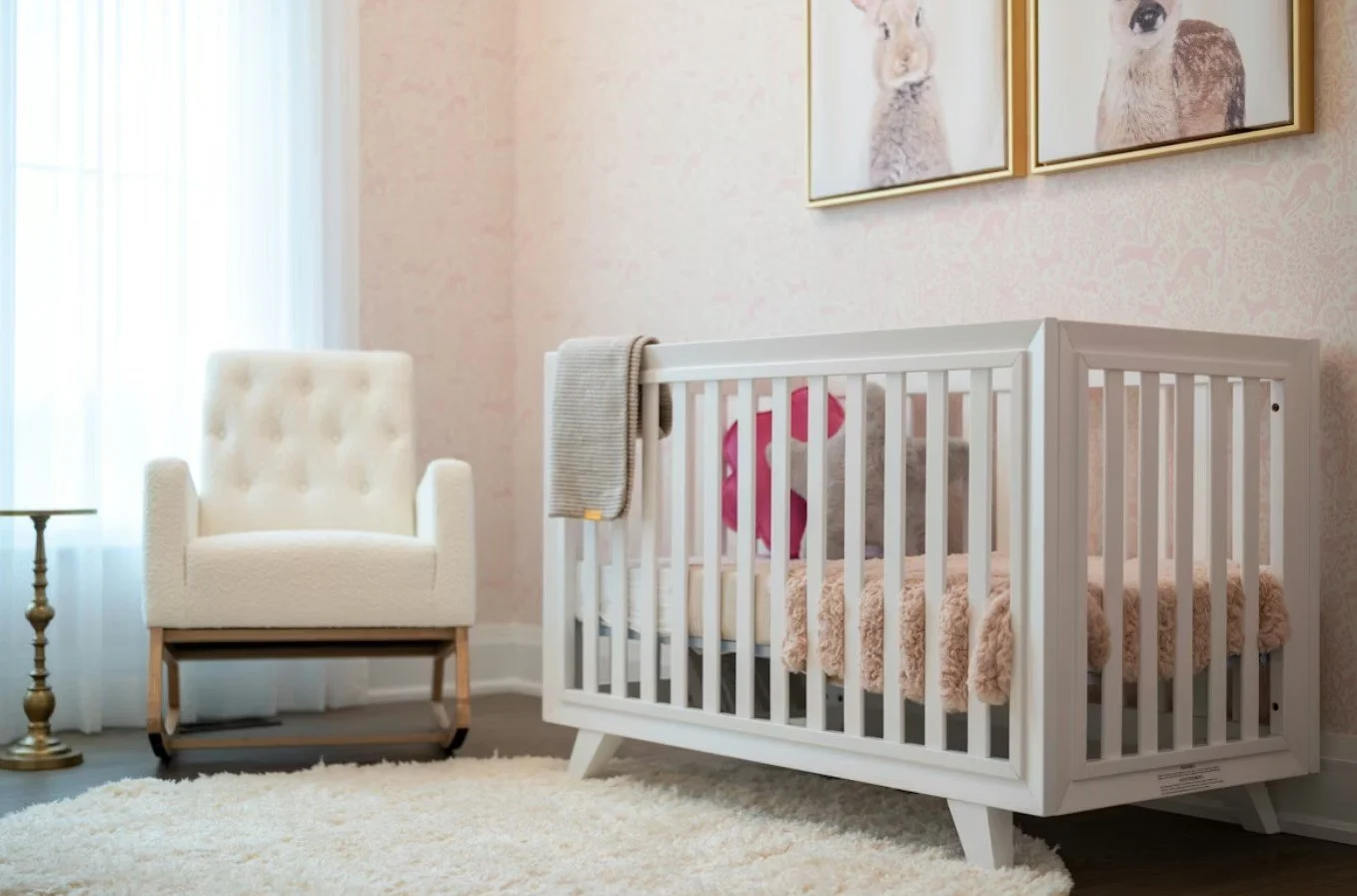
That’s why many crib components are thinner than what you’d see in adult furniture. The wood slats are narrow. The mattress support system is relatively light. Even the overall frame is designed for portability and easy assembly.
Compare that with a standard adult bed frame. Those typically include thick wooden beams or heavy metal supports designed to hold hundreds of pounds.
The difference in strength is significant.
Are There Cribs Made For Adults?
Interestingly, there are some beds that resemble oversized cribs.
These aren’t meant for babies, though.
Certain medical or safety beds include tall rails or enclosed sides to prevent falls. These are sometimes used in healthcare settings or for adults who need extra protection while sleeping.
These beds are very different from baby cribs. They’re built with reinforced frames, stronger supports, and heavy-duty materials capable of holding adult body weight safely.
Outside of medical settings, some people also use large enclosed beds for comfort or personal preference. Again, those are specifically engineered for adults and follow completely different construction standards.
A normal baby crib simply doesn’t fall into that category.
Also Read: Can You Fold A Birth Certificate?
When A Crib Should No Longer Be Used
Even for children, cribs don’t last forever. At some point, every child outgrows their crib and moves to a toddler bed.
Parents usually make that transition once a few milestones appear:
Child reaches around 35 inches in height
Child climbs or attempts to climb out of the crib
Child approaches 50 pounds
Once those limits are reached, a crib can become unsafe.
Climbing increases the risk of falls, and higher weight adds stress to the frame.
That’s why toddler beds or small twin beds become the next step. They provide more room and better support while still keeping the sleep space safe.
Bottom Line
An adult might technically squeeze into a baby crib, but that doesn’t mean the crib will handle the weight safely. Most cribs are designed for infants and toddlers under about 50 pounds, with lightweight frames and mattress supports built for small bodies.
Add adult weight to the mix and the structure can bend, crack, or weaken quickly.
Even if it doesn’t break right away, the crib may become unsafe for a baby afterward.
So while the idea of an adult in a crib might sound amusing, cribs simply aren’t built for it.
They’re designed for babies, and once a child outgrows them, it’s time to move on to a bigger bed.