Baby Hates Bassinet (Here's Why & What To Do)
If your baby hates the bassinet, you are absolutely not alone. A lot of parents run into this problem during the newborn stage.
It can feel frustrating, especially when you’re exhausted and just hoping for a little sleep.
The good news is that this situation is extremely common, and it usually improves with time.
Newborns are adjusting to a brand-new world, and bassinets feel very different from the cozy environment they just spent nine months in.
In this post, we’ll explain why babies hate bassinets, and go over some simple things that can help.
Why Does My Baby Hate The Bassinet?
Babies spend months in the womb surrounded by warmth, movement, and constant closeness.
After birth, they suddenly find themselves in a quiet room, lying flat on a mattress with no movement and no body contact. That’s a big change.
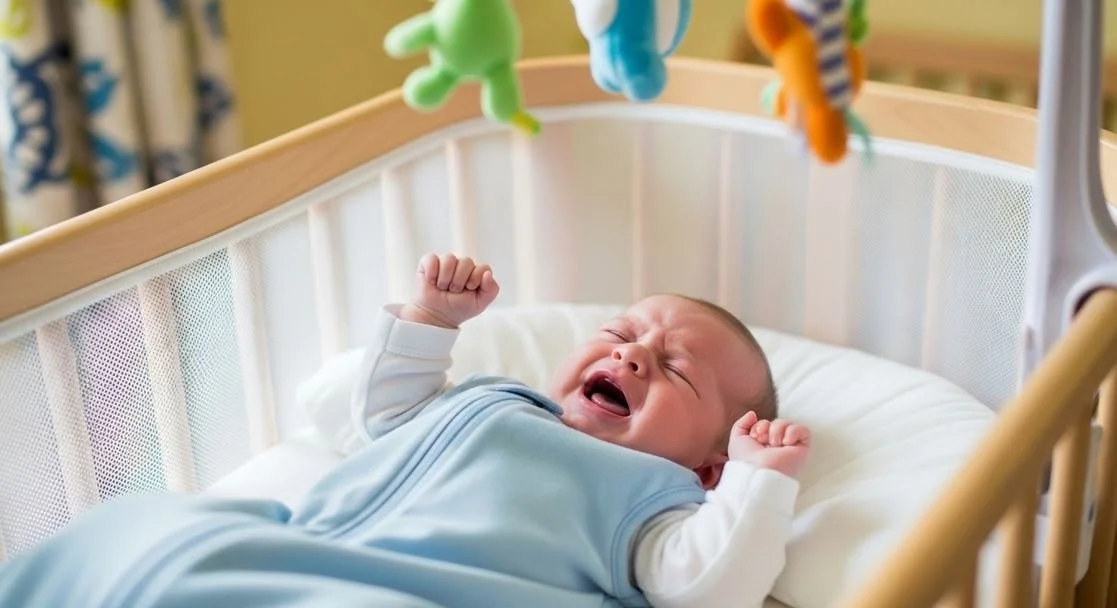
Here are a few reasons why babies hate bassinets:
#1 The Startle Reflex Wakes Them Up
Newborns have something called the startle reflex, often called the Moro reflex.
When it kicks in, babies suddenly fling their arms out and then pull them back in. It’s their body’s natural response to feeling like they’re falling.
This reflex can easily wake a sleeping baby, especially when they’re being placed down into a bassinet. Even a gentle movement can trigger it.
One second they’re asleep in your arms, and the next they’re startled awake.
This reflex is strongest during the first couple of months of life. Over time it fades, but in the beginning it can make bassinet transfers tricky.
A baby who startles easily may wake right after you put them down, which can make it seem like they hate the bassinet.
#2 They Miss Being Held
Your baby spent months in a snug space with constant contact and gentle movement. After birth, your arms feel very familiar and comforting.
A bassinet, on the other hand, feels wide open and still.
When babies fall asleep on a parent’s chest or in their arms, they feel warmth, hear a heartbeat, and sense breathing movements. All of those signals help them relax.
Once that contact disappears, some babies wake up quickly and start looking for it again.
This doesn’t mean your baby is spoiled or forming bad habits. It simply means they’re adjusting to life outside the womb.
Many newborns strongly prefer contact sleep during the early weeks.
Also Read: Where Can You Exchange Diapers Without A Receipt?
#3 The Bassinet Feels Too Cold
Another reason babies hate bassinets is because it's too cold.
When your baby is sleeping in your arms, they’re surrounded by body heat. The bassinet mattress can feel cool in comparison.
That temperature change can be enough to wake them up.
Even a small shift from warm to cool can make a sleepy baby stir and fuss.
It’s a subtle thing, but it happens more often than people realize. A baby who seems perfectly asleep might wake the moment their back touches the mattress.
#4 Gas Or Reflux Discomfort
Sometimes the issue isn’t the bassinet itself. It’s discomfort from feeding.
If a baby is laid flat right after eating, trapped gas or mild reflux can make them uncomfortable. That discomfort can cause squirming, fussing, or crying shortly after being placed in the bassinet.
Holding your baby upright for a short time after feeds often helps with this.
A good burp can also make a big difference. Once the pressure in their tummy eases, many babies settle more easily.
#5 They Are Overtired
It might sound strange, but babies who are very tired sometimes fight sleep the hardest. When they stay awake too long, their bodies release stress hormones that make it harder for them to settle down.
An overtired baby may cry more, wake easily, and struggle with sleep transitions.
Even a small disturbance, like being placed in a bassinet, can trigger a full wake-up.
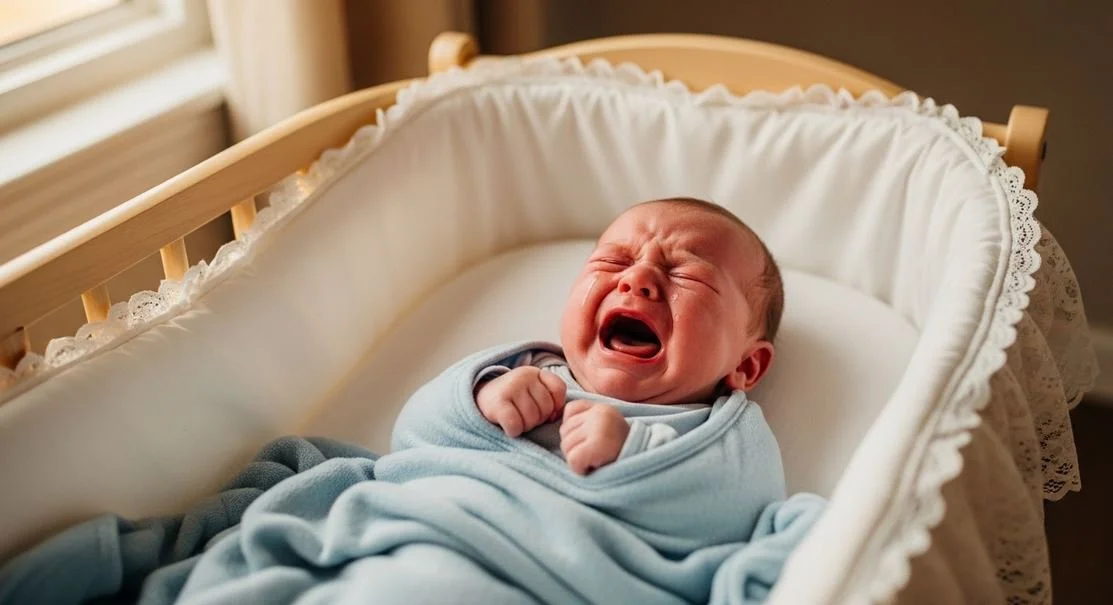
Keeping an eye on sleepy cues can help. Yawning, rubbing eyes, staring off into space, or getting fussy are all signs that sleep time is approaching.
Also Read: How Many People To Invite To Baby Shower?
Signs Your Baby Is Struggling With The Bassinet
Some babies show very clear signals that they aren’t comfortable sleeping in their bassinet yet. You might notice patterns that repeat every time you try to put them down.
Here are a few common signs parents notice:
Baby falls asleep in arms but wakes shortly after being placed in the bassinet
Crying starts almost immediately after being laid down
Baby sleeps much longer during contact naps
Frequent wake-ups when lying flat
Seeing these patterns can be frustrating, but they’re incredibly common during the newborn phase. Many babies simply need a little time and a few adjustments before the bassinet becomes their favorite sleep spot.
How To Get Your Baby To Sleep In A Bassinet
The good news is that there are several simple strategies that can make bassinet sleep easier. Sometimes just one small tweak can improve things quite a bit.
Let’s go through a few ideas that tend to work well for many families:
Swaddle Your Baby
Swaddling can be a game changer for newborn sleep. Wrapping your baby snugly in a swaddle blanket helps limit arm movements and reduces the startle reflex.
When babies are swaddled, they often feel more secure and less likely to wake themselves up.
The gentle pressure around their body can mimic the snug feeling of the womb.
Just make sure the swaddle isn’t too tight around the hips and always place your baby on their back for sleep.
Put Baby Down Drowsy But Calm
Timing can make a big difference during bassinet transfers.
If your baby is extremely awake, they may resist being put down. If they’re already in deep sleep, the movement of transferring them can wake them.
Many parents find success when their baby is drowsy and relaxed but not fully asleep yet. At that stage, babies are calm enough to settle down but less sensitive to the change in position.
It can take a little practice to find the sweet spot, but once you do, it often becomes easier.
Also Read: Awesome Bassinet Alternatives
Warm The Bassinet First
Since temperature changes can wake babies, gently warming the bassinet can help make the transition smoother.
Some parents place a heating pad on the mattress for a few minutes before putting the baby down. Just remove it before laying the baby in the bassinet so the surface is warm but safe.
This small step helps reduce the sudden shift from warm arms to a cool mattress.
Try The Feet-First Transfer Method
The way you place your baby down can also affect how easily they stay asleep.
Instead of lowering your baby flat all at once, try placing their feet down first. Then gently lower their bottom and finally their head.
This method helps reduce the sensation of falling, which can trigger the startle reflex.
Moving slowly and keeping your hands on the baby for a moment after the transfer can also help them settle.
Use White Noise
Babies are used to constant sound in the womb. In fact, the womb is surprisingly noisy due to blood flow and internal movement.
White noise can recreate that environment and help babies relax. A simple white noise machine or fan can provide steady background sound that blocks sudden noises and makes sleep easier.
Many parents find that white noise helps their baby stay asleep longer in the bassinet.
Bottom Line
If your baby hates the bassinet, it doesn’t mean you’re doing anything wrong. This phase is extremely common, especially during the first few weeks of life.
Babies are adjusting to a completely new environment, and it takes time for them to feel comfortable sleeping independently. With a little patience and a few small adjustments, most babies gradually learn to settle in their bassinets.
Our nannies at Karen’s Nanny Agency see babies who hate bassinets all the time.
In the meantime, focus on creating a calm sleep routine, watch for sleepy cues, and try some of the strategies above.
Sleep might still feel unpredictable for a while, but things usually get easier as your baby grows and becomes more comfortable in their new world.