7 Awesome Bassinet Alternatives
Bringing a newborn home is exciting… and a little overwhelming too.
Suddenly you’re thinking about things you probably never cared about before. One of the big questions many parents run into is sleep setups.
A lot of people assume a bassinet is the only option for those early months, but that’s not actually true.
Bassinets are popular because they’re small and convenient, especially for the newborn stage. Still, they don’t last very long. Most babies outgrow them within a few months, which means parents end up buying another bed pretty quickly.
The good news is there are several safe and practical options out there.
In this post, we’ll show you seven awesome bassinet alternatives that parents commonly use.
#1 Crib
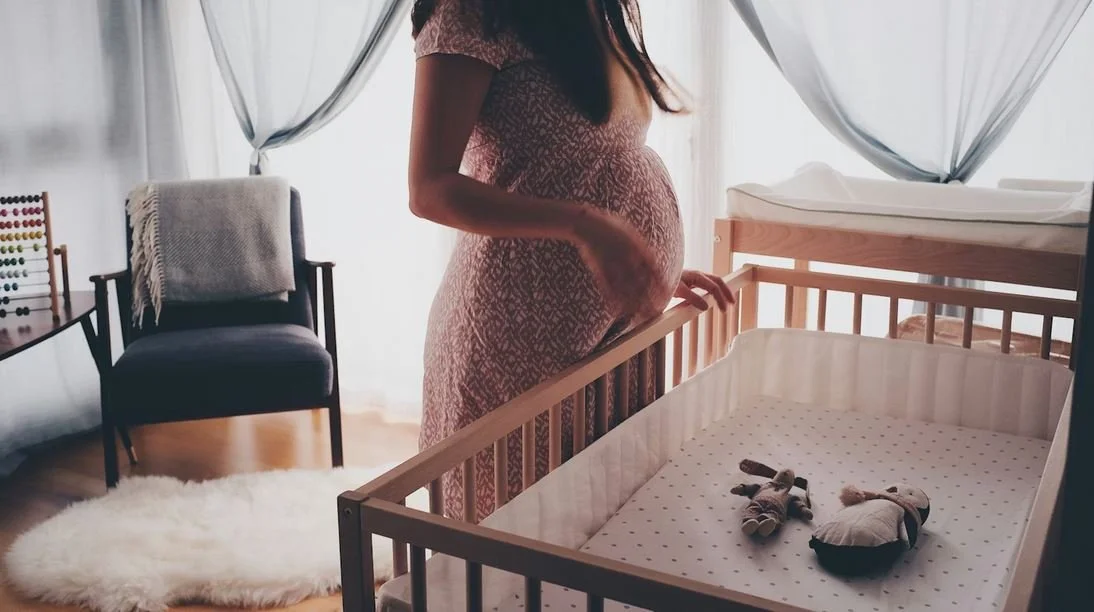
A full-size crib might seem like a big step for a tiny baby, but it’s actually one of the best bassinet alternatives.
Many parents skip the bassinet entirely and place their newborn directly in a crib from day one.
A crib provides a firm, flat sleeping surface, which is exactly what babies need. When set up properly, it’s considered one of the safest sleep environments.
And honestly, it saves you from buying multiple beds during the first year.
Another big advantage is longevity. While bassinets last only a few months, a crib can be used for several years. Your baby will grow into it naturally, and many cribs even convert into toddler beds later.
If you already have space in a nursery or bedroom, starting with a crib can be a very practical choice.
Also Read: 7 Great Owlet Alternatives
#2 Mini Crib
Not every home has space for a large crib. That’s where mini cribs come in.
Think of them as the compact version of a traditional crib.
Mini cribs offer many of the same benefits as full-size cribs but take up far less room. They fit easily in smaller bedrooms, apartments, or shared spaces. This makes them especially useful for parents who want their baby nearby but don’t have much extra space.
Despite the smaller size, mini cribs usually last longer than bassinets.
Many babies can use them well into their toddler stage, depending on the model and weight limits.
Another nice bonus is portability. Some mini cribs come with wheels, which means you can gently move them from room to room during the day.
That flexibility makes life a little easier when you’re juggling naps, chores, and everything else that comes with a newborn.
#3 Pack ’n Play (Play Yard)
The Pack ’n Play is one of the most versatile baby sleep options out there. It’s basically a portable play yard that also works as a safe sleeping area.
A lot of parents love it because it does more than one job. During the day, it can be a play space. At night, it becomes a sleep area.
Many models even include newborn inserts or bassinets to make the early months easier.
Another big benefit is travel. If you visit family, stay in hotels, or move around the house often, a Pack ’n Play can fold up and go with you. That convenience alone makes it worth considering.
Because of its flexibility, many families end up using this option for several years.
Also Read: Is It Safe To Put Snuggle Me In Bassinet?
#4 Bedside Sleeper
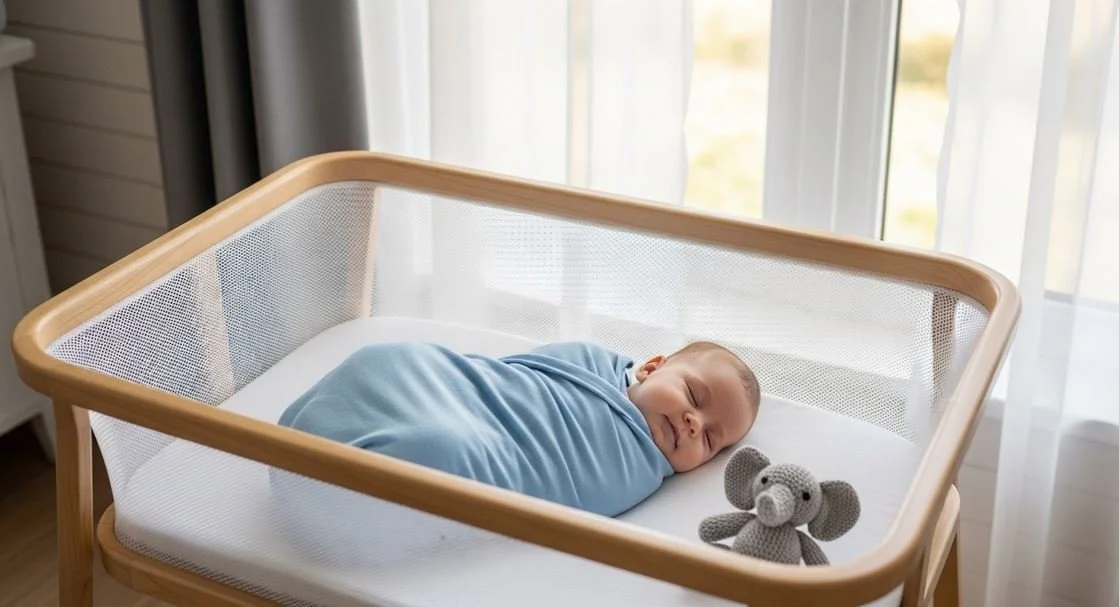
Nighttime feeding can feel like a marathon during the newborn stage. That’s why bedside sleepers have become incredibly popular alternatives to bassinets.
A bedside sleeper attaches directly to the parents’ bed or sits right beside it.
This allows your baby to sleep close to you while still having their own safe sleeping space.
You can reach over easily without getting out of bed every time the baby wakes up.
For parents who plan to breastfeed, this setup can be especially convenient. It reduces the need to walk across the room at night, which can make those late-night wakeups feel slightly less exhausting.
Another benefit is peace of mind. Many parents simply feel more comfortable having their baby nearby during the early months.
A bedside sleeper offers that closeness without sharing the same mattress.
#5 Moses Basket
The Moses basket is one of the most traditional baby sleep options, and it’s still used by many families today.
It’s essentially a lightweight basket with a small mattress inside.
One thing parents really love about Moses baskets is portability. You can easily carry them from room to room, which means your baby can nap nearby while you go about your day.
They also tend to look cozy and stylish, which is why you often see them in nursery photos or newborn pictures.
However, Moses baskets usually have a shorter lifespan than some other options. Babies grow quickly, and once they start rolling or moving more, it’s time to switch to a sturdier sleep space.
Even so, they remain a charming and convenient choice during the earliest months.
#6 Baby Box
The baby box might sound unusual at first, but it’s actually a well-known concept in some parts of the world. It’s basically a sturdy box with a mattress designed for newborn sleep.
This idea became widely known through Finland’s famous baby box program.
New parents receive a box filled with baby essentials, and the box itself can be used as a safe sleeping place.
The appeal is simplicity. A baby box provides a flat sleep surface without extra padding, pillows, or decorations. It’s also very affordable compared to many baby furniture options.
Because of its small size, it’s typically used only during the newborn stage.
Still, it can be a helpful short-term bassinet substitute for parents looking for something simple and budget-friendly.
#7 Floor Bed (Montessori Style)
A floor bed is a completely different approach to baby sleep, inspired by Montessori ideas.
Instead of placing the baby in a raised crib, the mattress is placed directly on the floor in a baby-proofed room.
At first glance, it might feel a bit unconventional. But many parents appreciate the freedom it offers as the child grows. Babies can eventually move around safely and explore their space.
For the earliest months, the setup looks very simple: a firm mattress placed on the floor with plenty of open space around it.
That said, safety is important here, so the room needs to be fully baby-proofed.
As the child gets older, the floor bed makes transitions easier. There’s no climbing out of cribs or sudden bed changes. The sleeping space simply grows with them.
Also Read: Baby Sleeping In Bouncer
Safety Tips When Choosing A Bassinet Alternative
No matter which option you choose, safety always comes first. Babies need a sleep space that reduces risks and supports healthy rest.
Here are a few simple safety guidelines parents should always keep in mind:
Use a firm, flat mattress, avoid pillows, blankets, and stuffed toys, and keep the sleep area clear and simple.
These basic rules apply to almost every type of baby sleep setup.
A simple environment is often the safest one.
It’s also a good idea to regularly check weight limits and manufacturer guidelines. Babies grow fast, and what works in the first month might not work by month four.
When Should You Transition To A Larger Bed
Babies grow quickly, and their sleep setup will eventually need to change. The timing depends on the type of bed you’re using and how fast your baby develops.
You might notice signs like:
Your baby looks cramped in their sleep space
They start rolling or moving more
They reach the weight or height limit
When these things happen, it’s usually time to move to a larger crib or toddler bed.
Make the transition before the sleep space becomes unsafe. Planning ahead makes the process smoother for both parents and baby.
Bottom Line
Bassinets are helpful, but they’re far from the only option. In fact, many parents skip them entirely and go straight to alternatives that last longer or fit their home better.
Cribs, mini cribs, Pack ’n Plays, bedside sleepers, Moses baskets, baby boxes, and even floor beds are all good bassinets alternatives.
The right choice really depends on your space, budget, and daily routine.