Can Growth Spurts Cause Fevers? (Solved)
If you’ve ever gone through a growth spurt phase with your baby, you already know it can feel like everything suddenly changes overnight.
It’s a lot.
So when they also feel a little warm, it’s totally natural to wonder if the two are connected.
A lot of parents assume growth spurts might come with a fever, especially since babies can seem “off” during that time. But that’s not true. Growth spurts don’t actually cause fevers.
Still, the confusion is super common, and honestly, very understandable.
In this post, I’ll explain why growth spurts don’t cause fevers, and what it might actually be.
Do Growth Spurts Cause Fevers?
No, growth spurts don’t cause fevers.
Growth spurts are all about rapid physical development. Your baby is growing quickly, which means they need more food, more rest (even if it doesn’t feel like it), and a bit more comfort.
Their body is busy, but not in a way that raises their core temperature into fever territory.
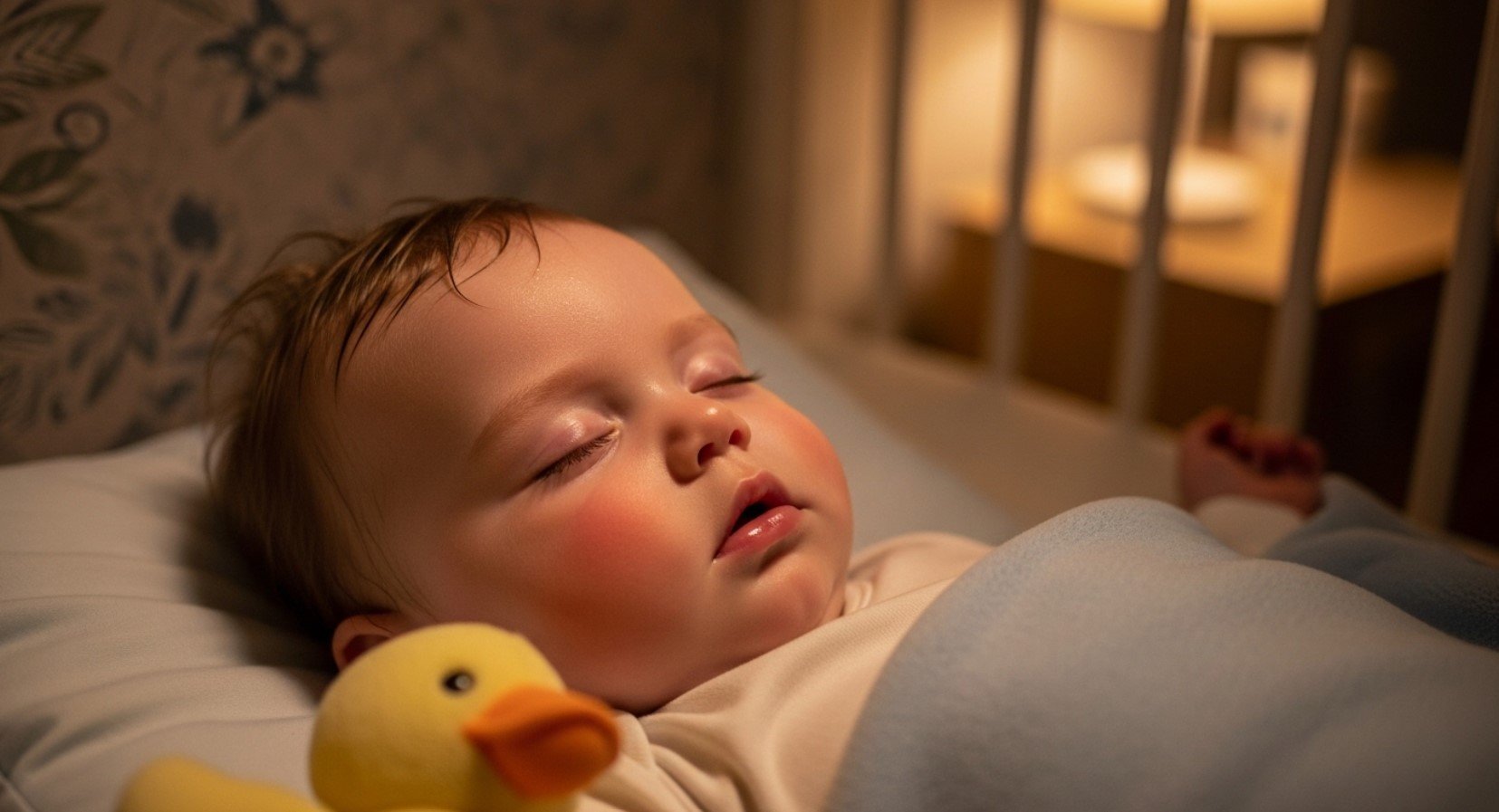
During a growth spurt, your baby might feel slightly warm to the touch.
That alone can make you think, “Oh no, fever.” But a true fever is specific. It’s usually defined as a temperature of 38°C (100.4°F) or higher, and that doesn’t happen just because your baby is growing.
Also Read: Baby Hit Soft Spot On My Chin
What’s more likely happening is timing.
Growth spurts often line up with phases when babies are more sensitive, and sometimes they also catch a minor illness around the same time.
When both overlap, it can feel like the growth spurt caused the fever, even though they’re actually unrelated.
Why Your Baby Might Have A Fever Instead
If your baby does have a real fever, there’s usually another reason behind it. And in most cases, it’s something pretty mild and temporary.
Here’s what it could be:
#1 Viral Infections (Most Common Cause)
This is by far the biggest reason babies get fevers. Their immune systems are still developing, so picking up little viruses is just part of the process.
It could be something as simple as a cold, and along with the fever, you might notice a runny nose, slight cough, or extra fussiness.
The good thing is that most viral infections are mild and clear up on their own within a few days.
Your baby’s body is basically learning how to fight off these germs, and a fever is part of that process. It can be uncomfortable, but it’s usually not something serious.
#2 Teething
Teething gets blamed for a lot, and to be fair, it does make babies miserable sometimes.
You might notice drooling, chewing on everything, and red gums.
You might also notice their cheeks looking a bit flushed or their body feeling slightly warmer than usual. That mild increase in temperature can make it seem like they have a fever, but it typically stays below the 38°C mark.
Another thing is that teething can mess with sleep and feeding, which overlaps a lot with growth spurt behavior.
Also Read: Sick Baby Won’t Sleep Unless Held
#3 Vaccinations
After routine vaccinations, it’s completely normal for babies to develop a mild fever.
It’s actually a sign that their immune system is doing exactly what it’s supposed to do.
This kind of fever usually shows up within a day or two and goes away fairly quickly. Your baby might also seem a bit sleepy or irritable, which can look a lot like a growth spurt phase, adding to the confusion.
#4 Other Minor Illnesses
Sometimes it’s something small that doesn’t have obvious symptoms right away.
A mild ear infection, a tummy bug, or just feeling under the weather can all bring on a fever.
Babies can’t tell us what’s wrong, so the only clue you might get is that something feels different from their usual behavior.
There are also moments when babies just seem “off” for a day or two, a little more tired, a little less interested in feeding, and then they bounce back quickly.
These short-lived illnesses are pretty common and usually resolve on their own.

Growth Spurt Symptoms Vs Fever Symptoms
This is where it really helps to separate what you’re seeing.
Growth spurts and fevers can both make your baby act differently, but they show up in different ways.
Feeding more often than usual
Acting clingy or needing extra comfort
Changes in sleep (waking more or sleeping more)
Fever signs:
Temperature at or above 38°C (100.4°F)
Low energy or unusual sleepiness
Poor feeding or refusing feeds
Irritability along with other symptoms like coughing or congestion
Growth spurts mostly affect behavior and patterns, while fevers come with physical signs you can measure and observe more directly.
When To Be Concerned About A Fever
Not every fever is a big deal, but there are moments when you shouldn’t just wait it out.
If your baby is very young, especially under three months, any fever should be checked right away. Their immune system is still very immature, so doctors usually want to take a closer look.
For older babies, keep an eye on how long the fever lasts and how your baby is acting overall.
Here’s Karen’s Nanny Agency’s quick list to keep in mind:
Fever lasting more than 2–3 days
Trouble feeding or refusing feeds
Very low energy or hard to wake
Fewer wet diapers than usual
If something feels off, trust that instinct. You know your baby better than anyone, and it’s always okay to get things checked just to be sure.
How To Comfort Your Baby During Growth Spurts
Even though growth spurts don’t cause fevers, they can still be exhausting for both you and your baby.
The good news is, they’re temporary, even if they don’t feel like it in the moment.
The best thing you can do is lean into what your baby needs right now instead of trying to stick too strictly to routines.
Feed them when they seem hungry, even if it’s more often than usual. Offer extra cuddles, because they’re probably craving that comfort.
Sleep might be a bit messy for a few days, and that’s okay too.
Try to keep things calm and flexible. Growth spurts usually pass within a few days, and once they do, things tend to settle back down on their own.
Also Read: Flight With 4 Month Old
Bottom Line
Growth spurts can definitely make your baby seem different, and sometimes a little warm, but they don’t actually cause fevers. If your baby has a true fever, there’s almost always another reason behind it, most commonly something mild like a viral infection.
Pay attention to their temperature, their behavior, and how long things last.
And if you’re ever unsure, getting a second opinion from a doctor is never a bad call.