Is Beeswax Safe For Babies? (Yes - Explained)
If you’ve ever flipped over the label of a baby lotion, diaper cream, or balm, you’ve probably seen beeswax sitting there in the ingredients list.
It sounds nice and natural (which it is) but once it involves babies, even harmless things can make parents pause.
Totally understandable.
When it comes to something going on your baby’s skin (and eventually their hands, face, and maybe mouth), you want to be extra sure it’s safe.
The good news is that beeswax has been used for centuries in skincare, including baby care, and it has a very solid safety record. It’s gentle, non-toxic, and surprisingly helpful for protecting delicate skin.
Still, like most things in the baby world, the details matter.
In this post, we’ll explain if beeswax is safe for babies, potential risks to be aware of, how to use beeswax products safely, and when to avoid them.
Beeswax Is Safe For Babies
Yes, beeswax is considered safe for babies. It’s one of those rare ingredients that is both natural and very mild, which makes it a favorite in baby products.
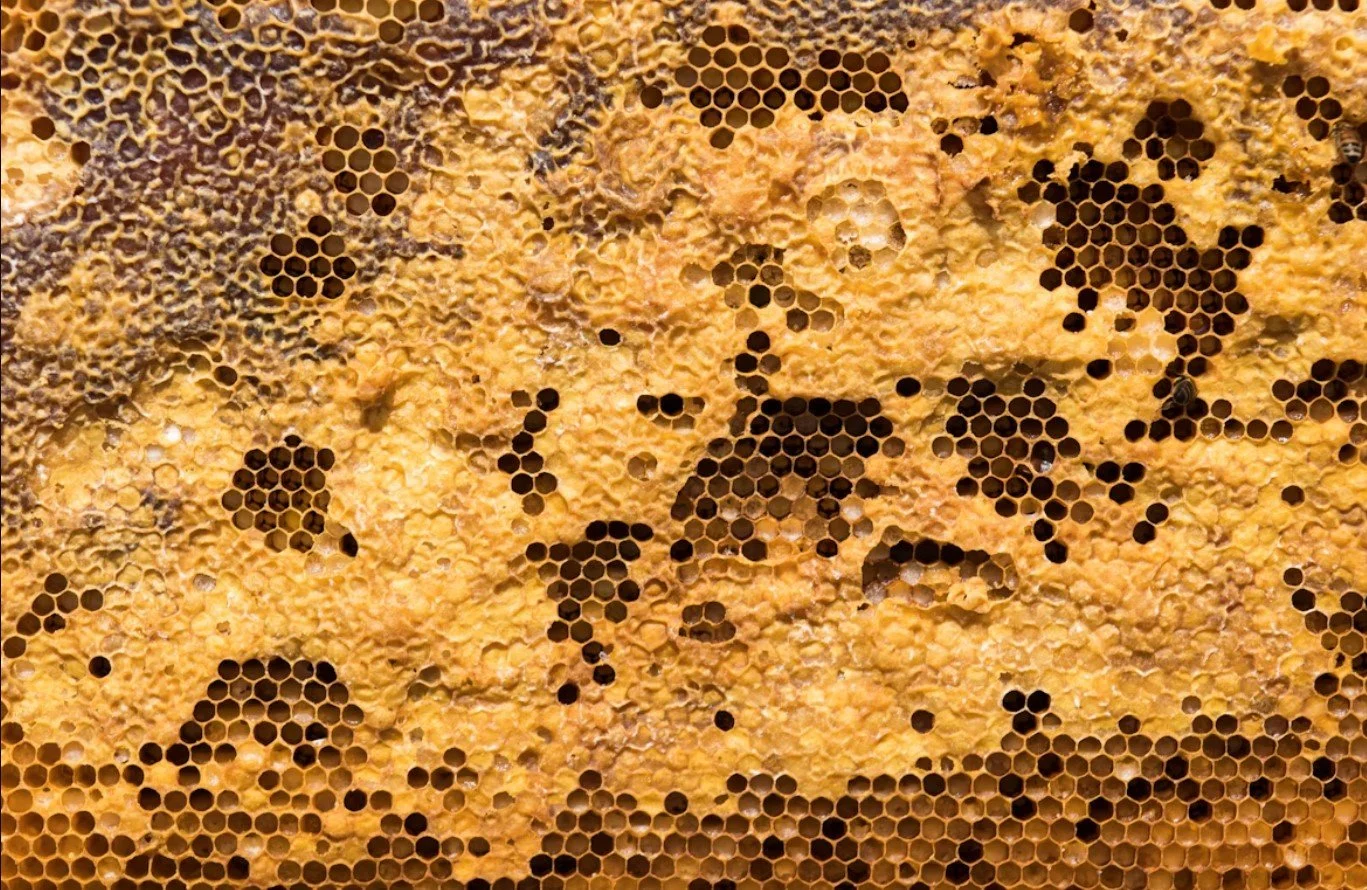
Beeswax is made by honeybees to build their honeycombs.
After it’s cleaned and purified, it becomes a soft, protective wax that’s widely used in skincare.
What makes it especially baby-friendly is how it behaves on the skin. Instead of soaking deeply into the skin, beeswax sits on the surface and forms a thin protective layer. That layer helps keep moisture in while shielding the skin from irritation, wetness, and friction.
Another big plus is that beeswax is unlikely to cause irritation. It doesn’t contain harsh chemicals, alcohol, or strong active ingredients.
Also Read: Can Babies Have Honey Graham Crackers?
That’s why it’s often recommended for sensitive skin - including newborn skin, which is about five times thinner than adult skin.
It also has mild antibacterial properties, which can help protect small cuts, scratches, or diaper-area irritation.
All of this makes it a pretty reliable ingredient for baby care when used properly.
Common Baby Products That Use Beeswax
You might be surprised at how often beeswax shows up in baby items. It’s one of those quiet, behind-the-scenes ingredients doing a lot of work.
You’ll commonly find it in:
Diaper rash creams and protective balms
Baby lotions and moisturizing ointments
Drool rash balms for chin and neck folds
Natural baby soaps
Lip balms safe for nursing parents and babies
The reason it appears in so many products is because it helps create a smooth texture while locking moisture into the skin.
Without it, many creams would either feel greasy or dry out too quickly.
It also helps products stay stable without needing heavy synthetic preservatives, which is a big reason natural baby brands love it.
Also Read: Baby Ate Styrofoam
Is Beeswax Safe If A Baby Puts It In Their Mouth?
This is one of the most common concerns parents have, and honestly, it makes sense. Babies put everything in their mouths. Hands, sleeves, toys, your phone - you name it.
The reassuring part is that beeswax is non-toxic.
If a baby accidentally ingests a tiny amount from a lip balm or from their fingers after applying a cream, it is not considered dangerous.
That said, beeswax is not meant to be eaten. It’s not digestible, so large amounts could potentially cause stomach discomfort or mild digestive upset.
But realistically, babies only come into contact with very small traces from skincare products, which is not harmful.
The bigger risk usually isn’t the beeswax itself, it’s the added ingredients mixed into the product, like fragrances or essential oils.
So the short version: small accidental exposure is safe, but it’s still meant for external use.
Also Read: Why Do Babies Like Tags?
Possible Risks To Be Aware Of
Beeswax is gentle, but nothing is completely risk-free.
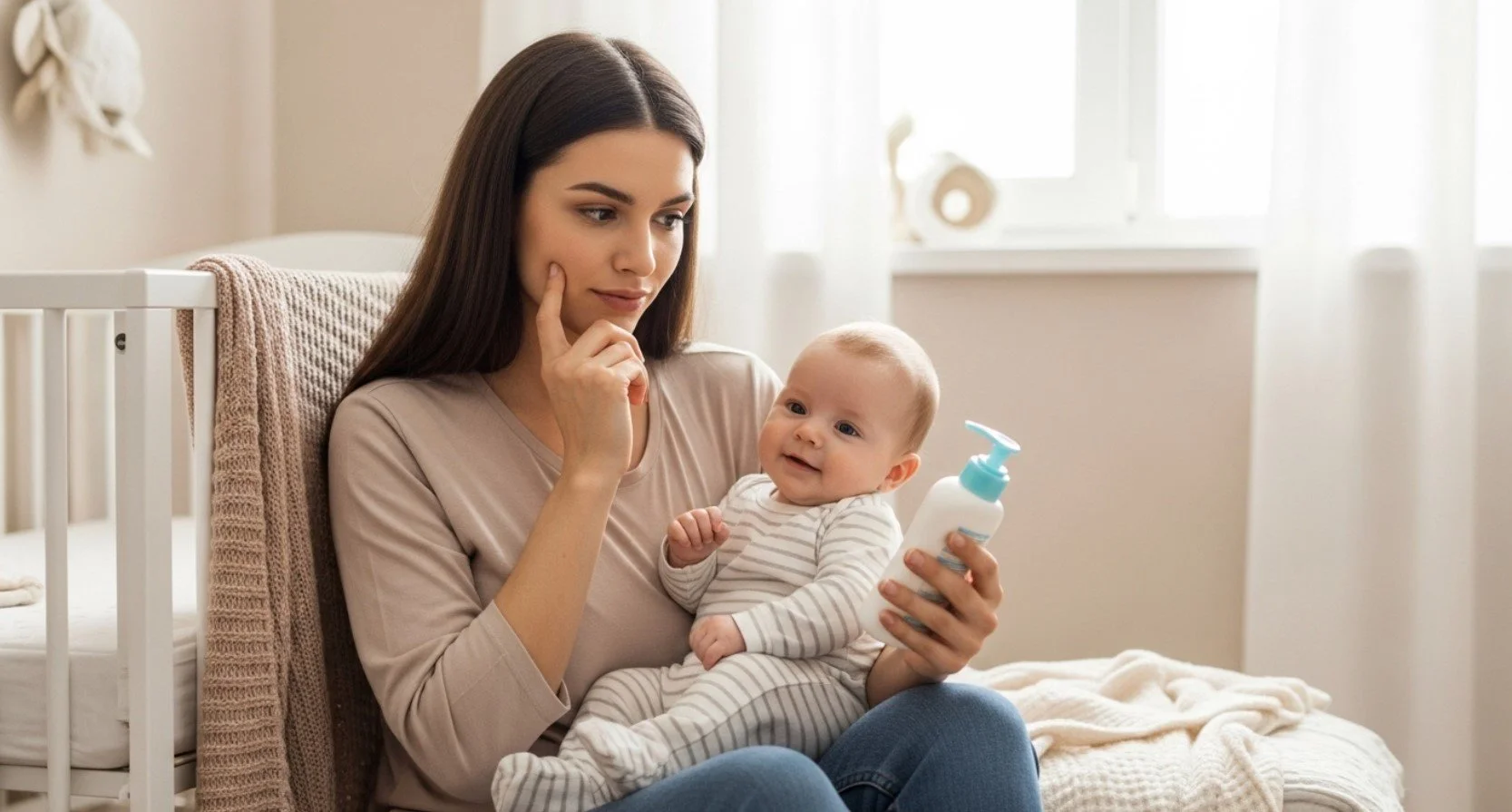
There are a few situations where extra caution helps. Here are the main things to keep in mind:
Allergic reactions are rare but possible
Added fragrances or essential oils can irritate baby skin more than beeswax itself.
Poor-quality products might contain impurities if the wax isn’t properly filtered.
Very thick balms can trap heat if used too heavily in hot weather.
Most of the time, when babies react to a product containing beeswax, it turns out the reaction is actually caused by another ingredient in the formula.
That’s why simple, minimal ingredient lists are always the safest bet for baby skincare.
When You Might Want To Skip Beeswax
Even though beeswax works well for most babies, there are a few situations where you might decide to skip it.
For example, some babies with severe eczema need special medicated creams that penetrate the skin deeply. Since beeswax forms a protective barrier, it can sometimes prevent those treatments from absorbing properly.
Also, if a baby has a confirmed allergy to bee products, it’s best to avoid beeswax entirely and choose plant-based alternatives like shea butter or coconut oil.
In very hot climates, thick beeswax balms can sometimes feel heavy and trap heat against the skin, which might worsen heat rashes.
In those cases, lighter lotions tend to be more comfortable.
And of course, if you notice redness, itching, or bumps after using a product, it’s always wise to stop using it and talk with a pediatrician.
How To Use Beeswax Products Safely On Babies
Using beeswax products safely is pretty straightforward, and you don’t need to overthink it.
A few simple habits can make a big difference:
Choose products labeled unscented and baby-specific
Do a small patch test before first use
Apply thin layers rather than thick coatings
Avoid using near the eyes or inside the nose
Store products in a cool place to prevent contamination
It’s also smart to avoid products that list strong essential oils like peppermint, eucalyptus, or tea tree. These can be too intense for infant skin and breathing.
When used correctly, beeswax products are extremely low-risk.
Bottom Line
Beeswax is one of the gentlest and safest natural ingredients commonly used in baby skincare. It helps protect delicate skin, lock in moisture, and reduce irritation - all without harsh chemicals.
For most babies, it’s completely safe when used in simple, well-formulated products.
Accidental small ingestion isn’t dangerous, and true allergies are very rare.
The main thing to watch isn’t the beeswax itself, but the extra ingredients mixed into it. Sticking to clean, fragrance-free formulas makes all the difference.
At the end of the day, beeswax is one of those quietly reliable ingredients that has stood the test of time.