Is Hey Bear Sensory Bad For Babies?
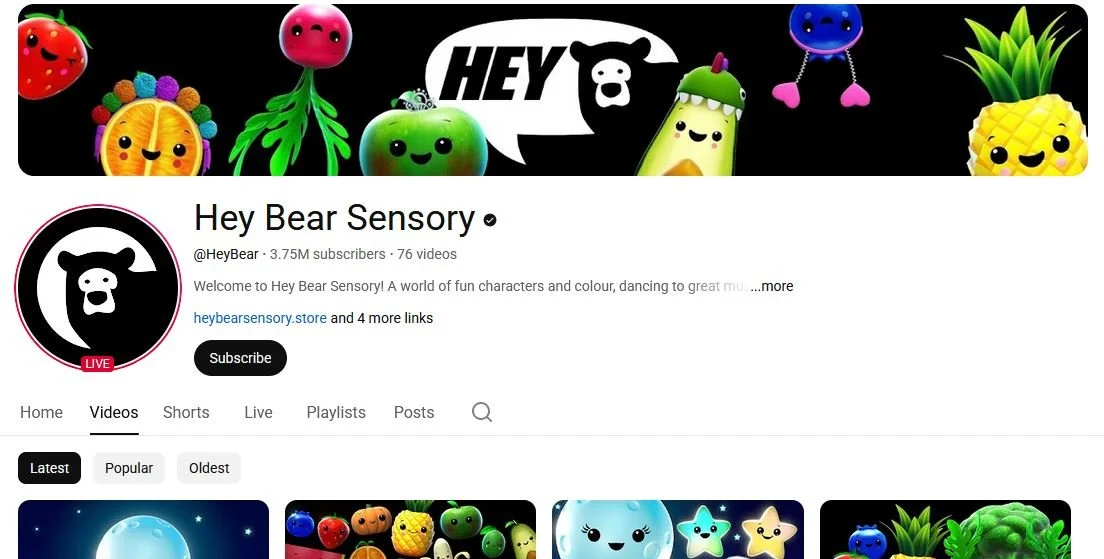
If you’re a parent of a baby, chances are you’ve crossed paths with Hey Bear Sensory.
Those bright dancing fruits have a way of grabbing a baby’s attention instantly, and honestly, sometimes that feels like a small miracle.
But right after the relief comes the question most parents don’t say out loud at first:
Is this actually okay for my baby?
In this post, I’ll explain if Hey Bear Sensory is bad for babies, why babies love it, what’s actually going on development-wise, and how to use it in a way that makes sense for real parents on real days.
Why Do Babies Like Hey Bear Sensory?
Babies don’t like Hey Bear by accident. It’s basically designed to hit all the things their developing brains naturally tune into.
At a very young age, babies are drawn to contrast, movement, and sound. Their vision is still figuring itself out, so bold colors and clear shapes are easier to process than subtle, realistic images.
Hey Bear uses simple animations that move in predictable ways.
Things bounce. They spin. They slide across the screen. That repetition feels comforting to a baby brain that’s constantly being flooded with brand-new information.
Add in gentle music with a steady rhythm, and you’ve got something that grabs attention fast and holds it.
There’s also the novelty factor. Screens are bright in a way real life usually isn’t. The colors pop. The movement never stops. For a baby, it’s fascinating in the same way ceiling fans and sunlight through curtains can be.
Also Read: Baby Shoulder Popping When Picked Up
So if your baby stares at Hey Bear like it’s the most important thing in the universe, that’s very normal.
Is Hey Bear Sensory Bad For Babies?
No, Hey Bear Sensory isn’t inherently bad. Nothing awful happens to your baby because they watched dancing pineapples for ten minutes.
There’s no evidence it causes direct harm in small amounts.
The concern isn’t about danger. It’s about balance.
Babies learn best through real interaction. Faces, voices, touch, movement, and messy, imperfect real life experiences do the heavy lifting when it comes to development.
Screens, even gentle ones, don’t offer that same back-and-forth engagement. A screen doesn’t respond to your baby’s coos, smiles, or cries. It just keeps playing.
So Hey Bear becomes a problem only when it starts replacing things babies actually need more of.
Used occasionally, it’s just a tool. Used constantly, it can crowd out better opportunities for learning and connection.
Pros Of Hey Bear Sensory
It’s easy to feel like you’re doing something wrong by even considering the upsides, but let’s be real for a second. Parents don’t use Hey Bear for no reason. It can genuinely help in certain moments.
Here are a few positives when it’s used sparingly:
It can calm a fussy baby long enough for you to reset, eat, or handle a quick task.
The high-contrast visuals encourage visual tracking, which is a normal developmental skill.
The music and repetition can feel soothing, especially for babies who get overwhelmed easily.
Notice the theme here. Short bursts. Occasional use. A support tool, not the main event.
That’s where these benefits live.
Also Read: Baby Says Mama When Crying
Potential Downsides Parents Should Know
One big concern is overstimulation.
Babies can only handle so much input before their nervous systems say, “That’s enough.”
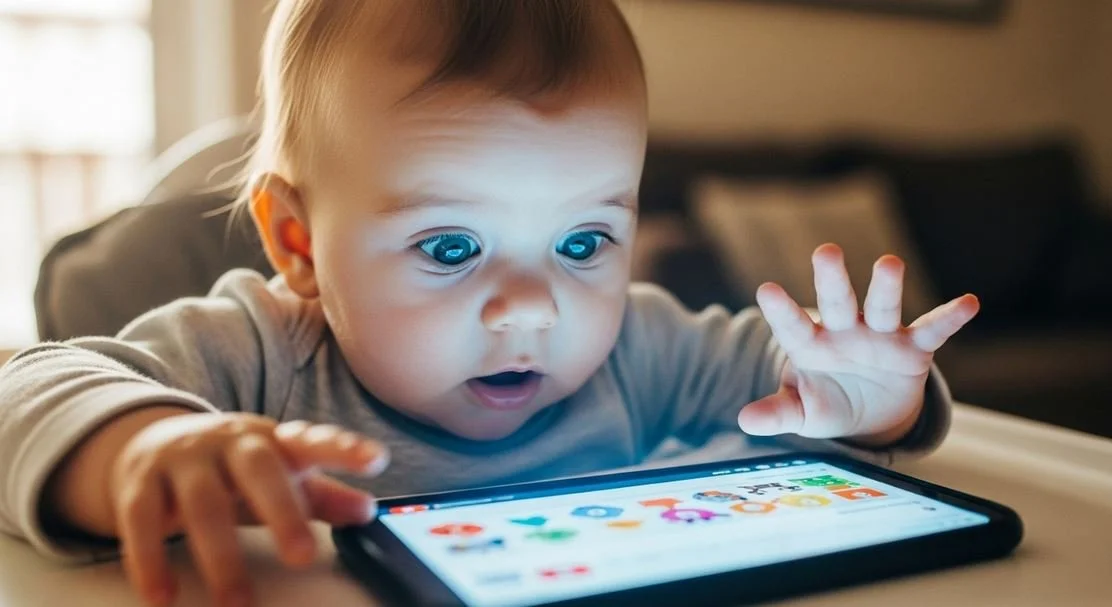
Fast movement, bright colors, and constant sound can tip some babies over that edge. You might notice this as fussiness, turning away from the screen, trouble settling afterward, or weirdly wired behavior when the video ends.
Another issue is passive engagement.
When a baby watches a screen, they’re not practicing skills like responding to facial expressions, making sounds back and forth, or exploring their environment with their body.
Those moments add up over time. If screen time starts replacing floor play, conversation, or cuddling, that’s when parents start to worry.
There’s also the slippery slope factor. Hey Bear works. And when something works during a hard moment, it’s tempting to lean on it more and more.
Before you know it, it’s part of every routine, and suddenly it’s doing a job it was never meant to do.
How To Watch Hey Bear Sensory Safely
If you’re going to use Hey Bear, and many parents do, a few simple habits make a big difference. You don’t need a complicated system or strict rules taped to the fridge.
First, keep sessions short.
If you’re using it to get through a diaper change meltdown or make a quick meal, that’s reasonable.
Second, pay attention to your baby’s cues. If they look away, stiffen up, or get cranky afterward, that’s useful information. Not every baby responds the same way.
Also Read: Blowing In Baby’s Face
Third, avoid using it as the default soothing method.
Babies benefit from learning how to calm with help from a caregiver, through rocking, singing, or just being held. Screens shouldn’t replace that.
Finally, don’t beat yourself up. Parenting isn’t a purity contest. Using a video occasionally doesn’t cancel out all the loving, interactive moments you give your baby every day.
Better Alternatives to Screen-Based Sensory Play
If what you really want is sensory stimulation without a screen, the good news is that babies don’t need fancy setups. Everyday life is already full of sensory experiences.
Talking to your baby, even narrating boring stuff like folding laundry, does more for their brain than any animation.
Singing, making silly faces, and responding to their sounds builds connection and communication skills at the same time.
Physical play matters too. Tummy time, gentle movement, and letting babies explore safe textures around the house can be incredibly engaging. Even simple things like crinkly paper, soft blankets, or a mirror can hold their attention longer than you’d expect.
And sometimes, doing absolutely nothing special is fine.
Babies don’t need constant stimulation. Quiet moments are part of healthy development too.
Bottom Line
Hey Bear Sensory isn’t bad in a doom-and-gloom way. It’s a tool. A very effective, very tempting tool.
Used occasionally and intentionally, it’s unlikely to cause harm. Used constantly or as a stand-in for interaction, it can start to crowd out better things.
If your baby watches Hey Bear once in a while and you’re still talking, playing, cuddling, and responding to them the rest of the day, you’re doing just fine.
So let the dancing fruit help you breathe for a minute if you need it. Just don’t let it raise your baby for you.