Toddler Suddenly Hates Grandma (Here’s Why)
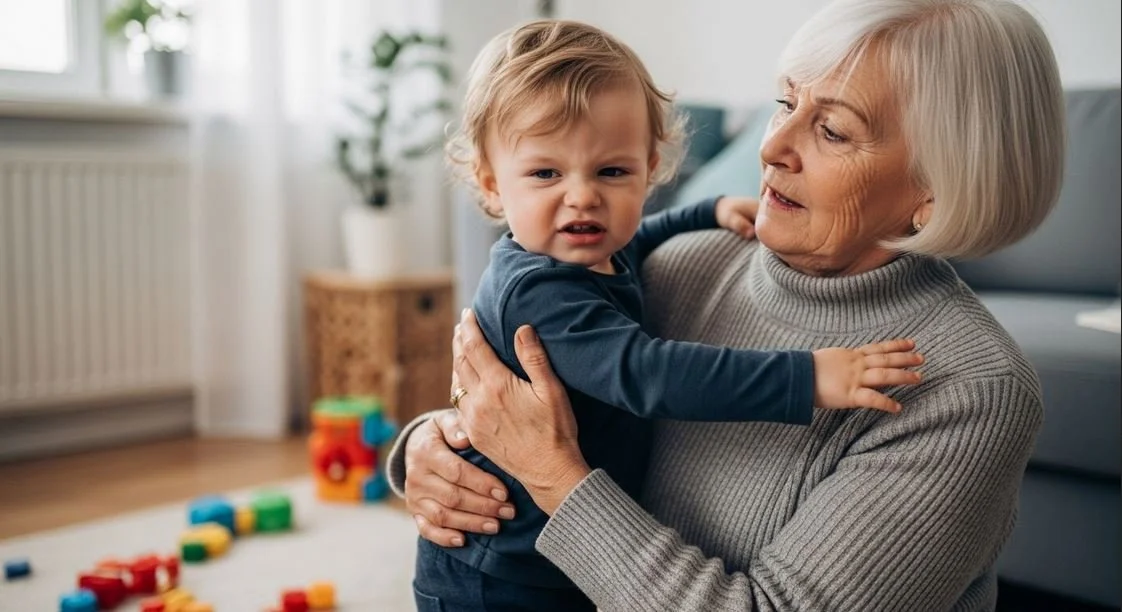
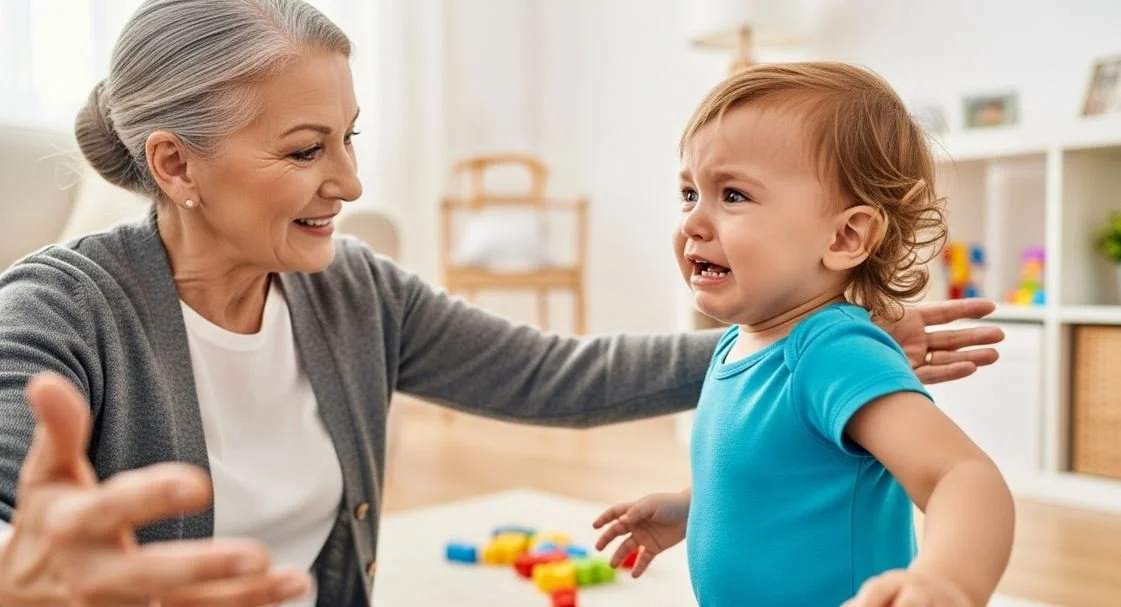
One day your toddler is happily running into grandma’s arms like she’s the best thing since snacks. The next day, they’re clinging to your leg, yelling “no grandma,” and acting like she just ruined their entire existence.
It’s confusing, uncomfortable, and honestly a little heartbreaking to watch, especially if grandma is loving and involved.
If you’re sitting there wondering what changed overnight, you can relax a bit.
This kind of behavior is surprisingly common in toddlers and usually has far more to do with development than anything grandma did.
In this post, I’ll explain why your toddler suddenly hates grandma, what actually helps, so family visits can feel calmer and less stressful for everyone involved.
#1 Developmental Preference Phases
Toddlers go through phases where they strongly prefer one person over everyone else.
Usually, that person is a parent or primary caregiver.
During these phases, everyone else can suddenly feel… rejected. Even beloved grandparents.
A toddler’s brain is wired for safety, familiarity, and emotional comfort. When they’re growing fast and learning new skills, they often cling hard to the person who feels most predictable.
That attachment can get intense, and anyone outside that bubble might be pushed away for a while.
Grandma just happens to be the one standing there when the preference phase hits. Last month it might’ve been dad. Next month it could be a babysitter.
Toddlers rotate targets like it’s part of the curriculum.
And yes, it can flip back just as suddenly as it started.
Also Read: Is Hey Bear Sensory Bad For Babies?
#2 Separation Anxiety Making A Comeback
Separation anxiety isn’t a one-time phase that shows up in babyhood and then politely leaves forever. It can come back in waves during toddler years, especially during growth spurts, schedule changes, or emotional leaps.
Grandma often becomes the symbol of separation.
Even if she’s sweet and familiar, she might be associated with:
You leaving the room
A change in routine
Being watched while you do something else
Your toddler’s brain connects grandma with that uneasy feeling, not because grandma caused it, but because toddlers think in emotional snapshots, not full explanations.
So the reaction becomes loud and dramatic.
That’s how toddlers communicate discomfort. They don’t say, “I’m feeling insecure today.” They scream instead.
#3 Toddlers Craving Control And Independence
This is the age of power struggles. Toddlers are learning they are separate humans with opinions, preferences, and the ability to say no.
And wow, do they enjoy using that skill.
Refusing grandma can feel empowering. It’s a clear, visible choice. It gets a reaction. It proves they’re in charge of their body and their space. That doesn’t mean they dislike her - they’ve discovered autonomy and are stress-testing it in real time.
Saying no to grandma might be easier than saying no to a parent.
The emotional stakes feel lower. Grandma is safe. So she becomes the testing ground.
Unfair? Definitely. Normal? Completely.
Also Read: Baby Shoulder Popping When Picked Up
#4 A Small Moment That Felt Big To A Toddler
Sometimes there really is a trigger, but it’s usually something adults would never think twice about.
Toddlers don’t measure experiences the way we do. They remember how something felt, not how minor it seemed. It could have been:
Grandma correcting them once
A louder voice than they expected
A hug when they weren’t ready
A strong perfume or unfamiliar smell
None of this means grandma did something wrong. It just means your toddler stored that moment in their emotional memory and decided, “Hmm, not sure about this right now.”
That memory can fade. It just takes time and low-pressure interactions.
#5. Overstimulation During Visits
Grandparents love big. There’s excitement, questions, gifts, affection, stories, and lots of attention all at once.
For some toddlers, especially sensitive or introverted ones, that can be a lot to handle.
When toddlers feel overwhelmed, they don’t say, “I need less stimulation.” They act out. They push away. They cry. They reject the source of the overload, even if that source is loving and well-intentioned.
Slower energy, quieter interactions, and fewer expectations can make a huge difference here.
Is This Normal Or A Red Flag?
Most of the time, this behavior falls squarely in the normal toddler category.
It’s part of emotional development, attachment, and boundary testing.
That said, pay closer attention if the behavior comes with intense fear, ongoing distress, regression in other areas, or panic that doesn’t ease over time.
Those situations are less common, but worth discussing with a pediatrician or child development professional.
In everyday cases, though, your toddler suddenly hating grandma is just a phase that feels heavier because adults bring feelings into it.
Also Read: Baby Says Mama When Crying
What Not To Do When A Toddler Hates Grandma
This part matters more than people realize. How adults react can either shorten the phase or accidentally make it stick around longer.
Here are a few things to avoid:
Forcing hugs, kisses, or lap time
Scolding or shaming the toddler for their feelings
Saying things like “You’re hurting grandma’s feelings”
Making a big emotional scene out of the rejection
Pressure tends to backfire with toddlers. It increases anxiety and turns grandma into the center of conflict, which is exactly what you want to avoid.
What Actually Helps Repair The Relationship
The goal is to rebuild comfort. That happens best when the toddler feels in control and emotionally safe.
These few approaches that really help:
Let grandma take a step back and follow the toddler’s lead
Encourage side-by-side activities instead of direct attention
Keep your own reaction calm and neutral
Allow the toddler to approach in their own time
When grandma becomes a quiet, predictable presence instead of a focus point, toddlers often warm back up naturally. Sometimes shockingly fast.
How Long Does This Phase Usually Last?
This varies, but most of these phases last weeks.
Some resolve in a few days. Others hang around longer, especially if there are ongoing changes or stressors in the toddler’s world.
What’s funny, and slightly maddening, is how suddenly it can end. One day your toddler refuses to be in the same room as grandma. The next day they’re asking for snacks, hugs, and help with toys like nothing ever happened.
That’s toddler logic for you.
Bottom Line
If your toddler suddenly “hates” grandma, it doesn’t mean the bond is broken and it doesn’t mean grandma failed. And it definitely doesn’t mean this will last forever.
This is toddler development doing what it does best: being intense, confusing, and deeply inconvenient for adult emotions.
With patience, low pressure, and a calm approach, most toddlers circle right back around.
And when they do, grandma will likely be their favorite person again. Until the next phase hits.