Toddler Ate Apple Seeds (Should I Be Worried?)
If you’ve ever handed your toddler a slice of apple and then suddenly thought, “Wait… did I take all the seeds out?”- welcome to the club.
This moment usually hits right after you see that tiny mouth chewing confidently, while your brain starts running through every scary thing you’ve ever heard about apple seeds and poison.
Take a breath. Seriously.
A toddler eating apple seeds is generally harmless.
In this post, we’ll walk through what apple seeds are made of, how risky they actually are for toddlers, what signs matter, and what to do next.
What Are Apple Seeds Made Of?
Apple seeds contain a compound called amygdalin.
Amygdalin is a naturally occurring substance found in the seeds of apples, peaches, cherries, and a few other fruits. When amygdalin gets broken down in the body, it can release cyanide.
Now before your heart rate spikes, here’s the important part:
The amount of cyanide released from a few apple seeds is incredibly tiny.
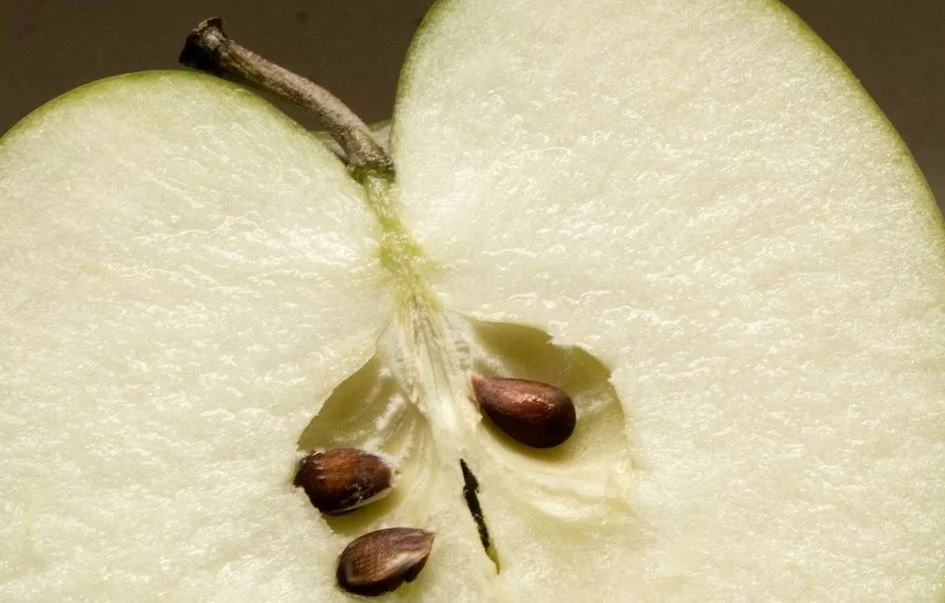
Plus, apple seeds are pretty tough. If they’re swallowed whole (and toddlers often swallow things without chewing much) the body usually doesn’t even break them down enough to release much of anything.
In other words, the danger isn’t automatic. It’s all about quantity and how the seeds were eaten. A couple of accidentally swallowed seeds are very different from a large amount that’s been chewed thoroughly.
So yes, apple seeds contain something that sounds scary. But no, that doesn’t mean a toddler eating a few seeds equals an emergency.
Also Read: Baby Poop Smell Like Fish
How Dangerous Are Apple Seeds for Toddlers?
For apple seeds to cause real harm, a toddler would need to eat a lot of them.
Not one seed. Not two. Not even the few that might be hiding in the core of a sliced apple.
We’re talking about a much larger number, and they would need to be chewed well enough for the compound inside to be released.
That combination is actually pretty unlikely for most toddlers, especially during a normal snack.
The main things that influence risk are:
Number of seeds eaten
How the seeds were consumed (chewed vs. swallowed whole)
The child’s size and age
In everyday situations, most toddlers who eat a couple of apple seeds don’t experience any symptoms at all. Their bodies handle it just fine.
This is why pediatricians usually focus more on observation than panic when this happens.
That said, apple seeds aren’t something to ignore completely. They’re just not the ticking time bomb they’re sometimes made out to be.
Also Read: Dropped Phone On Baby’s Head
Signs to Watch For
Even though problems are rare, it’s still smart to keep an eye on your toddler after something like this. Think of it as gentle monitoring, not hovering in full emergency mode.
Here are symptoms that would deserve medical attention if they appeared:
Vomiting or nausea that doesn’t settle
Trouble breathing or rapid breathing
Extreme tiredness or unusual sleepiness
Dizziness or acting very off compared to normal behavior
Again, these signs are uncommon with small amounts.
Most parents never see anything at all. But if something feels clearly not right, trusting your instincts is always a good move.
What To Do If Toddler Ate Apple Seeds
First things first: don’t try to make your toddler throw up. That’s outdated advice and can actually cause more problems.
Instead, offer some water. Let them go about their day. Keep an eye on them for a few hours, just like you would after any minor food concern.
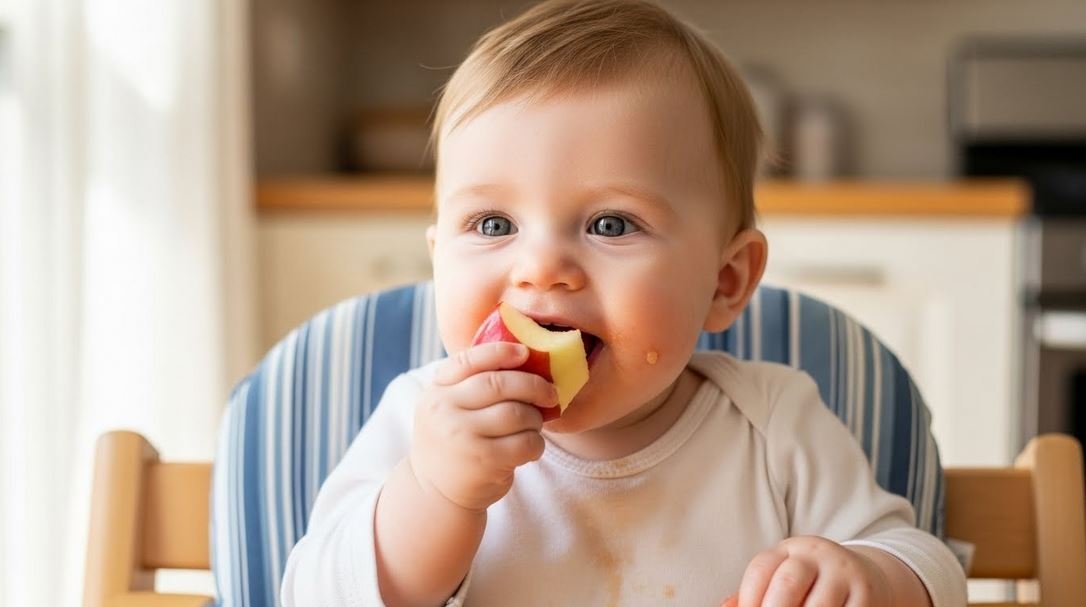
If you’re feeling unsure or anxious (and honestly, that’s totally understandable) you can always call your pediatrician or a poison control center. They’re used to questions like this and can give reassurance based on the details.
What usually helps in the moment:
Staying calm so your toddler stays calm
Offering fluids
Observing for any unusual behavior
Most of the time, nothing else is needed.
Also Read: Aupair Vs Nanny
How To Make Sure It Never Happens Again
Once the initial scare passes, many parents start thinking ahead. You don’t want to relive that sudden “oh no” feeling every time apples come out.
The good news is that preventing this is pretty easy.
A few small habits can make a big difference, especially during busy snack times.
One simple approach includes:
Cutting apples into slices and removing the core completely
Offering peeled and sliced apples to younger toddlers
Keeping whole apples out of reach unless supervised
As kids get older, they can learn not to eat seeds, but toddlers are still in that experimental phase. They explore first and ask questions later. Adjusting food prep a little goes a long way.
Bottom Line
A toddler eating a few apple seeds is almost always not a big deal.
It feels scary because of what we associate with the word “cyanide,” but real-world risk from a couple of seeds is very low.
Watch your child. Trust your instincts. Reach out to a medical professional if something seems off. And then let yourself relax a bit.
Parenting is full of moments like this - tiny scares that teach us something new and remind us that kids are resilient, curious, and surprisingly tough. You’re doing just fine, even on days when apple seeds try to steal your peace.