Toddler Ate Kinetic Sand? (Here’s What To Do)
If your toddler just ate kinetic sand, you're probably feeling a mix of panic and confusion.
The good news is that, in most cases, swallowing a small amount of kinetic sand isn't dangerous. Still, it's important to know what to do next, what symptoms to watch for, and when it's time to call a doctor.
In this guide, we'll walk you through everything you need to know so you can handle the situation.
What Is Kinetic Sand Made Of?
Kinetic sand is a type of sensory toy that feels soft, moldable, and almost magical.
Unlike regular beach sand, it sticks together without making a huge mess, which is one of the reasons kids love playing with it.
Most kinetic sand is made from two main ingredients: very fine sand and a small amount of silicone-based oil or another non-toxic binding agent.
This coating gives the sand its unique texture and allows it to hold its shape while still flowing through your fingers.
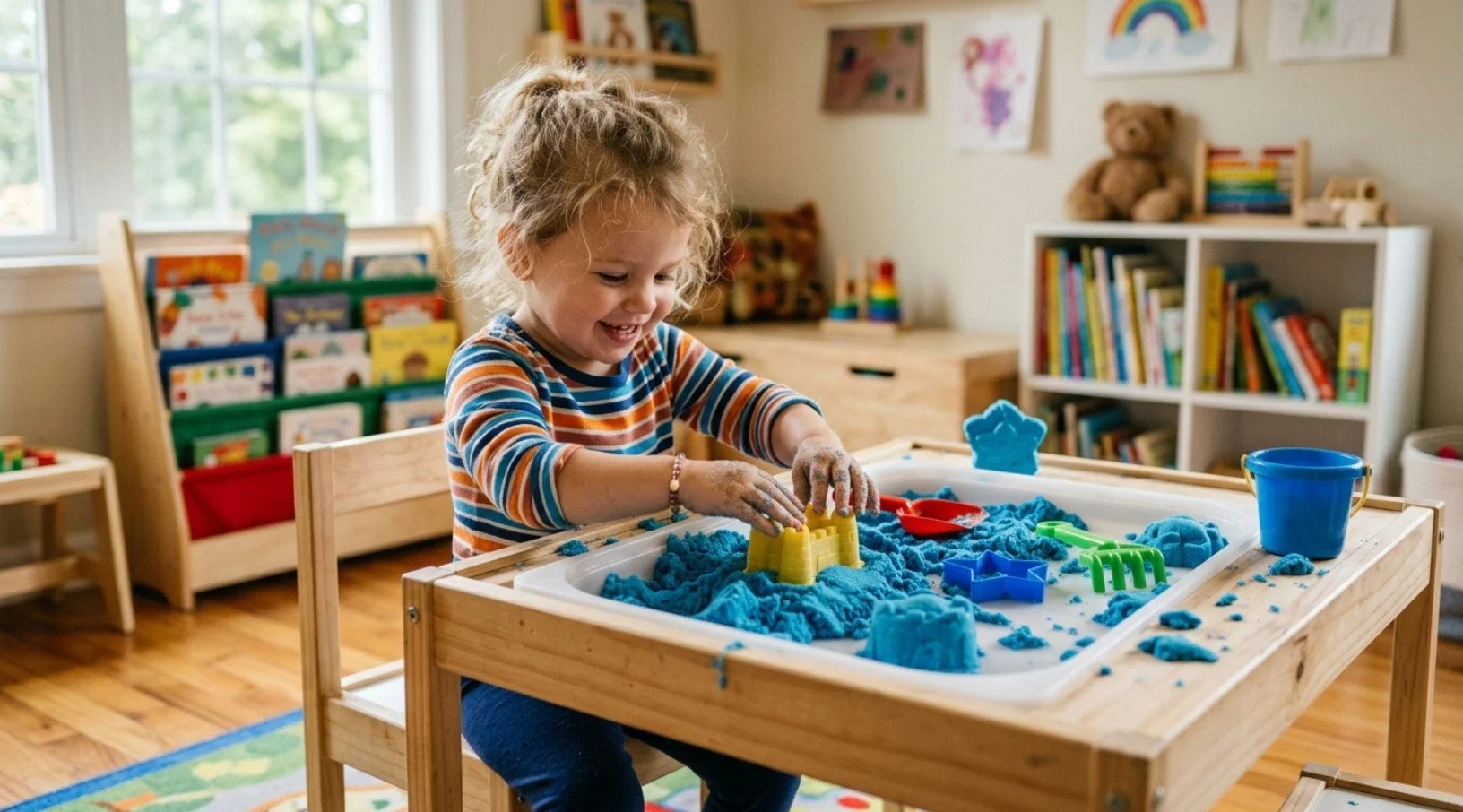
Even though the ingredients are generally considered non-toxic, that doesn't mean kinetic sand is safe to eat. Eating it can still irritate the digestive system, especially if a child swallows more than just a tiny taste.
Also Read: Is Play-Doh Toxic?
Is It Dangerous If A Toddler Ate Kinetic Sand?
Swallowing a tiny amount of kinetic sand is unlikely to cause serious harm.
Many children simply end up with no symptoms at all or might have a mild stomach ache that goes away on its own.
The amount matters, though.
A quick lick or a small pinch is very different from eating a handful. Larger amounts can increase the chance of stomach discomfort or even create a blockage if enough sand builds up in the digestive tract.
It’s uncommon, it's still something to keep in mind.
Another concern isn't just swallowing the sand but breathing it in. If your toddler coughed while the sand was in their mouth or seemed to choke, some of the particles could have entered the airway instead of the stomach.
That situation deserves closer attention because it can lead to breathing problems.
So, while most cases turn out just fine, it's always worth keeping an eye on your child for the next several hours.
Also Read: Toddler Ate ChapStick
What To Do If A Toddler Ate Kinetic Sand?
The first thing to remember is not to panic. Seeing your child eat something they shouldn't is scary, but staying calm will help you think clearly and comfort your little one.
Here are the first steps to take:
Remove any remaining sand from your toddler's mouth and have them rinse with water if they're old enough.
Offer a few sips of water to help wash away any leftover particles.
Don't try to make your child throw up, as this can increase the chance of choking.
Watch your toddler closely over the next 24 hours for any unusual symptoms.
If you know the product packaging, keep it nearby in case a healthcare provider wants to know the brand or ingredients.
If your toddler seems perfectly happy afterward and only swallowed a tiny amount, there's a good chance nothing more will happen.
Still, a little extra observation never hurts.
Symptoms To Watch For
Most toddlers won't have any problems after eating kinetic sand, but it's still a good idea to know what signs deserve attention.
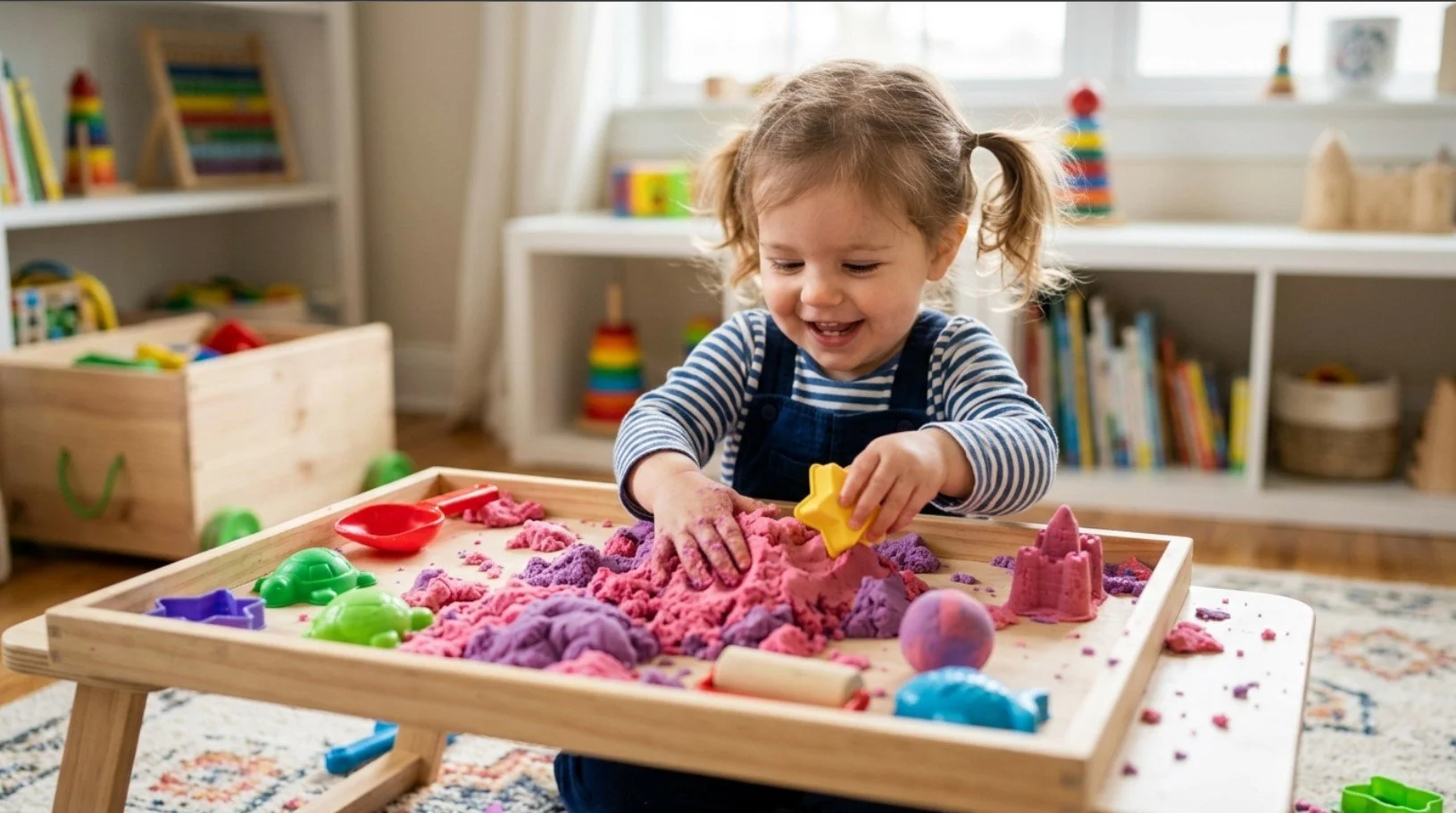
Mild symptoms can include a brief stomach ache, slight nausea, or a temporary change in bowel movements. These often settle on their own without treatment.
More concerning symptoms include:
Repeated vomiting.
Severe or persistent stomach pain.
A swollen or bloated belly.
Coughing that won't stop.
Difficulty breathing or noisy breathing.
Excessive sleepiness or unusual behavior.
Refusing to eat or drink for several hours.
If your child starts coughing immediately after putting the sand in their mouth, pay close attention. Persistent coughing can sometimes suggest that a small amount entered the airway instead of the stomach.
Also Read: Can You Exchange Diapers At Walmart?
It's also worth remembering that toddlers don't always explain how they're feeling.
A child who suddenly becomes very fussy, unusually quiet, or less active than normal may be trying to tell you something isn't right.
When To Seek Medical Help
Most accidental tastes of kinetic sand can be managed at home, but there are times when it's best to get professional advice.
Call your healthcare provider if your toddler swallowed a large amount of kinetic sand, develops ongoing stomach pain, keeps vomiting, or simply doesn't seem like themselves.
It's always okay to ask for guidance, even if you're unsure how much was eaten.
Also seek emergency medical care right away if your child has trouble breathing, starts choking, turns blue around the lips, becomes difficult to wake, or has severe abdominal pain.
These symptoms shouldn't be ignored and need immediate evaluation.
If possible, bring the kinetic sand container or take a photo of the label before heading to a clinic or emergency department.
How To Avoid This In The Future
You probably can't stop toddlers from trying to taste random things altogether. Exploring the world with their mouths is simply part of how many young children learn.
Still, there are a few simple ways to lower the chances of another surprise snack.
Choose sensory toys that match your child's age, and always supervise play with materials that could end up in little mouths.
If your toddler is still in the habit of tasting everything, save kinetic sand for a little later or enjoy it together so you can step in quickly if needed.
When playtime is over, store kinetic sand in a sealed container and keep it out of reach.
Cleaning up loose pieces from the floor is also a good habit, especially if younger siblings crawl around the house.
And keep reminding your toddler that toys are for playing, not eating.
Bottom Line
Finding your toddler ate kinetic sand can definitely make your heart skip a beat, but the situation is usually much less serious than it first appears.
Most children who swallow a small amount don't experience anything worse than a mild upset stomach, if they have symptoms at all.
Stay calm, offer some water, and keep an eye on your child throughout the day.
If they develop concerning symptoms or you think they ate a large amount, don't hesitate to contact your healthcare provider or seek emergency care.
Accidents happen, especially with curious toddlers.