Is Play-Doh Toxic? (Explained)
If you’ve ever caught a child sneaking a bite of Play-Doh, your brain probably jumps straight to panic mode. It looks colorful, smells kind of sweet, and honestly, it’s not the weirdest thing a kid has tried eating.
The good news is that standard Play-Doh is generally considered non-toxic, but that doesn't mean it's completely risk-free.
In this post, I’ll go over what's actually in Play-Doh, what can happen if children or pets eat it, and what steps to take if an accidental taste turns into more than just a nibble.
What Is Play-Doh Made Of?
Play-Doh is basically a simple modeling compound.
The classic version from Play-Doh is mostly made from water, salt, flour, and a few binding and coloring ingredients that help it stay soft, squishy, and moldable.
That high salt content is actually a big reason it’s not meant to be eaten.
It helps preserve the dough so it doesn’t go bad quickly, but it also makes it taste extremely unpleasant, which is kind of intentional.
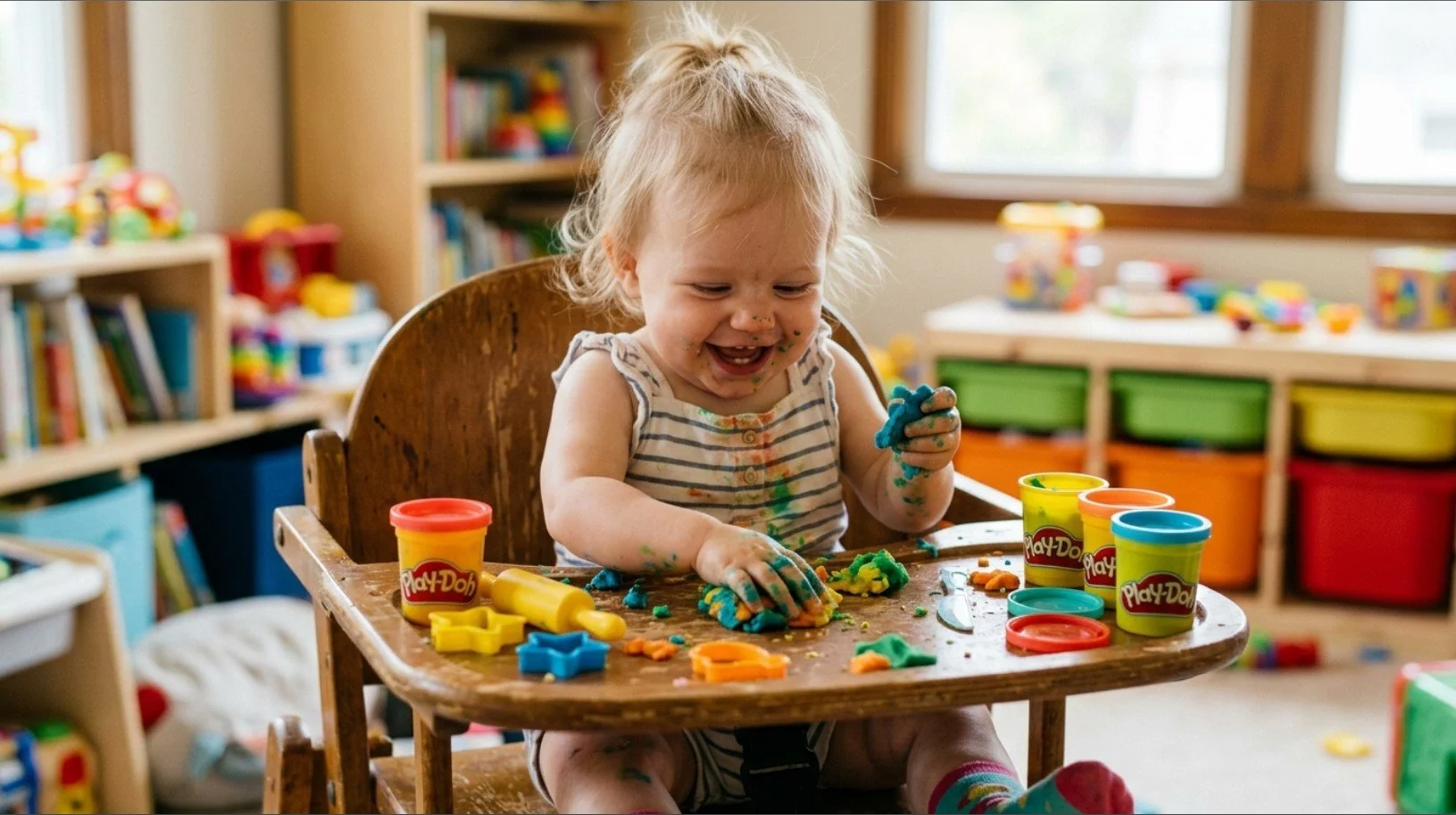
There are also different versions and scented variations.
So while the ingredients aren’t “toxic” in the dramatic sense, it’s still not food, and your stomach definitely doesn’t love large amounts of it.
Is Play-Doh Toxic to Children?
Play-Doh is considered non-toxic in small accidental amounts for younger children.
That means if a child takes a tiny bite or gets a bit in their mouth while playing, it’s usually not a medical emergency.
Also Read: Baby Ate Play-Doh
The body typically handles small amounts without serious issues, but there might be mild reactions like stomach discomfort or nausea simply because of the salt and the doughy texture.
The real concern isn’t poison-level toxicity, it’s more about:
Eating larger quantities (which can upset the stomach)
Habitual swallowing instead of playing
Mixing it with other small objects (which can increase choking risk)
Is Play-Doh Toxic To Babies And Toddlers?
With babies and toddlers, the situation needs a bit more attention, not because Play-Doh becomes toxic, but because their bodies and behaviors are different.
Younger kids explore the world with their mouths, so accidental tasting is more likely.
A small lick or bite is still usually not dangerous, but toddlers are also more sensitive to salt intake, and their smaller bodies react faster.
There’s also the choking angle. Soft as it is, Play-Doh can still form small chunks, and anything that blocks a young child’s airway is a serious risk.
That’s why supervision really matters during playtime.
So Play Doh is not poisonous, but it definitely isn’t something to leave unsupervised with very young kids.
Is Play-Doh Toxic To Pets?
Now this is where things get a bit more serious, especially with dogs.
While Play-Doh isn’t toxic in the traditional sense for pets either, the high salt content can be a problem if a dog eats a decent amount.
Dogs are more sensitive to sodium than humans, and too much salt can lead to symptoms of salt poisoning.
Also Read: Awesome Play Doh Alternatives
That can look like:
Vomiting or diarrhea
Excessive thirst
Lethargy or weakness
In more severe cases, tremors or seizures
Small accidental licks usually aren’t a big deal, but if a pet manages to eat a lump of it, it’s worth monitoring closely or calling a vet.
Cats are less commonly affected simply because they’re less likely to eat it, but the same basic concern applies.
So again, not “toxic” like poison, but not harmless either if consumed in quantity.
Can Play-Doh Cause Allergic Reactions?
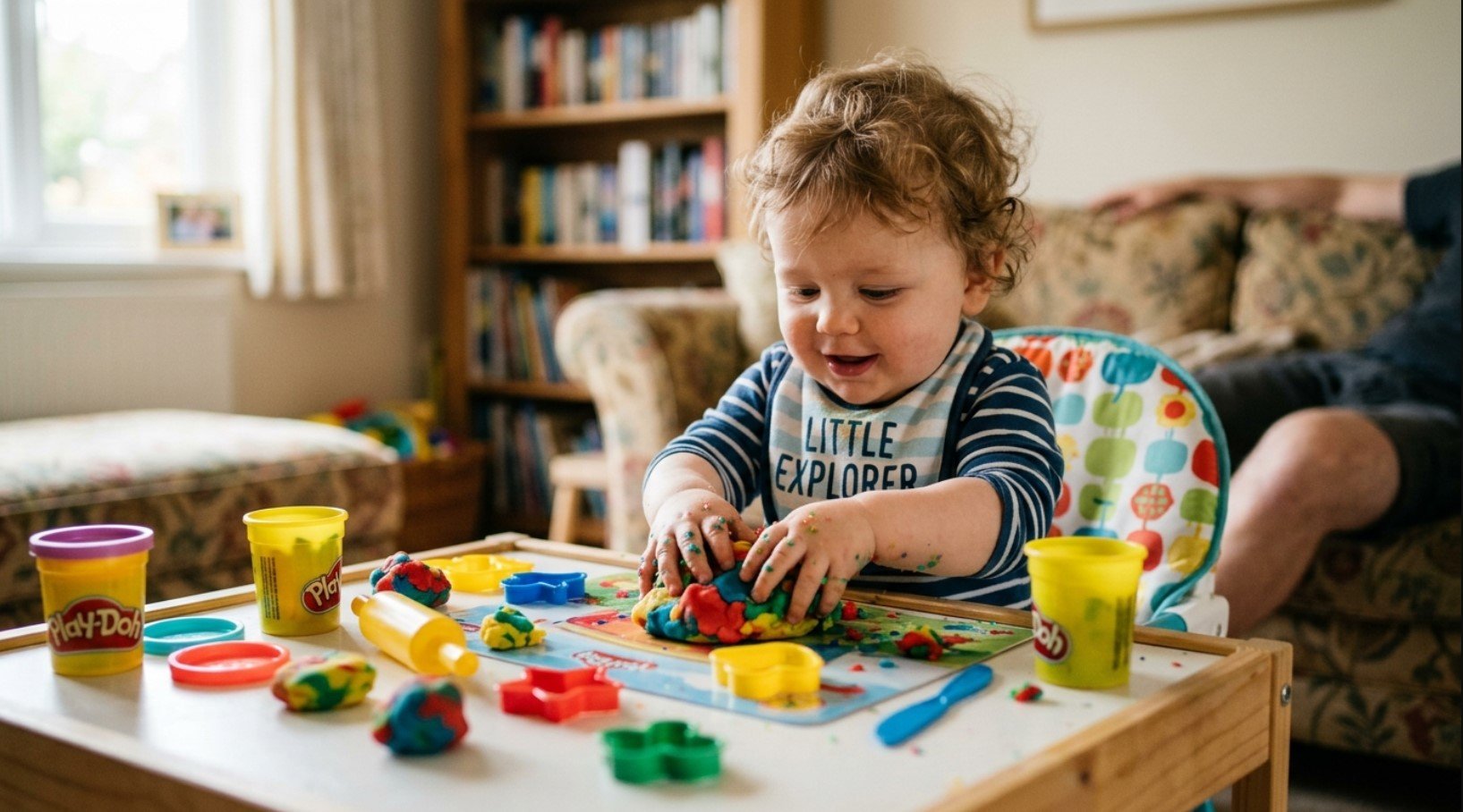
Most people don’t have issues with Play-Doh, but allergies are always a possibility with anything made from food-based ingredients.
Since it contains wheat, people with gluten or wheat allergies could react if they handle it frequently or accidentally ingest it.
Symptoms might include skin irritation, itching, or stomach discomfort.
That said, serious allergic reactions are pretty rare with Play-Doh, and most kids play with it without any trouble at all.
If someone in the house has known sensitivities, it’s just smart to wash hands after play and avoid putting it near the mouth entirely.
Also Read: Toddler Ate ChapStick
What Should You Do If Someone Eats Play-Doh?
This is usually where people expect a dramatic answer, but most of the time, the response is pretty calm and practical.
If a small amount is eaten:
Offer water to help wash it down
Monitor for mild stomach upset
No need to panic, it usually passes without issues
If a larger amount is eaten, or if it’s a child or pet, then it’s better to pay closer attention.
You’re watching for symptoms like vomiting, unusual sleepiness, or signs of discomfort.
For pets especially, or if symptoms show up, contacting a vet is the safest move. For children, you can also reach out to a medical professional or poison control for reassurance.
Small accidental bites are common and usually harmless, but larger amounts are where you should step in.
Bottom Line
The classic Play-Doh is designed to be non-toxic, and tiny accidental ingestion usually isn’t dangerous for children. The same goes for pets in very small amounts, although dogs can run into trouble if they eat a lot because of the salt content.
It’s not food, though, and it’s definitely not something meant for eating.
It's safe to handle, sculpt, squish, and occasionally get on the table and floor… but not the snack bowl.
Supervision and simple habits like handwashing go a long way, and that’s really all it takes to keep Play-Doh play fun and low-stress.