Why Is My Two Month Old Drooling So Much?
If your 2-month-old suddenly seems to drool nonstop, you’re definitely not alone.
One day your baby is mostly dry, and the next you’re changing bibs every hour and wondering how someone so small can possibly produce that much saliva.
The good news is that heavy drooling at this age is usually very normal.
In this post, I’ll explain why your 2-month-old may be drooling so much and when it might be worth checking in with your pediatrician.
#1. Their Salivary Glands Are Starting To Work More
Around the 2-month mark, babies’ salivary glands start becoming much more active. During the newborn stage, they don’t produce a huge amount of saliva.
But after a few weeks, things begin to ramp up pretty quickly.
The funny thing is that their mouths are suddenly making more saliva than they can actually manage.
This extra saliva is part of normal development. It helps with digestion and later becomes important for chewing and swallowing food. Your baby’s body is basically practicing for future milestones long before they actually need them.
At this stage, though, all that saliva usually ends up on their chin instead of staying in their mouth.
Also Read: 6 Month Old Not Sleeping Through The Night
#2. They Haven’t Learned To Swallow Saliva Properly Yet
Adults swallow saliva constantly without even noticing.
Babies haven’t mastered that skill yet.
A 2-month-old is still learning how to coordinate sucking, swallowing, breathing, and moving their tongue around.
That’s a lot for such a tiny person. Because of that, saliva often pools in the mouth and dribbles out before they can swallow it properly.
This is especially noticeable when babies are lying on their backs or relaxing after feeds.
You might notice:
Wet cheeks and neck folds
Tiny drool bubbles
Damp pajamas after naps
Spit mixed with milk
As messy as it looks, this stage is incredibly common.
So this could be the reason your two month old is drooling so much.
#3. They’re Discovering Their Mouth And Hands
At around 2 months old, babies become much more interested in their own hands and mouths. Suddenly their fists are constantly near their face, and they start sucking on fingers like it’s their new favorite hobby.
This sensory exploration is a huge developmental step. Babies learn about the world through touch and taste very early on, so putting hands in their mouth is completely normal.
All that chewing and sucking also stimulates more saliva production.
So the more they explore, the more drool you tend to see.
You may also notice funny little behaviors starting around this age, like lip smacking, blowing bubbles, or making tiny spit noises. Babies seem oddly entertained by all of it.
Honestly, they’re basically tiny scientists experimenting with their own mouths all day long.
Also Read: Baby Awake In Crib Not Crying
#4. Teething
Drooling and teething get linked together all the time, so it’s natural to assume teeth are coming in. At 2 months old, though, teething usually isn’t the main reason for all the slobber.
Most babies start teething closer to 4 to 7 months.
Still, some babies begin earlier, so it’s not impossible.
If teething is starting early, you might notice extra fussiness, swollen gums, or a strong urge to chew on everything nearby.
But drooling alone doesn’t automatically mean a tooth is about to appear next week.
A lot of babies drool heavily for months before their first tooth finally shows up.
#5. Reflux Or Spit-Up
Reflux is another reason your two month old is drooling so much.
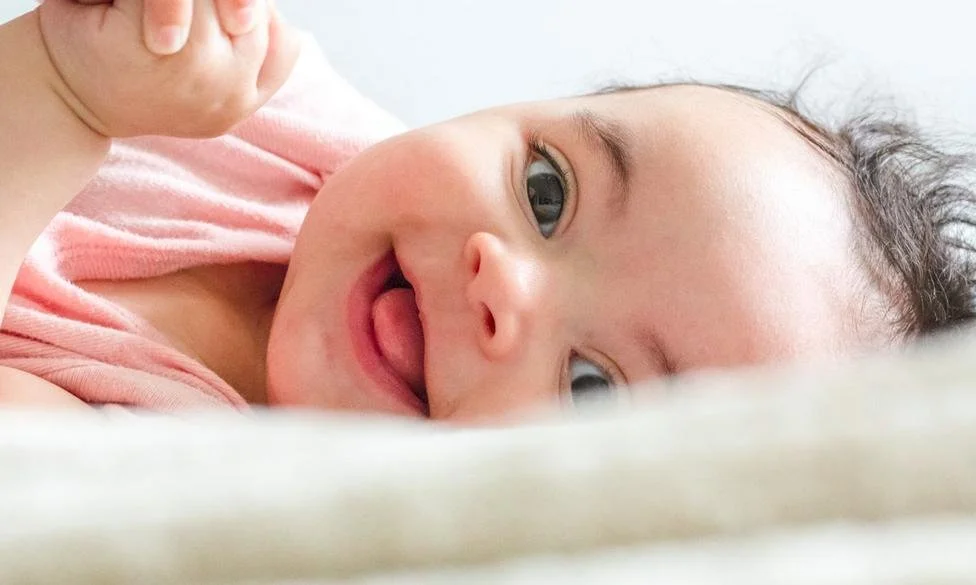
Some babies who have reflux or frequent spit-up also seem to drool more than others. Their digestive systems are still immature at this age, so milk can easily come back up after feeds.
When reflux happens, babies sometimes produce extra saliva as a protective response.
You may notice more drooling along with:
Frequent spit-up
Arching during feeds
Coughing after eating
Fussiness when lying flat
Mild reflux is very common in young babies and often improves naturally as they grow.
Of course, if your baby seems very uncomfortable or struggles with feeding, it’s always a good idea to check with your pediatrician.
#6. Feeding Can Trigger Extra Saliva
Feeding itself can stimulate saliva production too.
Some babies drool a lot during or right after breastfeeding or bottle feeding simply because their mouth is extra active.
Milk mixed with saliva can sometimes look like your baby is drooling way more than they actually are.
Add in a little spit-up and things can get pretty messy fast.
Some babies also comfort suck after feeds, which keeps saliva flowing even longer. So if your baby seems extra drooly after eating, that’s usually nothing unusual.
You’ll probably find yourself keeping burp cloths nearby at all times during this stage. Honestly, one is never enough.
#7. It’s Just Normal Development
Babies drool because babies are developing rapidly, and drooling is just one of those random little phases that comes along with it.
Their mouth muscles are developing. Their swallowing skills are improving. Their salivary glands are becoming more active.
Everything is still a work in progress right now.
For many 2 month olds, the drooling stage sticks around for quite a while. It may come and go, especially once teething eventually enters the picture later on.
As long as your baby is feeding well, gaining weight, breathing comfortably, and generally acting happy, drooling alone is usually not something to panic about.
Also Read: Infant Chewing On Crib
How To Handle Excessive Drooling
Even though drooling is normal, it can definitely get annoying.
Constant moisture can irritate your baby’s skin surprisingly fast, especially around the chin, cheeks, and neck folds.
Keeping the skin dry makes a huge difference.
Soft bibs can help absorb some of the drool during the day, and gently patting the area dry works better than rubbing, which can make irritation worse.
If you notice redness or a drool rash starting to appear, a gentle baby-safe barrier cream can help protect the skin. Also, don’t forget those little neck folds. Milk and drool love hiding in there.
Laundry tends to increase dramatically during this phase too. Tiny humans somehow create an unbelievable amount of wet fabric.
Signs The Drooling Could Need Medical Attention
Most drooling at this age is harmless, but there are a few situations where it’s smart to contact your pediatrician.
Karen’s Nanny Agency recommends keeping an eye out for these signs:
Trouble swallowing
Refuses feeds
Develops a fever
Struggles to breathe
Suddenly becomes extremely lethargic
Excessive drooling combined with illness symptoms can sometimes point to something beyond normal development. Very thick green or yellow drool, dehydration, or mouth sores are also worth getting checked out.
Usually, though, a happy drooly baby is simply a normal baby.
Can Drooling Affect Sleep Or Feeding?
For most babies, drooling doesn’t seriously interfere with sleep or feeding. Some may wake up because their clothes feel damp or cold, but many sleep right through it.
During feeds, extra saliva can occasionally cause coughing or sputtering, especially if your baby gets overwhelmed by milk flow and saliva together.
Most babies recover quickly and continue feeding normally after a short pause.
The biggest challenge is honestly the mess. You’ll likely go through extra bibs, burp cloths, and outfit changes for a while.
Bottom Line
A drooly 2-month-old is usually just going through a very normal stage of development.
Their salivary glands are becoming more active, they’re learning how to swallow properly, and they’re starting to explore their mouth and hands more than before.
It may seem excessive sometimes, especially when everything around your baby feels permanently damp, but in most cases it’s completely harmless.
Messy? Absolutely. Concerning? Usually not.