Baby Ate Play-Doh (Here’s What To Do)
If you’ve got a baby or toddler, you already know one thing: everything goes straight into the mouth.
So when you suddenly notice your baby chewing on something colorful and realize it’s Play-Doh, your heart probably skips a beat.
Take a breath. This situation is actually very common.
The good news is that a small bite of Play-Doh usually isn’t dangerous. Most of the time the biggest problem is the salty taste, which babies tend to hate anyway.
In this post, I’ll show you what to do if your baby ate Play doh.
Is Play Doh Toxic To Babies?
In most situations, Play-Doh is not toxic to babies.
The classic version is made from pretty simple ingredients: flour, water, salt, and a few additives that help with color and texture. That’s one reason it has such a strong salty smell.
Because of those ingredients, a small bite usually doesn’t cause serious harm. Many kids try it once, realize it tastes terrible, and spit it out immediately.
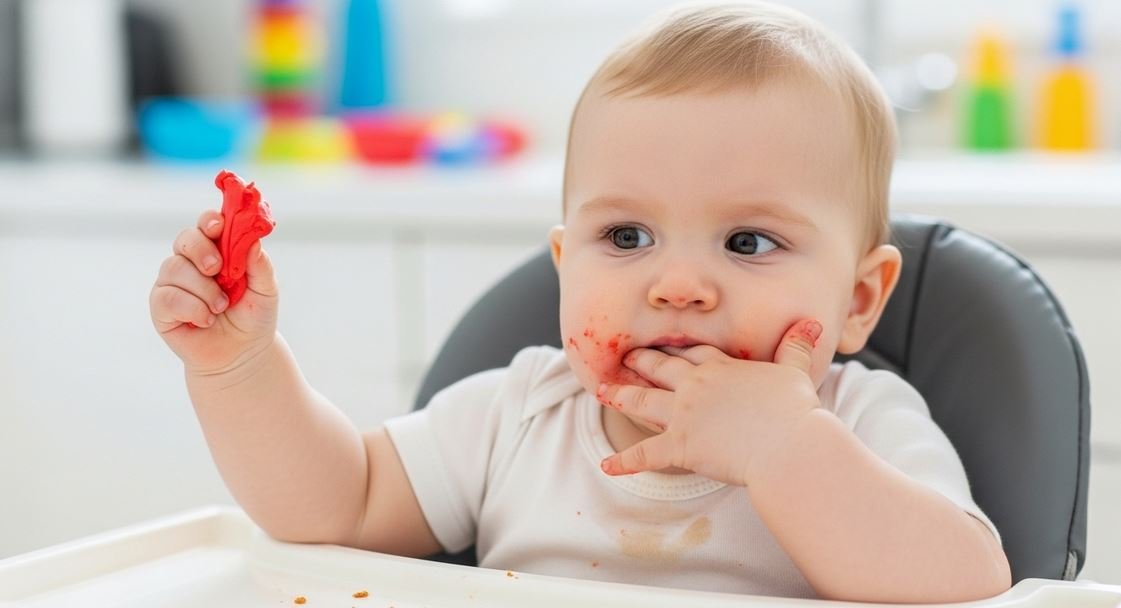
Parents often panic more than the child does.
The main thing to understand is that Play-Doh contains a lot of salt. If a baby eats a large amount, the salt content could irritate their stomach or make them very thirsty. That’s the real concern doctors talk about.
Another minor issue is choking. A big chunk could get stuck in the throat if a baby tries to swallow it whole. That’s rare, but it’s still the first thing you should check.
Also Read: Baby Ate Cat Food
What To Do If Your Baby Ate Play-Doh
When you realize your baby got into Play-Doh, here’s what you should do:
#1 Check Your Baby’s Mouth
Start by gently looking inside your baby’s mouth.
Sometimes pieces of dough stick to the tongue, gums, or cheeks.
If you see chunks, carefully remove them with your finger. Don’t dig around too aggressively just clear anything obvious. The goal is simply to prevent your baby from swallowing a large piece.
Also watch how your baby is acting. If they’re coughing, gagging, or struggling to breathe, that’s a sign something may be stuck and you should act quickly.
Most of the time, though, you’ll just find a little colorful smear and a confused baby making a face because the taste is awful.
#2 Give A Few Sips Of Water
After checking the mouth, offer your baby a small amount of water.
This helps rinse away the salty taste and clears any tiny residue that might still be there.
You don’t need to push a full bottle or cup. Just a few sips are enough.
Some babies happily drink because the salt makes them thirsty. Others refuse it and move on to the next toy in seconds. Both reactions are pretty normal.
Also Read: Toddler Ate Apple Seeds
#3 Watch For Choking Or Gagging
Next, take a minute to watch your baby closely.
If they start coughing hard, gagging repeatedly, drooling excessively, or seem uncomfortable swallowing, a piece could still be stuck. Those signs mean it’s time to get help right away.
In most cases, none of that happens.
The baby simply goes back to playing like nothing happened!
Still, it’s worth paying attention for a few minutes just to be safe.
#4 Stay Calm And Monitor Your Baby For A While
Once you’ve checked everything, the best thing you can do is simply keep an eye on your baby.
There’s no need for panic mode. Just watch how they act over the next couple of hours. If they seem happy, active, and comfortable, that’s a great sign.
Most babies who taste Play-Doh have no symptoms at all. The situation ends with a messy face and a funny story to tell later.
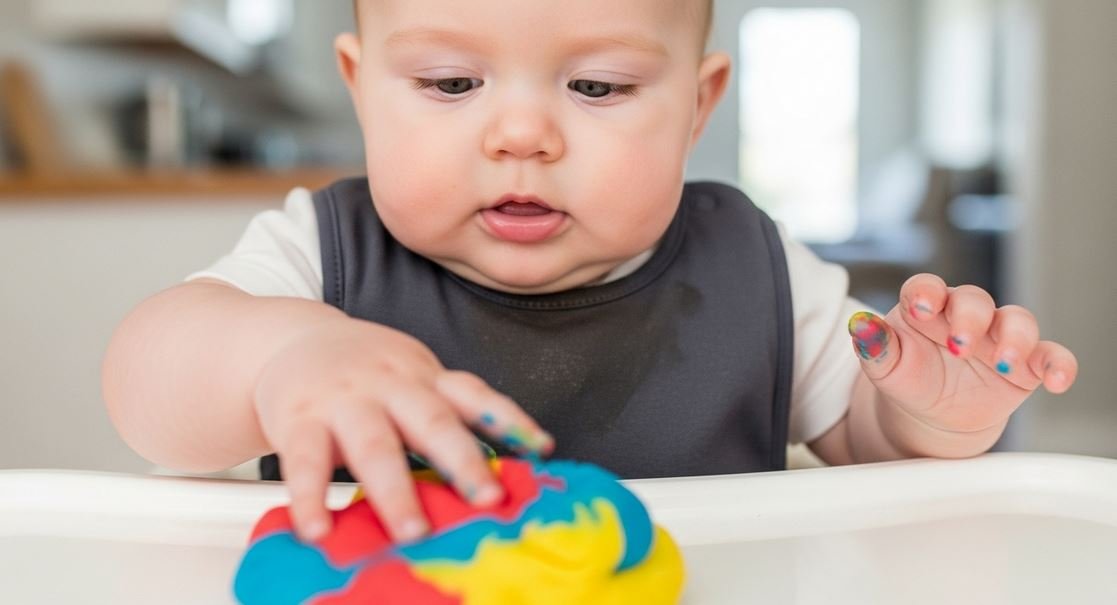
Symptoms To Watch For After Eating Play-Doh
Even though serious problems are rare, it’s still smart to watch for a few possible symptoms. These usually show up only if a baby eats a larger amount.
Some things you might notice include:
Increased thirst
Mild stomach discomfort
Loose stool later in the day
Slight nausea or fussiness
These symptoms are typically caused by the salt content. The body reacts by making the child thirsty or a little uncomfortable for a short time.
In most cases, these issues pass quickly. Your baby drinks some fluids, maybe takes a nap, and everything returns to normal.
However, if you notice repeated vomiting, extreme sleepiness, or unusual behavior, it’s a good idea to call a doctor or poison control for guidance.
Also Read: Baby Ate Styrofoam
How Much Play-Doh Is Considered Too Much?
A tiny bite is very different from eating a large chunk. That’s why the amount matters.
For example, a small taste the size of a pea usually isn’t a concern. Babies often spit it out immediately because the flavor is so strong. In that case, monitoring your baby for a little while is usually enough.
Things change if a child eats a handful or more. That amount could introduce a lot of salt into their system, which might lead to stomach upset or dehydration.
Age also matters. Younger babies, especially under six months old, have smaller bodies and are more sensitive to salt.
If a very young baby eats a noticeable amount, calling a pediatrician for advice is a smart move.
If you’re ever unsure how much your baby actually swallowed, it’s perfectly fine to contact poison control. They handle these questions every day and can quickly tell you if anything else needs to be done.
What Happens If A Baby Swallows Play-Doh?
When a baby swallows a small amount of Play-Doh, the body usually handles it without any trouble.
The dough moves through the digestive system just like other food. Since the ingredients are mostly flour and water, the body breaks it down easily. Eventually it passes through the stomach and intestines and comes out during the next bowel movement.
Sometimes parents worry that the dough might expand or cause a blockage. That’s extremely unlikely with small amounts.
Play-Doh doesn’t behave like those expanding capsule toys you might have seen online.
The bigger concern is still the salt content if a lot is eaten. Too much salt can lead to dehydration or stomach irritation. That’s why drinking water and watching your baby for symptoms is helpful.
But again, in most cases nothing dramatic happens. The baby continues playing, eating, and napping like usual.
How To Prevent It From Happening Again
Once your baby becomes mobile, keeping things out of their mouth feels like a full-time job. Still, a few simple habits can reduce the chances of another Play-Doh snack.
Here are some easy things that help:
Keep Play-Doh stored out of reach after playtime
Only allow it during supervised play
Clean up small pieces from tables and floors
Remind older siblings not to share it with the baby
Older toddlers can enjoy Play-Doh safely with supervision, but babies still see it as a colorful snack. Keeping it off the floor and out of reach makes a big difference.
You might also switch to activities designed for younger babies until they’re old enough to understand that dough is for playing, not eating.
Bottom Line
Finding out your baby ate Play-Doh can definitely cause a moment of panic. It’s one of those situations that feels scary at first, especially if you don’t know what’s inside the dough.
The reassuring news is that small tastes are usually harmless.
Play-Doh is made from simple ingredients, and most babies either spit it out or swallow a tiny bit with no real issues.
Check your baby’s mouth, offer a few sips of water, and watch them for a while. As long as they’re breathing normally, acting like themselves, and not showing concerning symptoms, things are usually fine.
If a large amount was eaten or something doesn’t seem right, calling a doctor or poison control can give you quick guidance and peace of mind.